
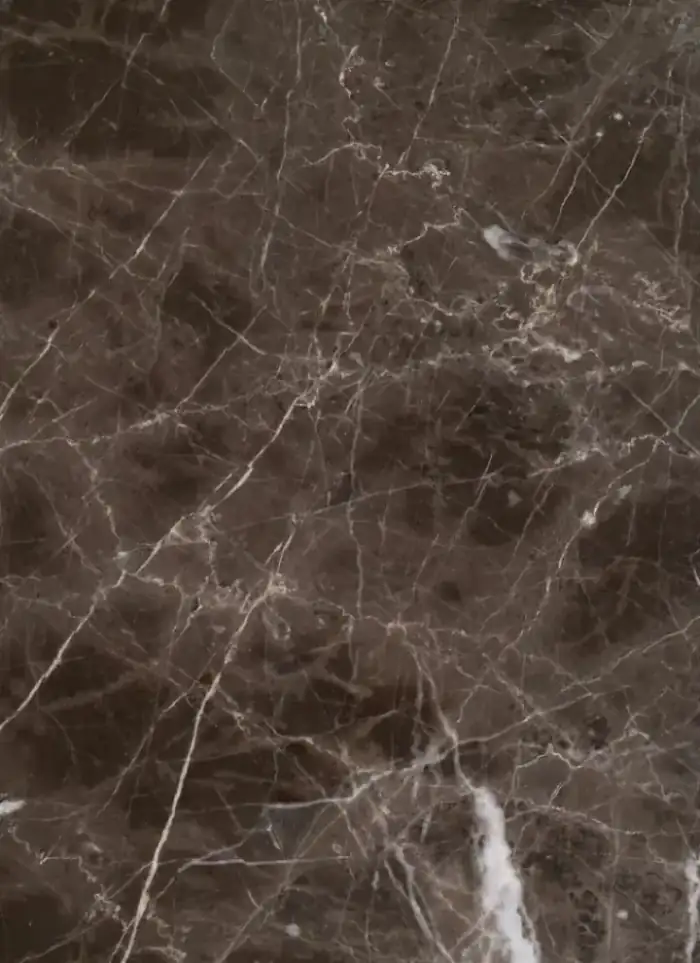
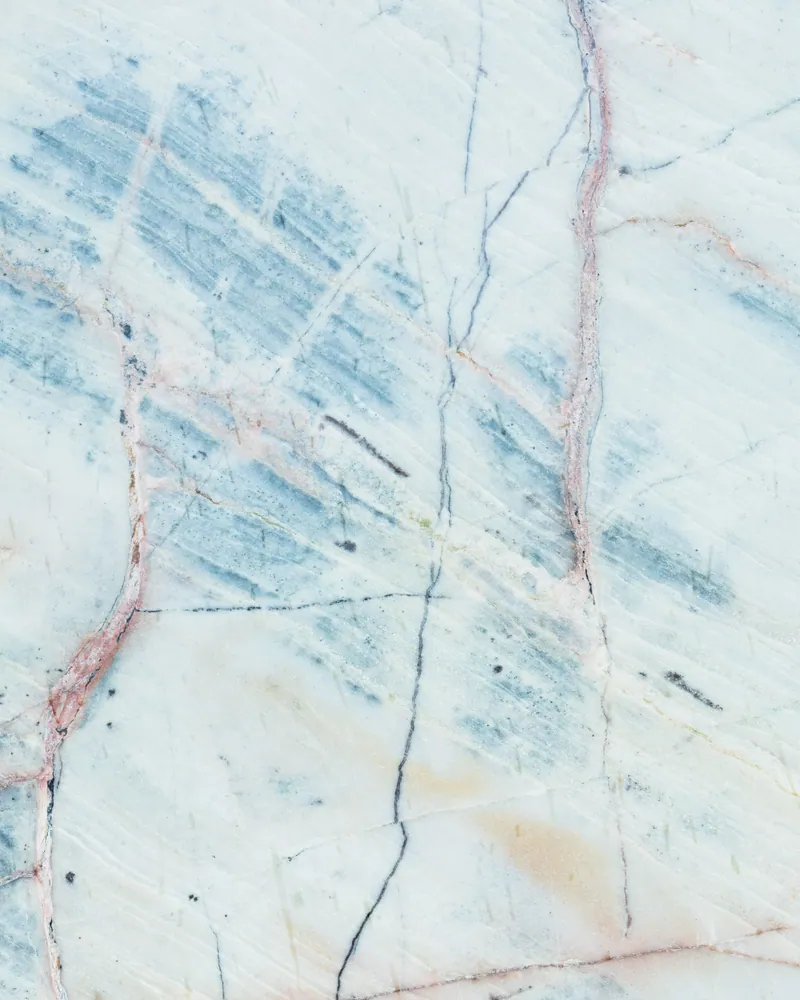
What the service covers
Marble and granite installed across every interior and exterior position in your building

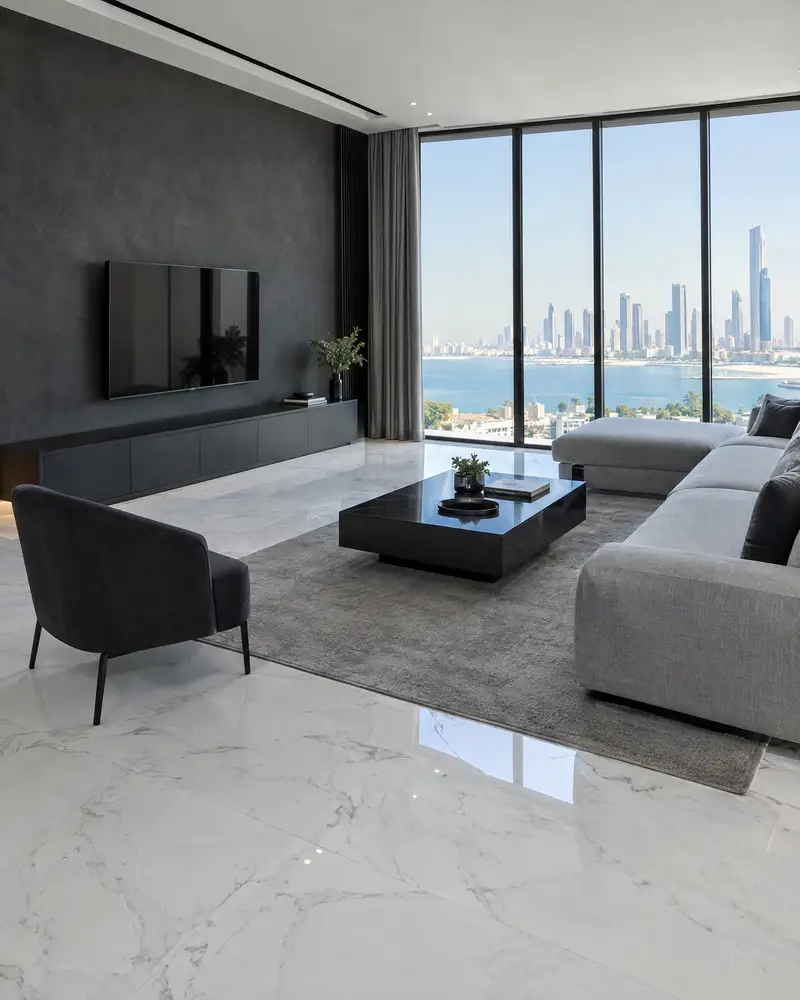
Marble flooring
Cut and laid with tight levelling and consistent joint spacing throughout

Stair marble
Steps and risers in marble with bevelled edges and slip-resistant nosings
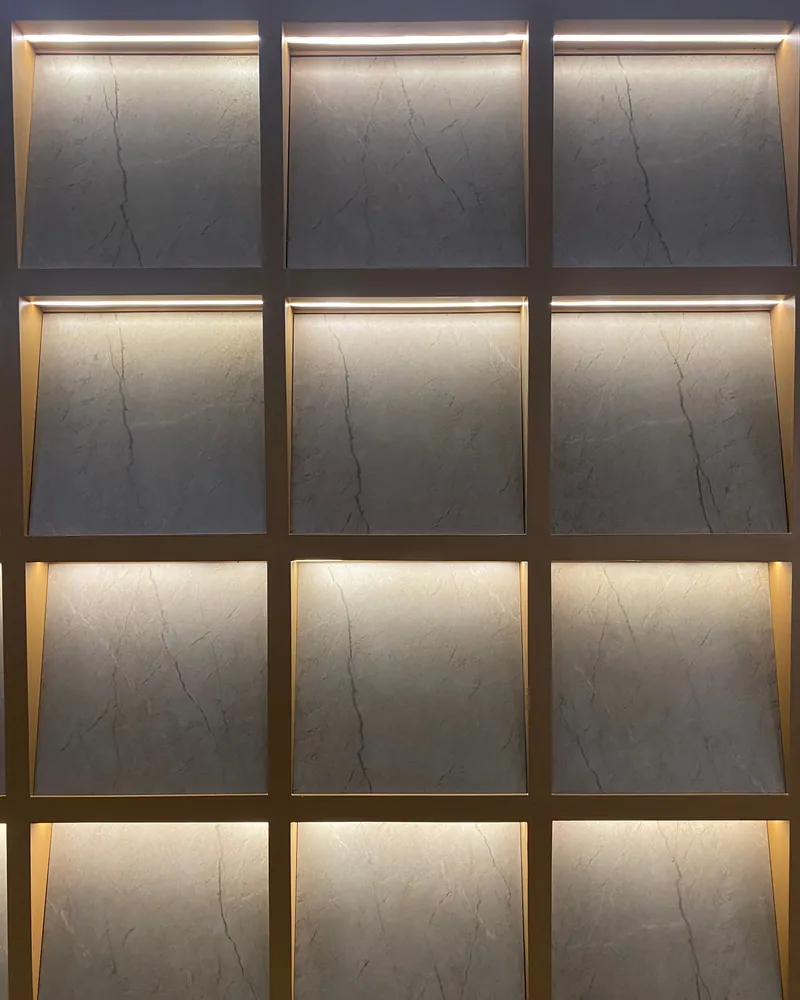
Marble wall cladding
Wall panels fixed mechanically or with adhesive mortar to prevent slip

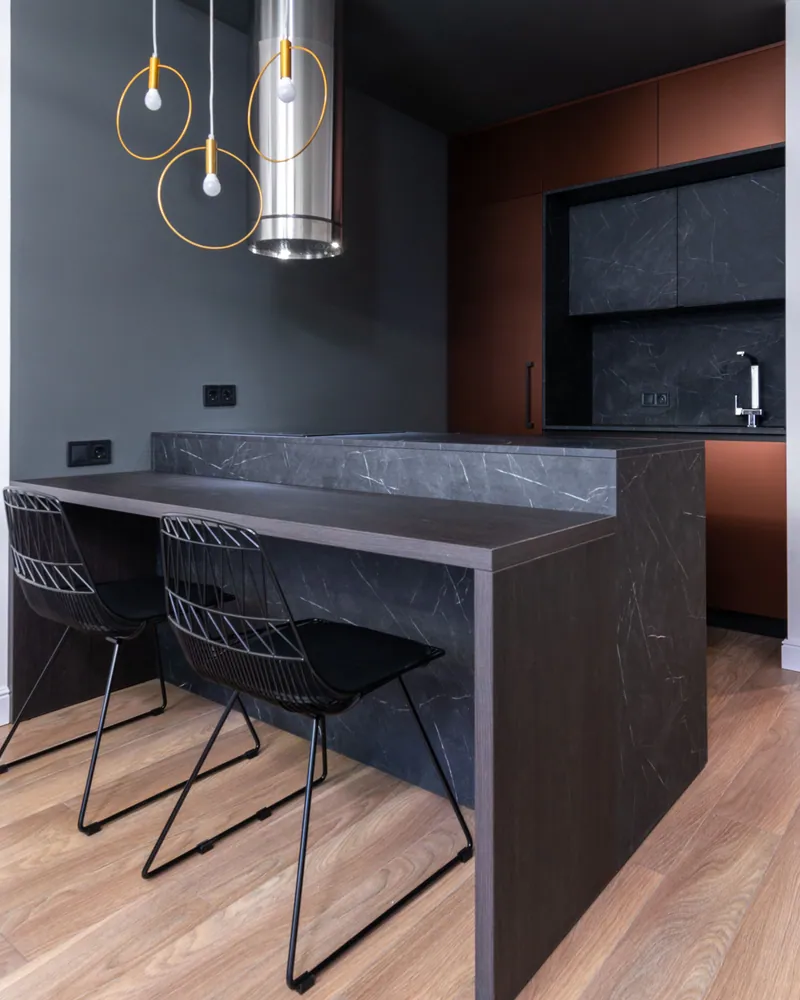
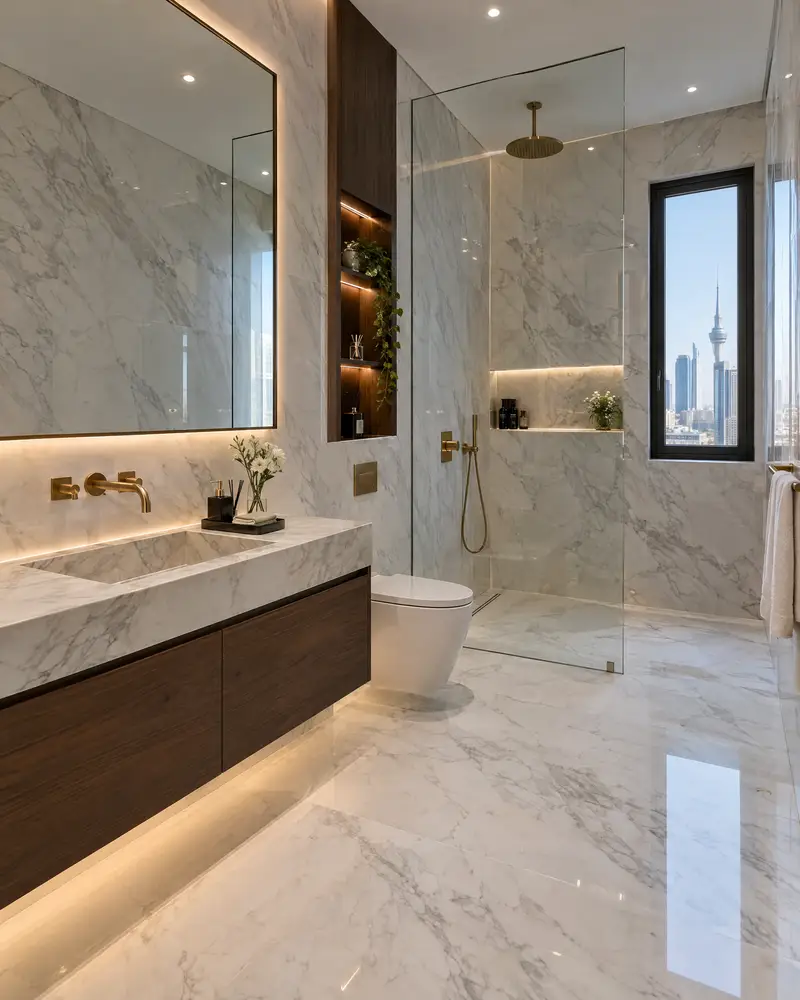
Kitchen and bathroom marble
Worktops, basins, niches and shower walls cut to exact site dimensions

Marble facades
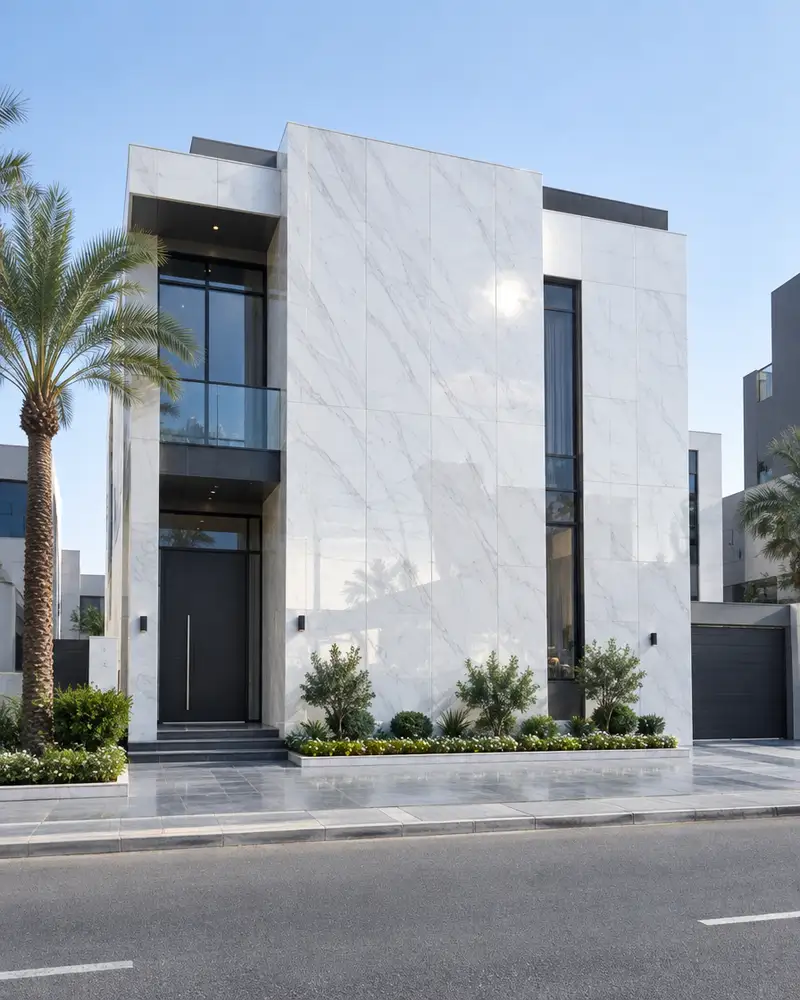
Exterior cladding with mechanical anchors rated for wind and thermal load

Polishing and corian
Restoration polishing for worn marble and Corian fitting for worktops
Mistakes that damage marble work
Incomplete mortar bed
Voids beneath the slab concentrate load and crack the marble under foot
No expansion joints
Kuwait's heat cycles cause slab edges to ridge and grout lines to fracture
Uncoated anchors on facades
Non-galvanised fixings corrode behind the stone and crack the cladding outward
Polishing before curing
Grinding a slab before the adhesive cures loosens the bond and voids the joint
Before you call us
Know your actual area
Measure each space carefully because marble is quoted strictly per square metre
Decide on the stone type
White imported marble, granite and Corian carry different costs and maintenance needs
Check the existing surface
Confirm whether old marble needs removal or whether polishing alone is sufficient
Identify mechanical fixing zones
Facades and tall walls need anchor drilling that differs from standard floor laying
Inside marble & granite.


How marble work is done right in Kuwait
Proper marble installation begins with a prepared substrate: the concrete base is ground flat, checked for hollow spots and cleared of loose material. In bathrooms and kitchen worktop areas, a waterproofing layer is applied before any stone goes down. Marble is then cut on a wet-blade saw to the exact dimensions taken on site, because a poor cut shows in every joint and cannot be hidden by grout.
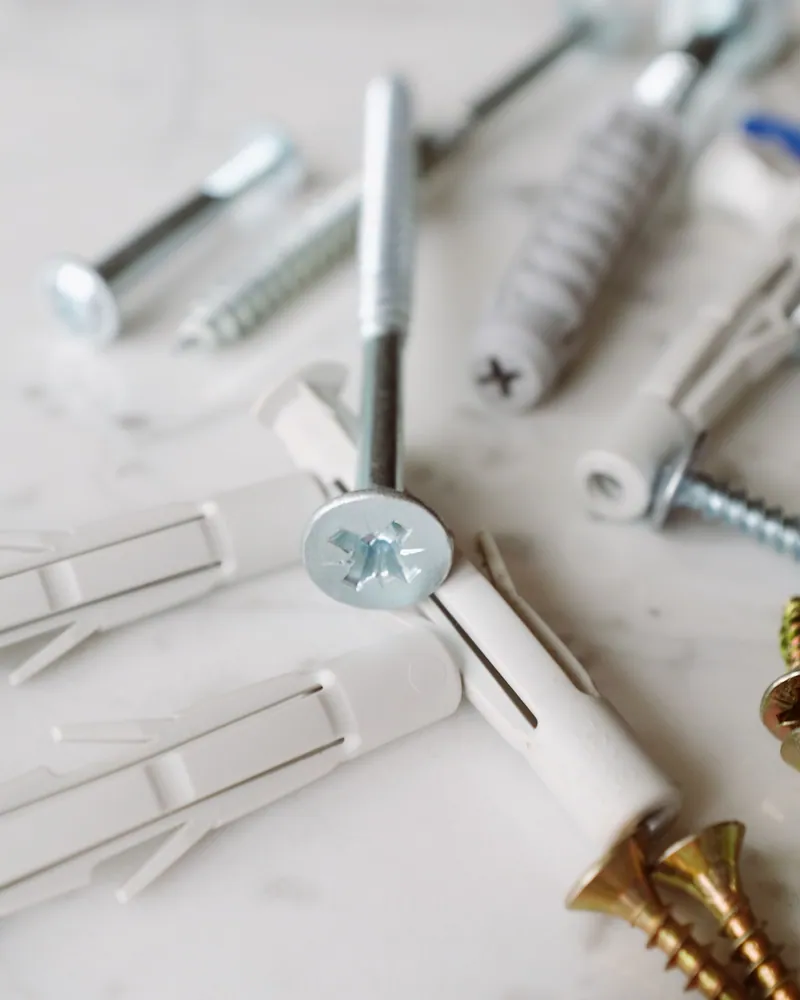
For walls and facades, the key choice is whether adhesive mortar alone is sufficient or whether mechanical anchors are needed. Kuwait's thermal swings weaken adhesive-only bonds on tall exterior panels over time, so galvanised or stainless anchors set into the backing structure are the correct approach for facades. Kitchen worktops, marble basins and window sills are cut to profile with polished or bevelled edges to match the surrounding finish.
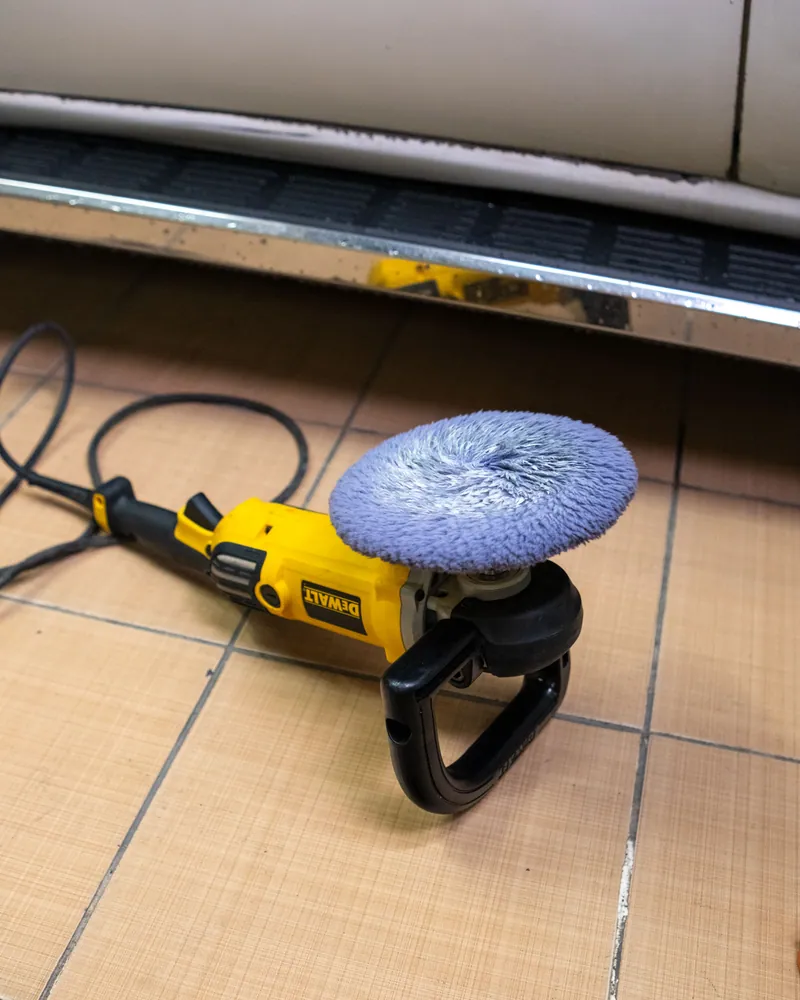
Marble polishing follows a fixed sequence: coarse grinding removes scratches and lippage, progressively finer pads smooth the surface, and a chemical crystalliser or resin finish restores the shine suited to that particular stone type. Porous stones such as travertine need their voids filled before polishing begins, otherwise the abrasive opens the pores further. A final sealant coat slows stain absorption and preserves the gloss, and this process requires different equipment and expertise from porcelain polishing.
What goes wrong with most finishing.
The finish is what you see every day, and its mistakes do not hide. These three are the most common.
 01
01A rushed finish
The finish is what you live with every day. Rushing it shows in every corner.
 02
02Four contractors for one finish
Tiling, gypsum, paint and aluminium crews who never talk to each other.
 03
03After-care that never comes
Once you have the keys, it is hard to find anyone to come back and fix what shows up.
The solution?
Full finishing, and maintenance after it, from one licensed company.
A rushed finishTurnkey finishing
Marble, tiling, gypsum and paint from one company.

Four contractors for one finishOne company for every trade
No gaps between the tiler, the gypsum crew and the painter.
After-care that never comesRegular maintenance after handover
And finishing on instalments if you need it.
How it works.
First contact
Call or WhatsApp us describing the location and marble work needed
Site visit and measure
Our team visits to measure surfaces and assess substrate condition
Stone selection
We present stone samples so you confirm type, colour and finish
Preparation and fixing
Base levelled, stone cut on site then laid and checked for level
Polishing and handover
Surface polished, joints cleaned and work handed over for inspection
What sets the price.
Stone type, surface area and fixing method together shape every quote we give
Get a quoteStone type and grade
Imported marble, local granite and Corian each carry different material costs
Total surface area
Combined floor, wall and facade area sets stone quantity and labour volume
Fixing method
Mechanical anchor systems cost more than adhesive mortar installation alone
Removal of existing work
Breaking out and removing old marble or tile adds cost and site clearance time
Custom cutting and profiling
Basins, stair nosings and profiled edges require additional precision cutting work
Why one contractor beats four.
Every extra contractor means another schedule and another excuse. With us, one company answers for all of it.
Turnkey
Shell and finishing with one company, from footings to keys.
Pay in instalments
Construction and finishing on instalments. Ask us for the details.
Engineering supervision
Architectural drawings and engineering supervision on site.
After handover
Maintenance contracts and a 24-hour emergency plumber.
A licensed Kuwaiti company for building construction, finishing, renovation and infrastructure works.
What our clients say.
See all reviews on GoogleExcellent
Taha Saad
Google review
Excellent
Ali Nadi
Google review
Marble & granite in Kuwait. We work across all six governorates of Kuwait: Capital, Hawalli, Farwaniya, Mubarak Al-Kabeer, Ahmadi, Jahra.
Official references: Kuwait Fire Force (safety requirements in finishing work)
Questions, answered.
Call nowCan new marble be laid directly over existing marble without removing it?
It is possible if the existing stone is fully bonded, flat and crack-free, but the added height affects door clearances and thresholds. We tap-test the old surface first to confirm it before committing to overlay rather than removal.
Why do grout joints between marble slabs crack after a short time?
The most common cause is missing expansion joints. Kuwait's heat causes the stone to expand, and without adequate relief joints the grout cracks or slabs ridge. Using a flexible joint filler instead of rigid cementitious grout in movement zones also reduces this problem.
Does polishing fully restore scratched marble to its original condition?
Polishing removes surface scratches and restores gloss in most cases. Deep cuts that penetrate the stone body need coarser grinding first. Marble etched by acid cleaners may recover partially but colour alteration in the stone itself cannot always be reversed by polishing alone.
What is the practical difference between mechanical marble fixing and adhesive mortar fixing?
Adhesive mortar is suitable for floors and low interior walls. Exterior facades and tall wall panels require mechanical anchors drilled into the backing structure, because they must carry wind load and thermal movement that adhesive alone cannot reliably handle over time.
Does a corian surface need different maintenance from natural marble?
Corian is non-porous and does not need sealing the way natural marble does. Light surface scratches can be sanded out with fine abrasive without chemical crystallisers, making routine maintenance simpler, though it is not heat-proof and hot pots placed directly on it will leave permanent marks.
Can marble cladding be added to the exterior facade of an existing building?
Yes, but the existing wall must be assessed first for structural soundness and load capacity. A galvanised sub-frame is anchored to the wall and the marble panels are then hung on concealed fixings, keeping the stone clear of direct contact with the substrate to allow thermal movement.

Licensed and registered in Kuwait.
Check us before you sign. This is our licence number and what it covers.
Find us on Google Maps