
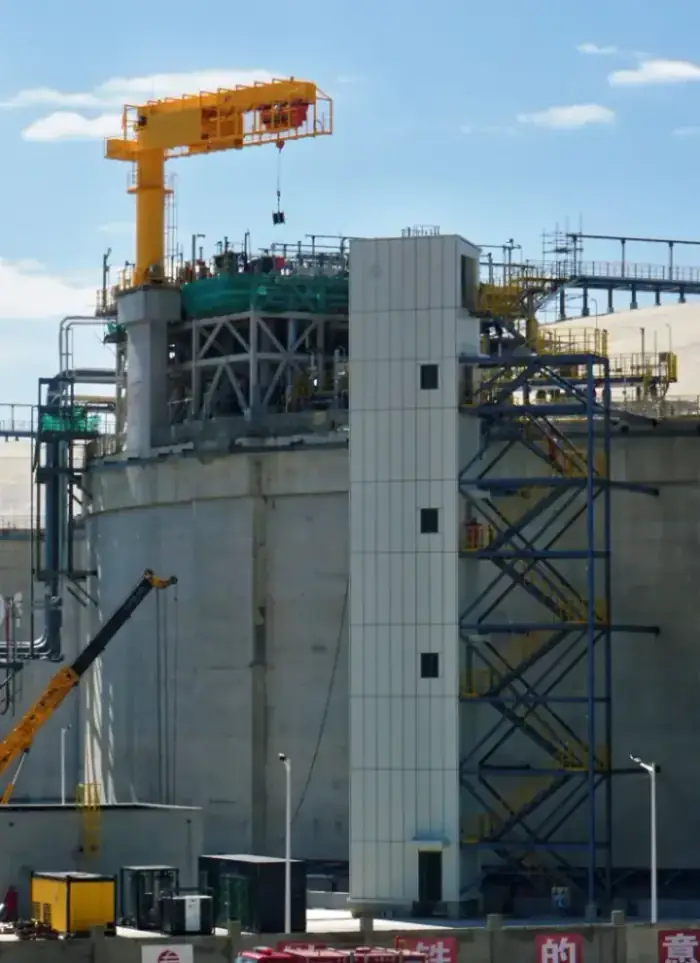
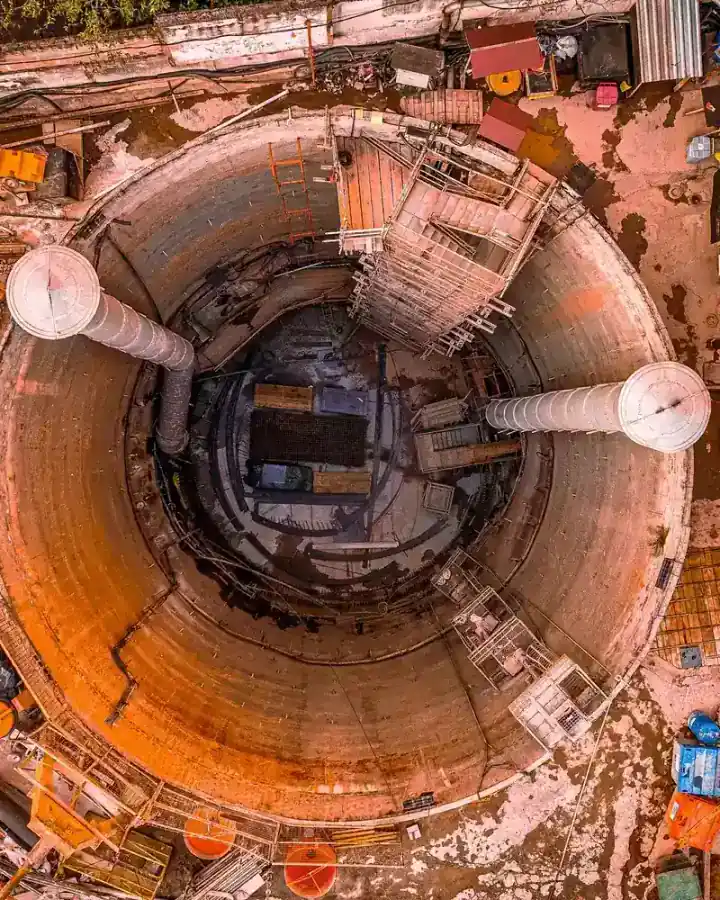
What the work covers
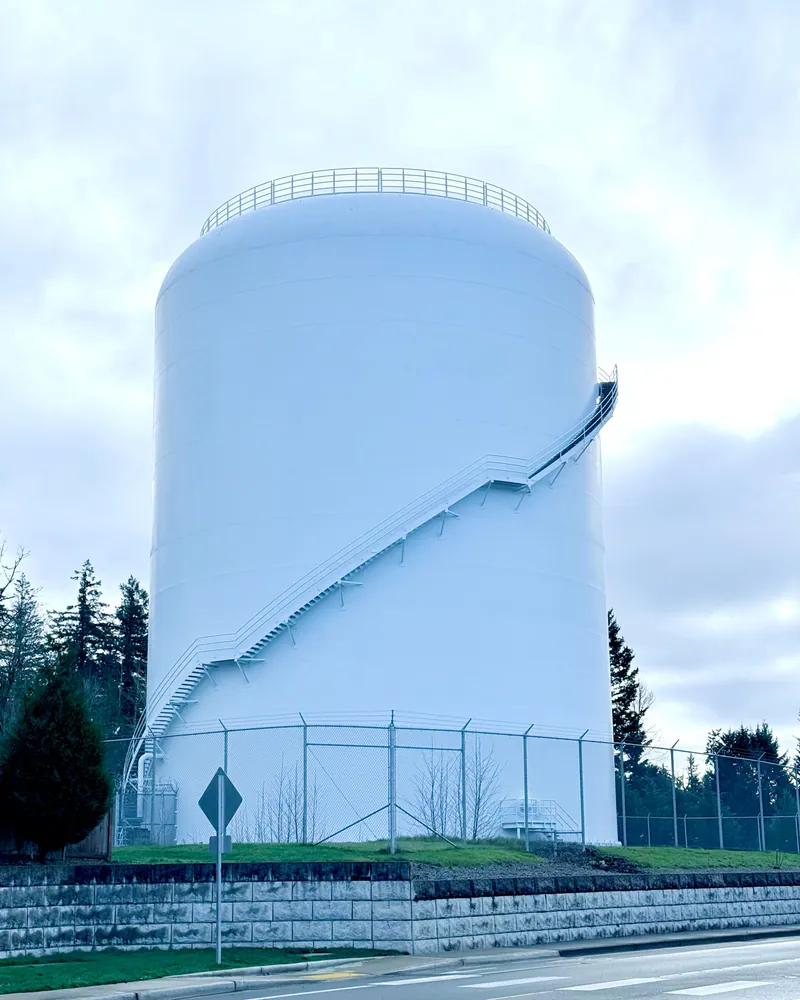
Full execution from excavation to a tank ready for filling and pump connection

Excavation and base prep
Precise dig dimensions and a level blinding concrete base layer
Reinforced concrete shell
Walls, floor and roof poured in sulphate-resistant reinforced concrete

Floor slope to sump
Calculated slope toward the drain point for full drainage during cleaning
Interior and exterior waterproofing
External membrane layer plus food-grade internal coating for drinking water
Access hatch and cover
Sealed access hatch that blocks soil, insects and surface water entry

Pipe connection and testing
Supply and drainage pipe tie-ins with a pressure test before backfilling
Materials and methods used
Sulphate-resistant concrete
Kuwait soil contains sulphates that attack ordinary concrete, so sulphate-resistant cement protects walls long-term
Coated or galvanised rebar
Constant ground moisture accelerates plain rebar rust, so treated rebar resists corrosion inside the buried structure
External waterproof membrane
Bonded or torch-applied to the outer concrete face to block ground moisture migrating inward through the wall
Cementitious interior coating
Pore-sealing layer maintains stored water purity and releases no harmful substances into drinking water
Mistakes that compromise buried tanks
Backfilling before pressure testing
Burying the tank before a water-tightness test hides leaks that become very costly to fix later
Flat floor with no slope
A level floor traps sediment in corners and prevents complete draining during cleaning
Skipping the outer membrane
Interior coating alone lets damp soil pressure drive salts and moisture through the concrete wall over time
Unsealed access opening
A loose lid without a gasket lets soil, insects and rainwater contaminate the stored supply
More in tank waterproofing & cleaning.
What goes wrong with most plumbing.
Plumbing problems start hidden and end with breaking tiles. These three cost the most.
 01
01Pipes laid in a rush
Pipework rushed before the walls close stays hidden until it starts to leak.
 02
02Leaks you cannot see
A slow leak behind tiles shows up as damp, stains and a higher water bill.
 03
03Nobody answers in an emergency
A burst pipe at night cannot wait for a contractor who has moved on.
The solution?
Pipework, leak detection and maintenance from one licensed company.
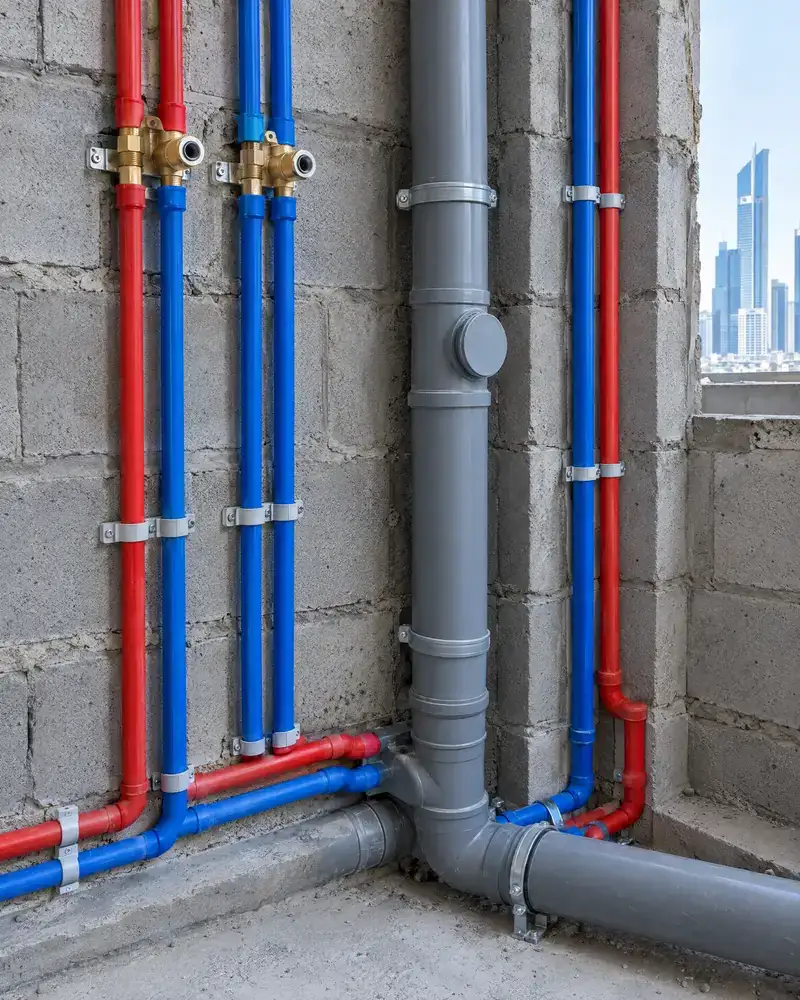
Pipes laid in a rushFirst-fix plumbing by the builder
Laid as part of the build, before the walls close.
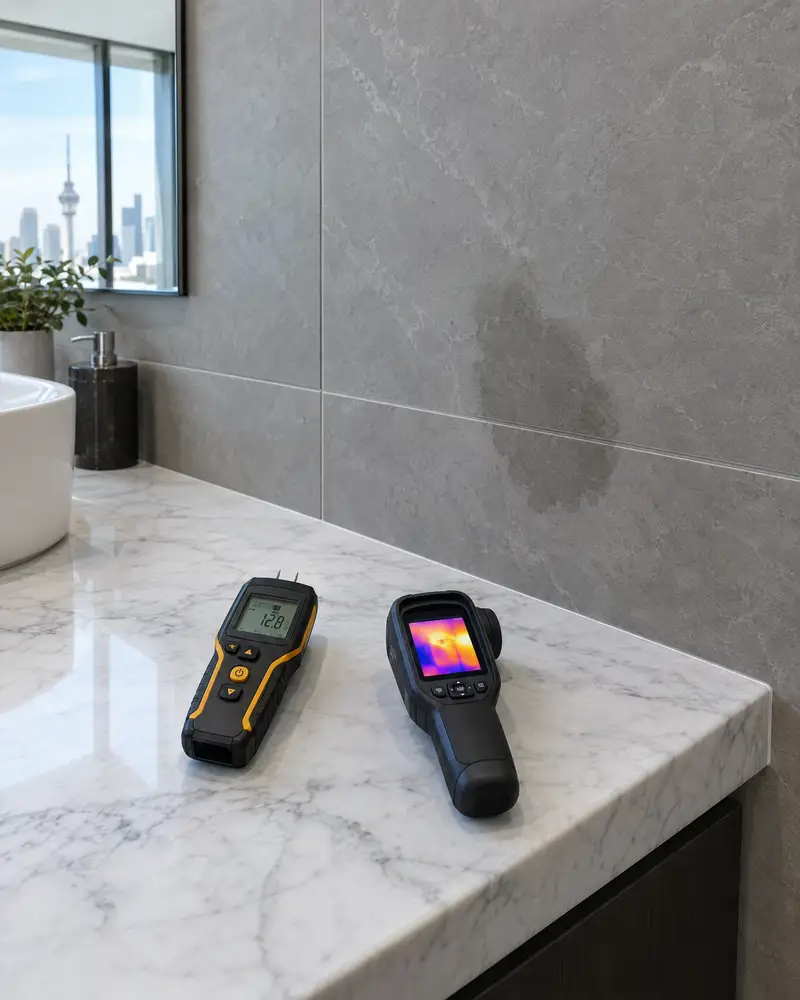
Leaks you cannot seeWater leak detection
We find the source first.
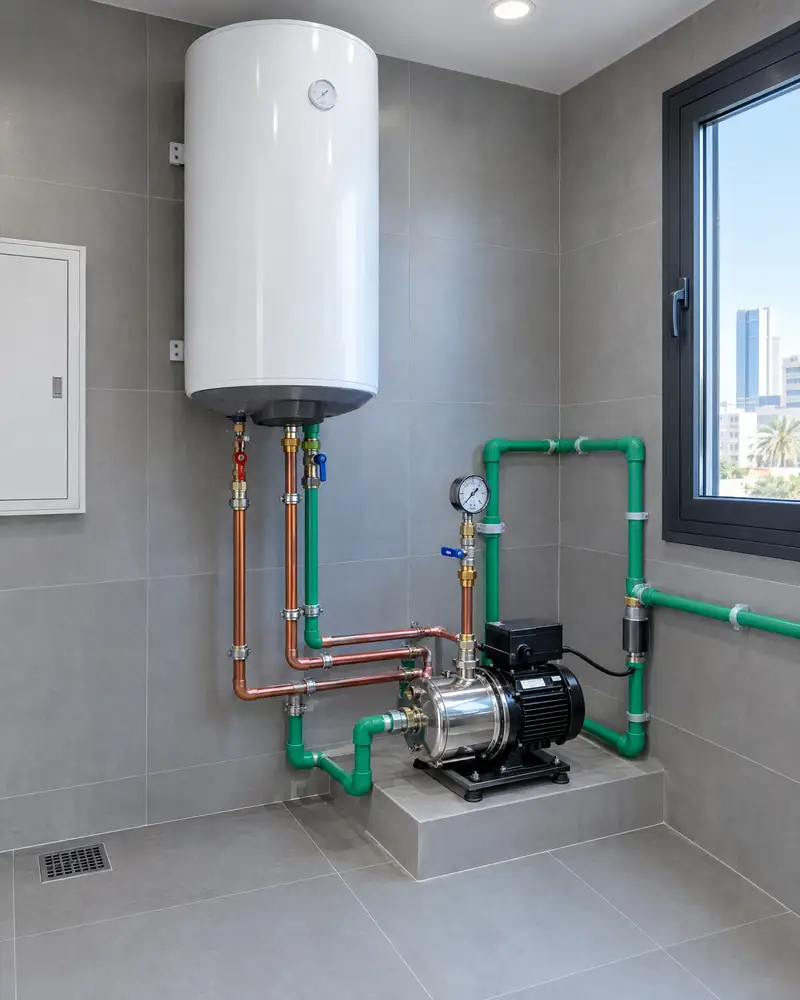
Nobody answers in an emergency24-hour emergency plumber
Plus regular maintenance contracts after handover.
How it works.
Call or whatsApp
Describe your site location and basic tank requirements to our team
Site visit
We visit to measure, assess soil type and check equipment access
Quote and design
Detailed quote covering dimensions, materials and waterproofing specification
Excavation and construction
Dig, pour reinforced concrete, apply external membrane and interior coating
Testing and handover
Water-tightness test, backfill, pipe connections and formal handover
What sets the price.
Quote figures depend on site conditions and specifications that only a physical visit can confirm
Get a quoteTank capacity
Total volume sets the concrete, rebar quantity and labour hours required
Excavation depth
Deeper excavations need shoring, heavier machinery and more backfill material
Soil type and hardness
Rocky or dense clay soil increases excavation time and equipment costs significantly
Waterproofing specification
Single-layer versus dual interior and exterior system directly affects the final price
Equipment site access
Narrow entry or existing obstructions may require specialist machinery or extra manual labour
Why one contractor beats four.
Every extra contractor means another schedule and another excuse. With us, one company answers for all of it.
Turnkey
Shell and finishing with one company, from footings to keys.
Pay in instalments
Construction and finishing on instalments. Ask us for the details.
Engineering supervision
Architectural drawings and engineering supervision on site.
After handover
Maintenance contracts and a 24-hour emergency plumber.
A licensed Kuwaiti company for building construction, finishing, renovation and infrastructure works.
What our clients say.
See all reviews on GoogleExcellent
Taha Saad
Google review
Excellent
Ali Nadi
Google review
Underground tank construction in Kuwait. We work across all six governorates of Kuwait: Capital, Hawalli, Farwaniya, Mubarak Al-Kabeer, Ahmadi, Jahra.
Official references: Ministry of Electricity and Water (water and drainage connections)
Questions, answered.
Call nowWhat is the difference between a cast-in-place underground tank and a prefabricated one?
A cast-in-place tank is sized and specified for the actual site conditions, which suits Kuwait's sulphate-rich soil well. A prefabricated unit installs faster but comes in fixed sizes and its joints can become leak points if not sealed correctly.
Can an underground tank be built where the water table is high?
Yes, but it requires a heavier base slab to resist uplift and an external waterproofing system rated for hydrostatic pressure. Our engineers determine the exact specification after measuring the water table level on site.
What capacity is suitable for an underground tank serving a Kuwaiti villa?
Capacity depends on the number of occupants, villa size and whether the tank also supplies irrigation. Our team helps size the tank correctly during the site visit based on your actual consumption pattern.
How do I know whether an old underground tank needs full replacement rather than repair?
Deep structural cracks, concrete spalling or visible rebar corrosion make full replacement the safer and more economical choice. Surface cracks and minor seepage are typically resolved with repair and waterproofing without demolition.
Does an underground water tank need ventilation?
Yes, a screened vent prevents negative pressure that would impair pump draw and also stops anaerobic bacteria from thriving in trapped air inside a completely sealed tank.
Licensed and registered in Kuwait.
Check us before you sign. This is our licence number and what it covers.
Find us on Google Maps