
Tank services we carry out
covering interior cleaning, lining, structural repair and full restoration for every tank type
Water tank cleaning
Removing sediment, algae and biofilm then disinfecting the interior

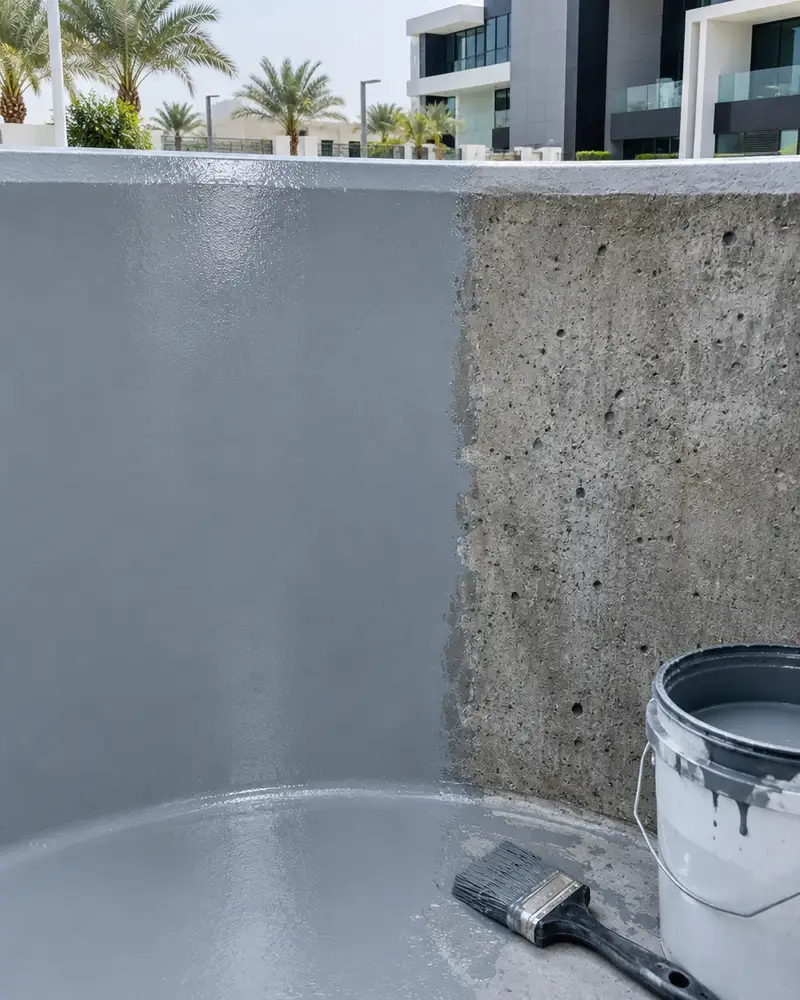
Epoxy tank lining
Food-grade epoxy coat seals concrete and stops contaminants reaching the water

Tank waterproofing
Internal and external waterproof treatment stopping seepage and protecting the slab

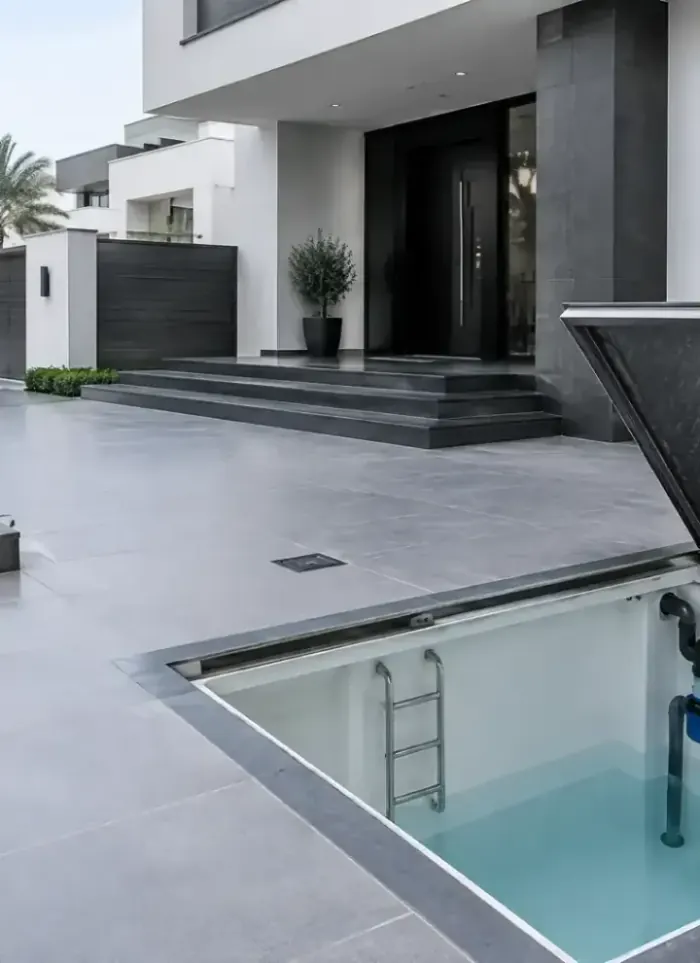
Underground tank construction
New reinforced concrete underground tanks built with integral waterproof treatment

Water tank restoration
Crack injection, wall repair and full reinstatement of deteriorated tank structures

Fibreglass tank repair
Patching and reinforcing cracked or degraded fibreglass tank walls and bases
Signs your tank needs attention now
Odour or discoloured water
Water arriving at taps with a musty smell or yellowish tint points directly to tank contamination
Damp soil or walls near the tank
Persistent wet patches in soil or on adjacent walls reveal slow leakage from the tank structure
Unexplained drop in water level
A tank emptying faster than normal despite regular refills suggests a hidden wall or floor crack
White scale or green growth inside
Mineral scale or algae coating the tank walls contaminates water and blocks pump inlets over time
Mistakes that damage tanks and water quality
Lining over a wet surface
Applying epoxy to damp concrete causes the coat to peel and leaks to return within weeks
Cleaning without disinfection
Scrubbing without a chlorine flush leaves bacteria and algae spores that recolonise the tank quickly
Leaving the lid or vents unsealed
A loose roof tank lid lets insects and dust enter, making any recent cleaning effort pointless
Skipping the pump check after work
Restarting the transfer pump without inspection after cleaning pushes old sediment back into the clean tank
Inside tank waterproofing & cleaning.
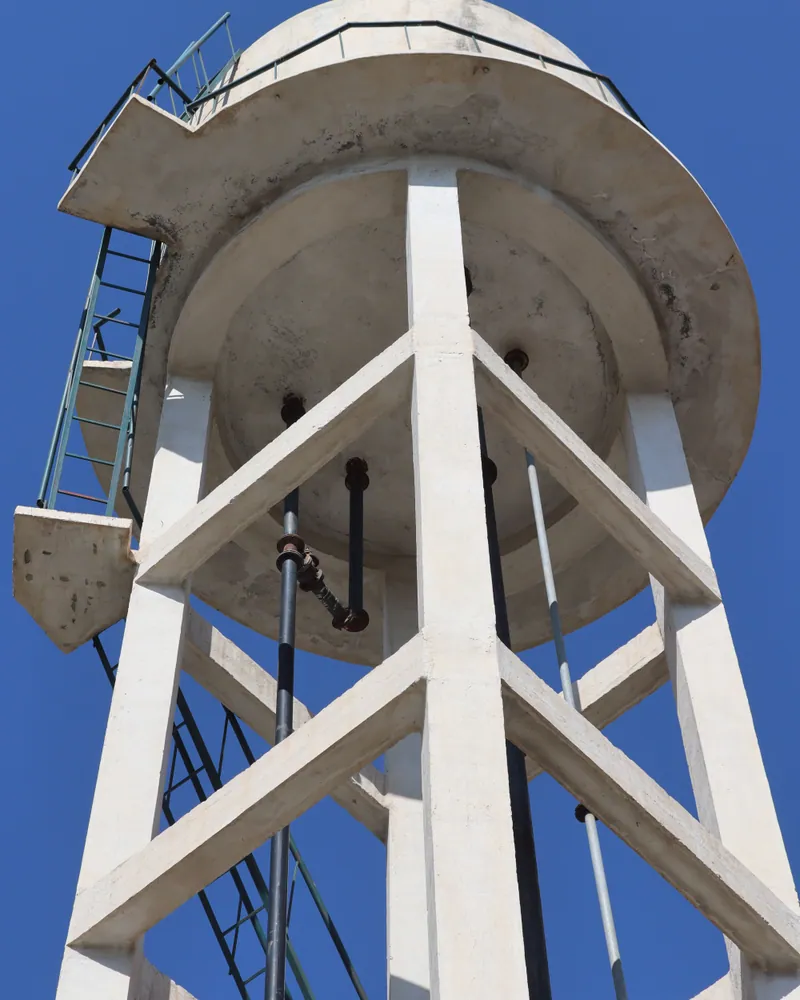
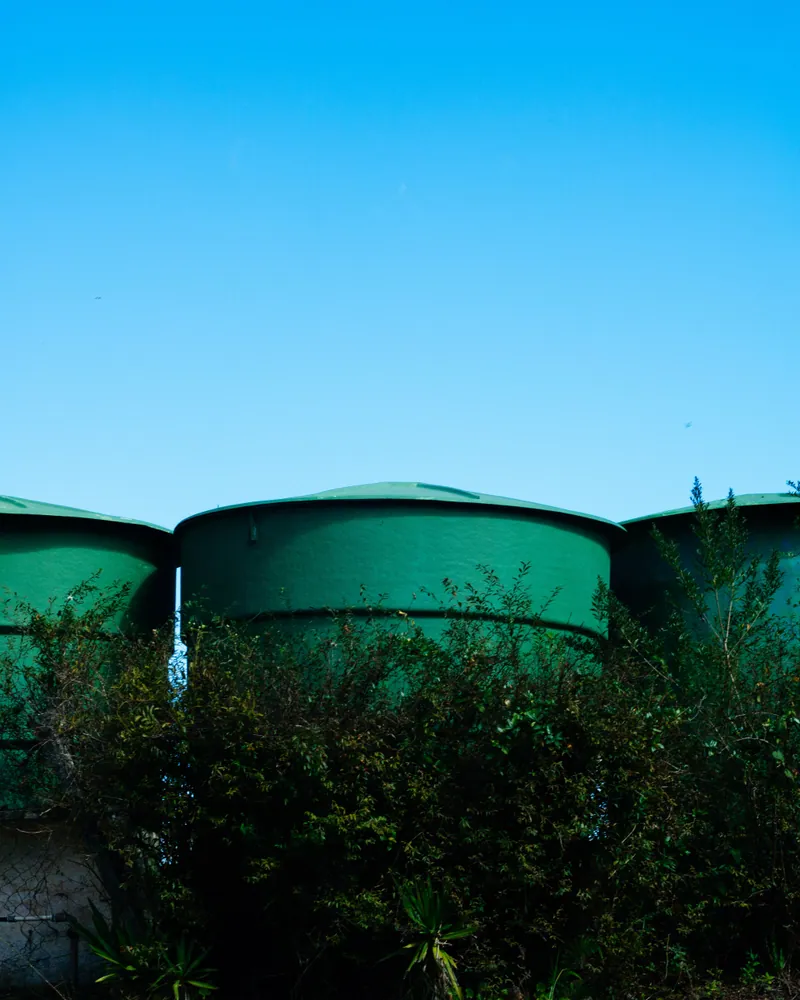
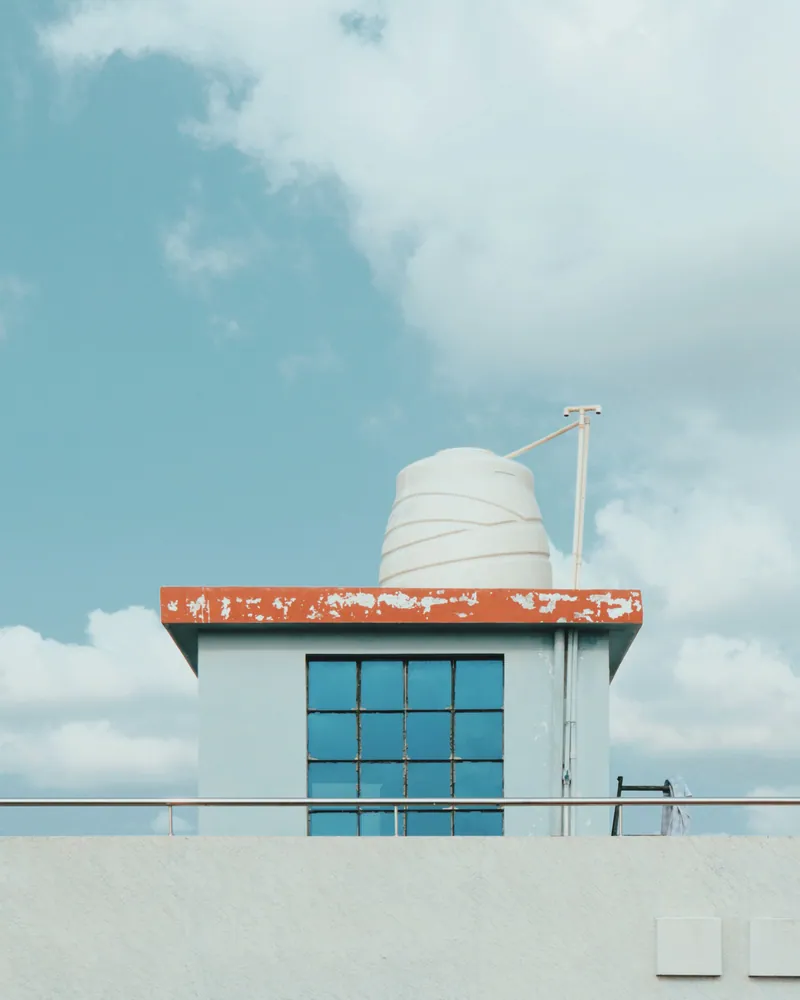
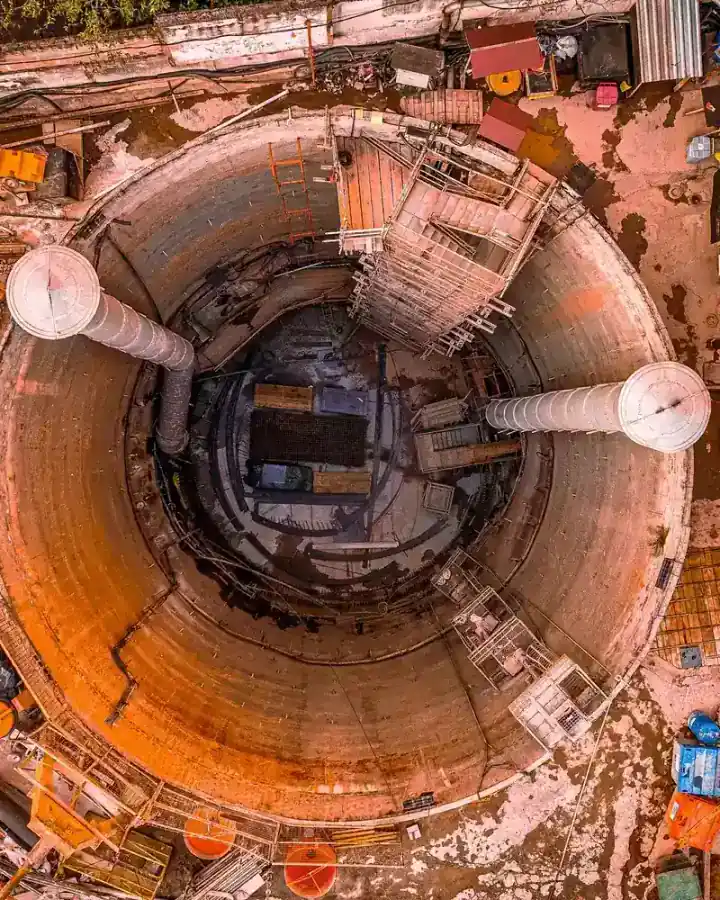
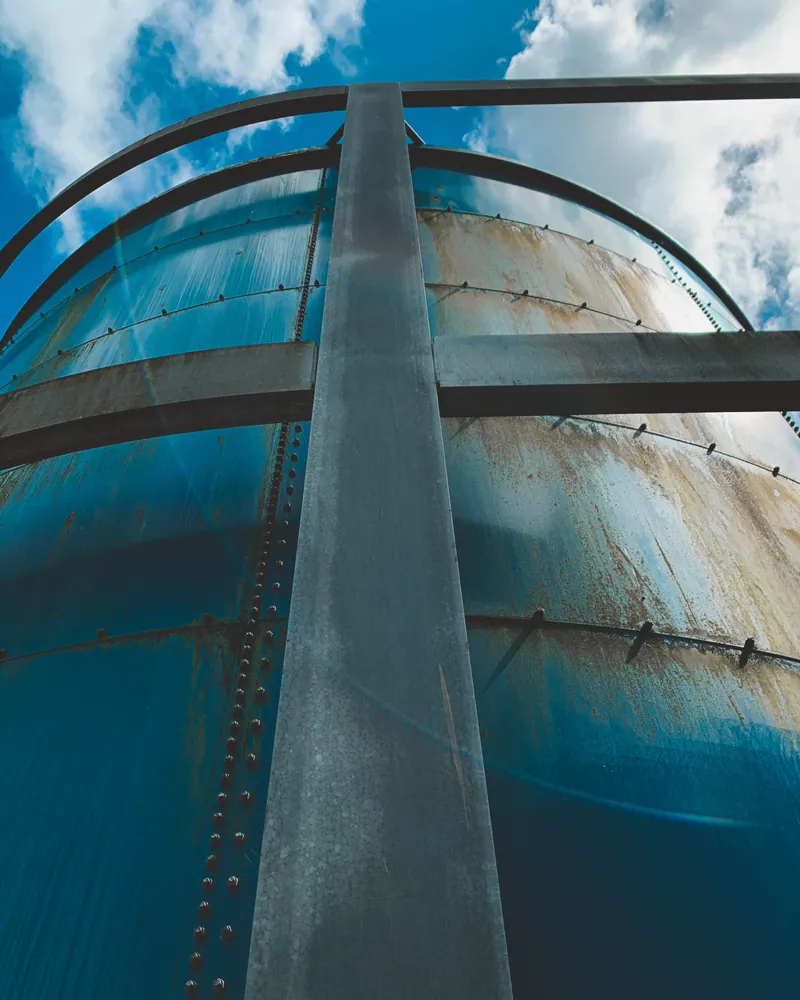
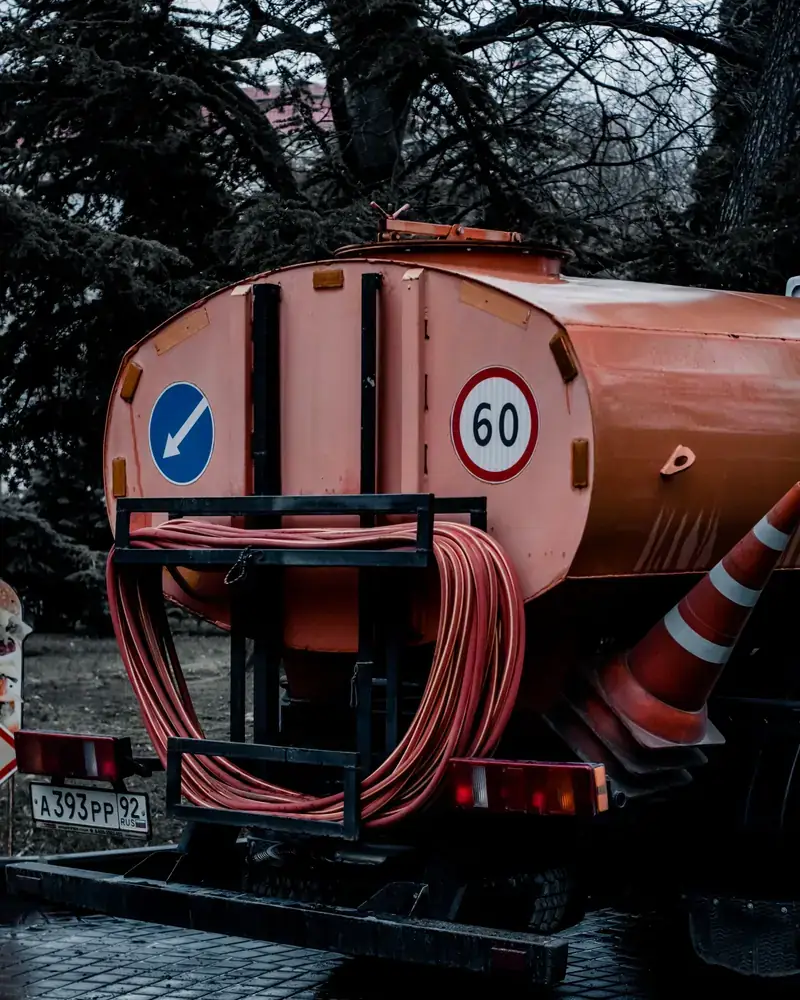
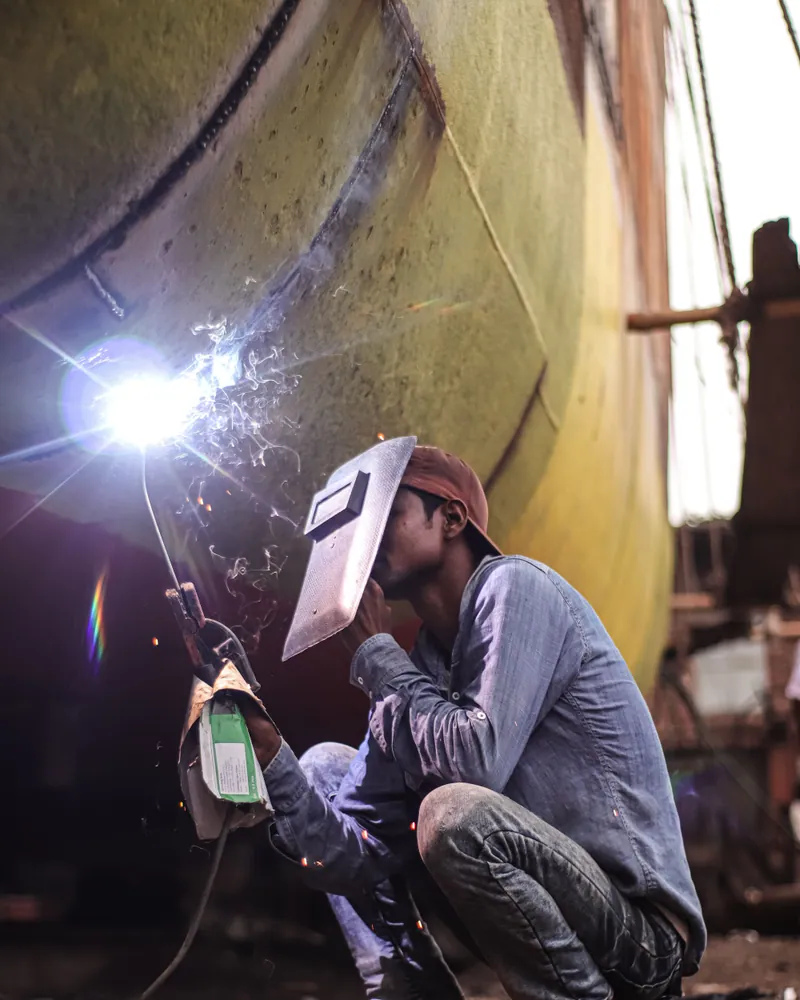
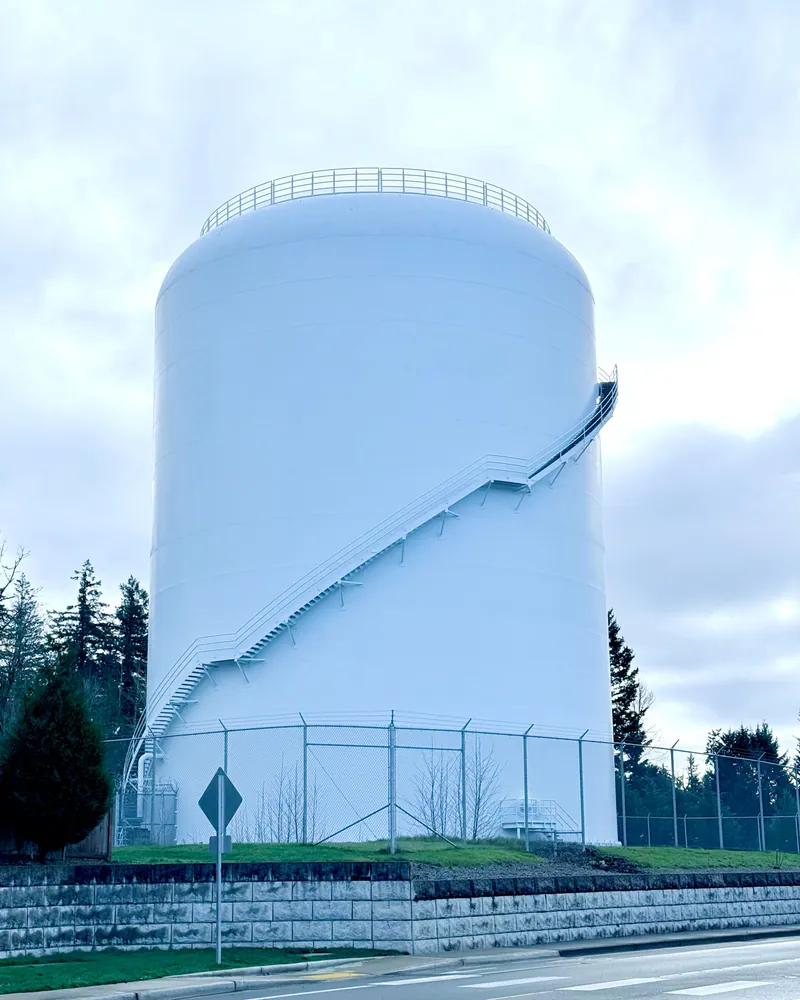
How tank waterproofing and cleaning is done right
Work begins by isolating the tank from the building network and draining it completely before any crew enters. The interior shell is inspected for hairline cracks, mortar erosion and any flaking from previous coatings. Hard deposits and biological layers are removed by scraping and high-pressure washing, and the tank is disinfected before the next step begins. In Kuwait, the combination of hard mineral-laden water and warm ambient temperatures accelerates mortar breakdown inside concrete tanks, so surface repair must come before any waterproofing coat is applied.
Once the surface is fully dry, the appropriate treatment is chosen. Concrete tanks benefit from food-grade epoxy lining, which closes surface pores, resists chlorine and tolerates repeated cleaning. Cracked fibreglass tanks require specialist patch lamination followed by a protective topcoat. Underground tanks subject to high external groundwater pressure need an exterior crystalline or cementitious layer to stop inward moisture migration. Full cure time between each applied coat is a technical requirement that cannot be shortened without causing delamination and repeat failure.
Before refilling, access hatches, lids, inlet and outlet pipe connections are checked for proper sealing and sound joints. The transfer pump is tested and line filters are cleaned. The tank is partially filled and monitored for several hours to catch any new seepage before the full network is restored. Taken together, these stages deliver a tank that is structurally sound, protected against leakage and sealed against external contamination, safeguarding the drinking water quality for every fixture in the building.
What goes wrong with most plumbing.
Plumbing problems start hidden and end with breaking tiles. These three cost the most.
 01
01Pipes laid in a rush
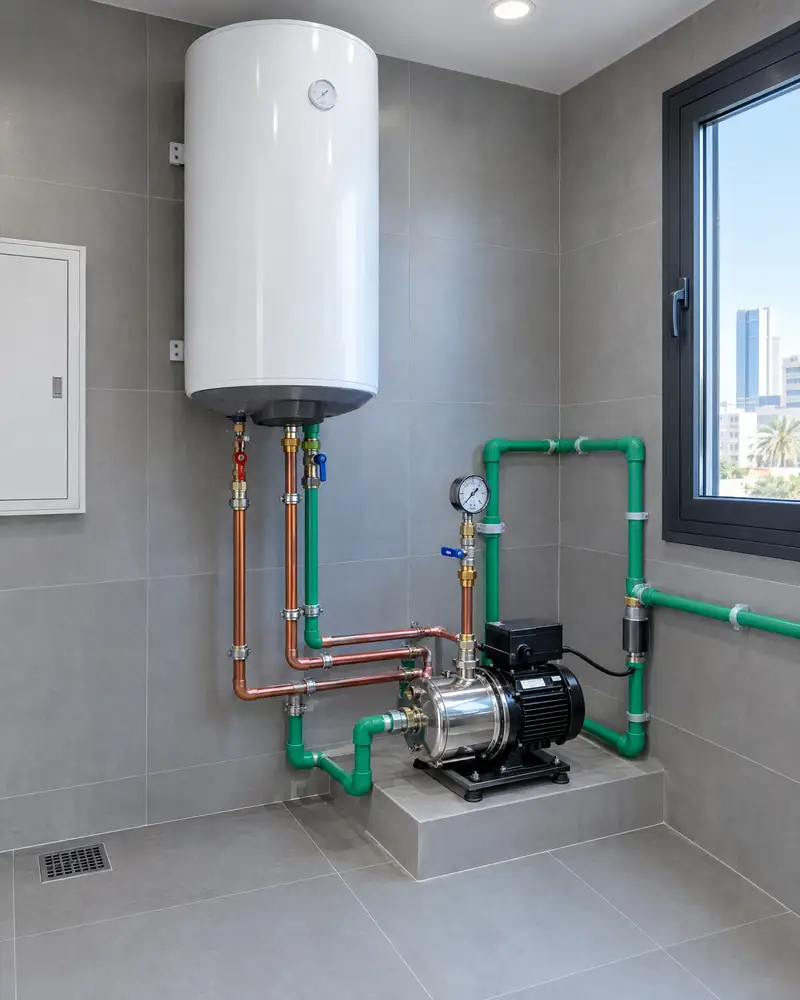
Pipework rushed before the walls close stays hidden until it starts to leak.
 02
02Leaks you cannot see
A slow leak behind tiles shows up as damp, stains and a higher water bill.
 03
03Nobody answers in an emergency
A burst pipe at night cannot wait for a contractor who has moved on.
The solution?
Pipework, leak detection and maintenance from one licensed company.
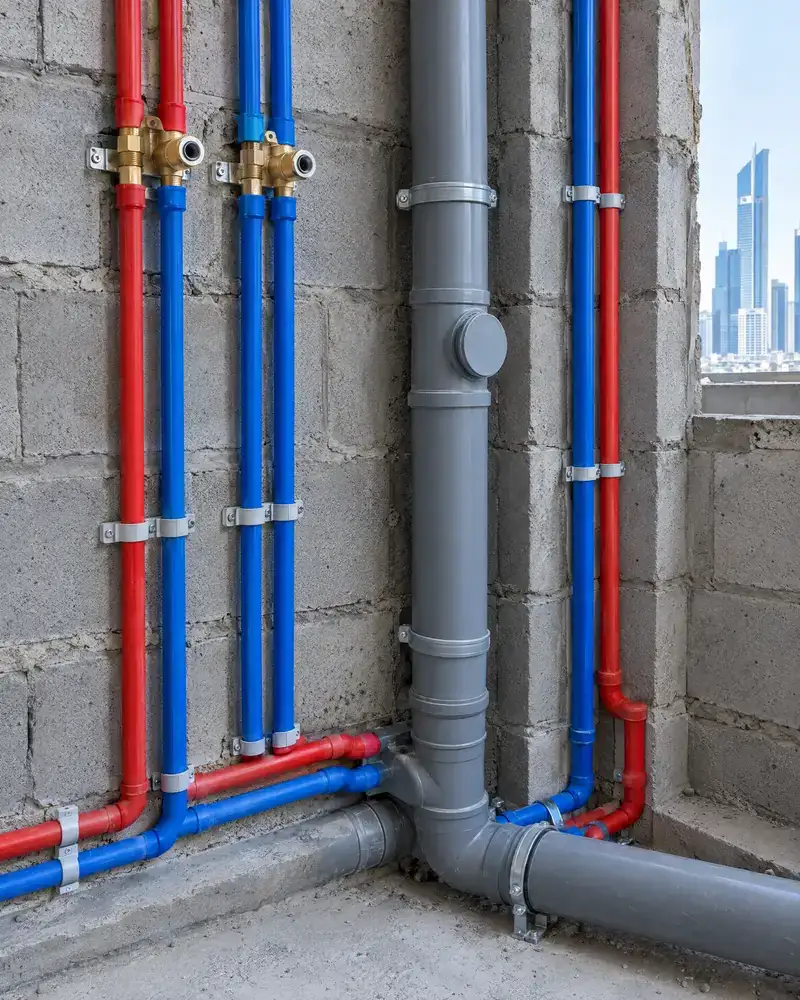
Pipes laid in a rushFirst-fix plumbing by the builder
Laid as part of the build, before the walls close.
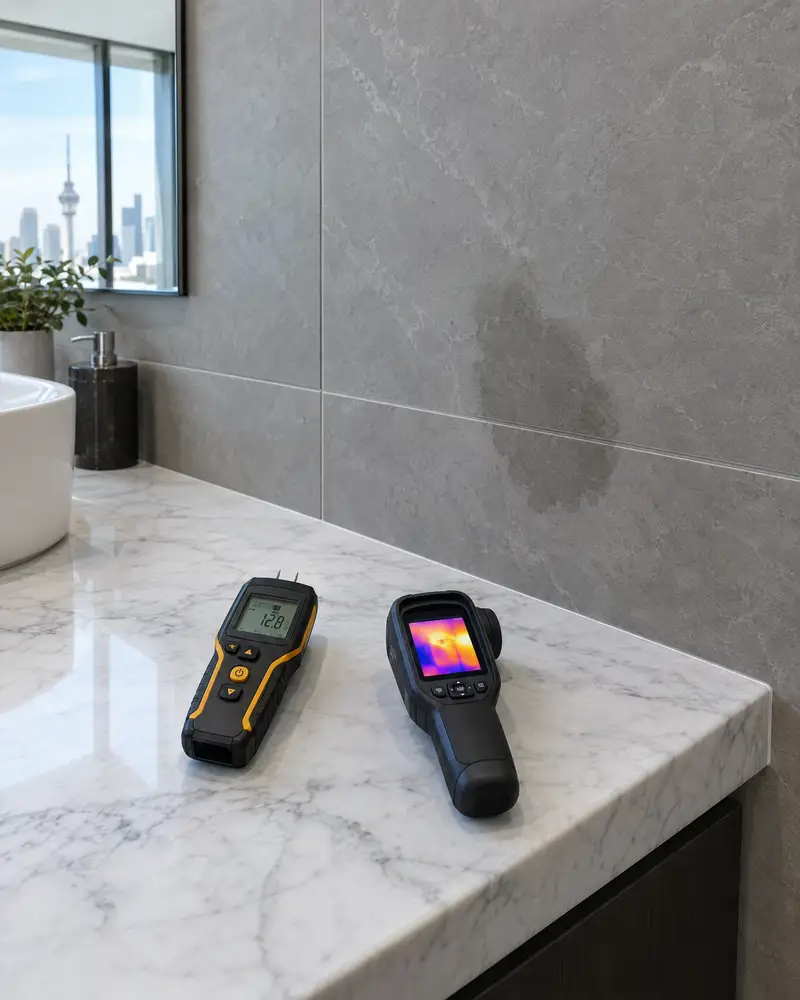
Leaks you cannot seeWater leak detection
We find the source first.
Nobody answers in an emergency24-hour emergency plumber
Plus regular maintenance contracts after handover.
How it works.
Call or whatsApp
Describe tank type and condition to book a site visit
Inspection
Internal inspection to assess cracks, scale and required treatment
Quotation
Detailed quote covering cleaning, lining and any repair works needed
Execution
Draining, cleaning, repair and waterproofing carried out in correct sequence
Testing and handover
Leak test and monitoring before reconnecting the tank to the network
What sets the price.
tank size, type, access conditions and the work scope all shape the final quote
Get a quoteTank capacity
Larger tanks need more lining material and longer working time inside
Tank type and location
Underground tanks require excavation access, lighting and ventilation, raising costs
Interior surface condition
Severe cracking or mortar loss needs surface repair work before any lining coat
Waterproofing method chosen
Multi-coat food-grade epoxy costs more than a single cementitious waterproof coat
Site access
Tanks in confined or elevated positions need extra access equipment affecting the price
Why one contractor beats four.
Every extra contractor means another schedule and another excuse. With us, one company answers for all of it.
Turnkey
Shell and finishing with one company, from footings to keys.
Pay in instalments
Construction and finishing on instalments. Ask us for the details.
Engineering supervision
Architectural drawings and engineering supervision on site.
After handover
Maintenance contracts and a 24-hour emergency plumber.
A licensed Kuwaiti company for building construction, finishing, renovation and infrastructure works.
What our clients say.
See all reviews on GoogleExcellent
Taha Saad
Google review
Excellent
Ali Nadi
Google review
Tank waterproofing & cleaning in Kuwait. We work across all six governorates of Kuwait: Capital, Hawalli, Farwaniya, Mubarak Al-Kabeer, Ahmadi, Jahra.
Official references: Ministry of Electricity and Water (water and drainage connections)
Questions, answered.
Call nowHow often should a water tank be cleaned in Kuwait?
Hard mineral-heavy water and high ambient temperatures accelerate scale and algae build-up. Regular periodic cleaning is recommended. Roof tanks exposed to direct sun need more frequent attention than shaded underground ones.
Is epoxy lining safe for drinking water tanks?
Yes, provided food-grade certified epoxy is used and full cure time is allowed before the tank is refilled. Using non-rated coatings or refilling before the coat has cured fully creates a health hazard.
Can an old concrete tank be waterproofed without demolishing it?
Usually yes. If the concrete shell is structurally intact and cracks are limited, surface repair followed by internal lining is sufficient. Demolition is only necessary when reinforcing steel has corroded or the structure has deteriorated beyond repair.
Why does contamination return shortly after cleaning?
The most common causes are an unsealed lid or open vents allowing dust and insects inside. Skipping disinfection after cleaning, or restarting a dirty transfer pump that pushes contaminated water back in, also causes rapid recontamination.
What is the difference between cleaning an underground tank and a roof tank?
Underground tanks require confined-space safety procedures and forced ventilation before entry. Roof tanks are easier to access but more prone to algae growth due to direct solar heating and temperature swings that accelerate wall degradation.
Do you waterproof the tank exterior as well?
For underground tanks, external waterproofing is essential to stop groundwater seeping inward and to protect the concrete from soil salts. Roof tanks benefit from an external treatment that reduces heat absorption and extends the structure's service life.
Licensed and registered in Kuwait.
Check us before you sign. This is our licence number and what it covers.
Find us on Google Maps