
What our painting covers
We paint all interior and exterior surfaces in residential and commercial buildings across Kuwait
Walls and ceilings
Interior coats with stain-resistant primer and finish layers
Exterior facades
Heat-reflective paint that resists UV rays and coastal salt
Wood and door painting
Moisture-seal treatment then coloured or clear final coat
Metal painting
Rust removal, anti-corrosion primer, then durable topcoat
Gypsum and decorative painting
Gypsum ceilings and textured or layered decorative finishes

Apartments and rooms
Full or partial painting with surface prep and furniture protection
Signs your surfaces need repainting
Peeling and cracking paint
Visible peeling on walls or facade exposes the underlying plaster or primer
Yellowing and faded colour
Interior walls turn yellow or show obvious colour mismatch between old and new sections
Damp stains or bleed-through
Dark rings or water halos appear on ceilings or walls after rain or a leak
Chalking and eroding facade
A white powdery residue transfers to your hand when you touch the exterior wall
Common mistakes in painting work
Skipping surface preparation
Painting over unground or unwashed walls causes early peeling within months
Omitting the primer coat
Without primer the paint bonds poorly to new plaster and uneven absorption shows through the finish
Using interior paint outdoors
Interior paint breaks down quickly under Kuwait's intense UV exposure and high temperatures
Painting under direct midday sun
Extreme heat dries paint before it levels, causing cracking and loss of surface adhesion
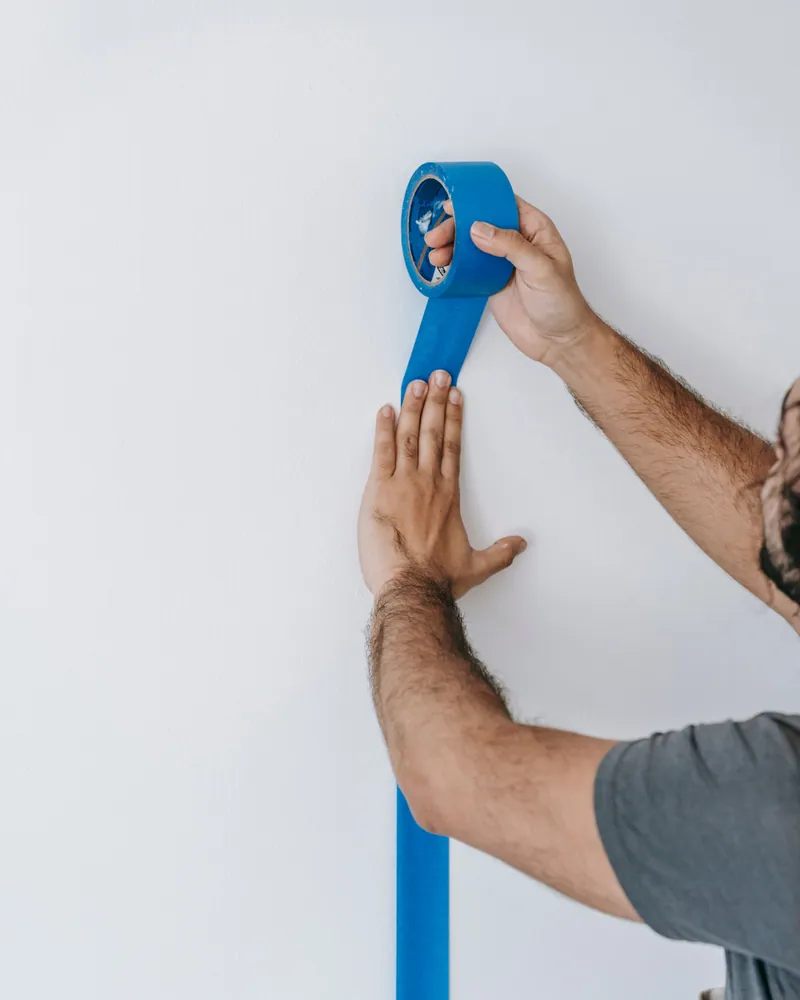
Inside painting.
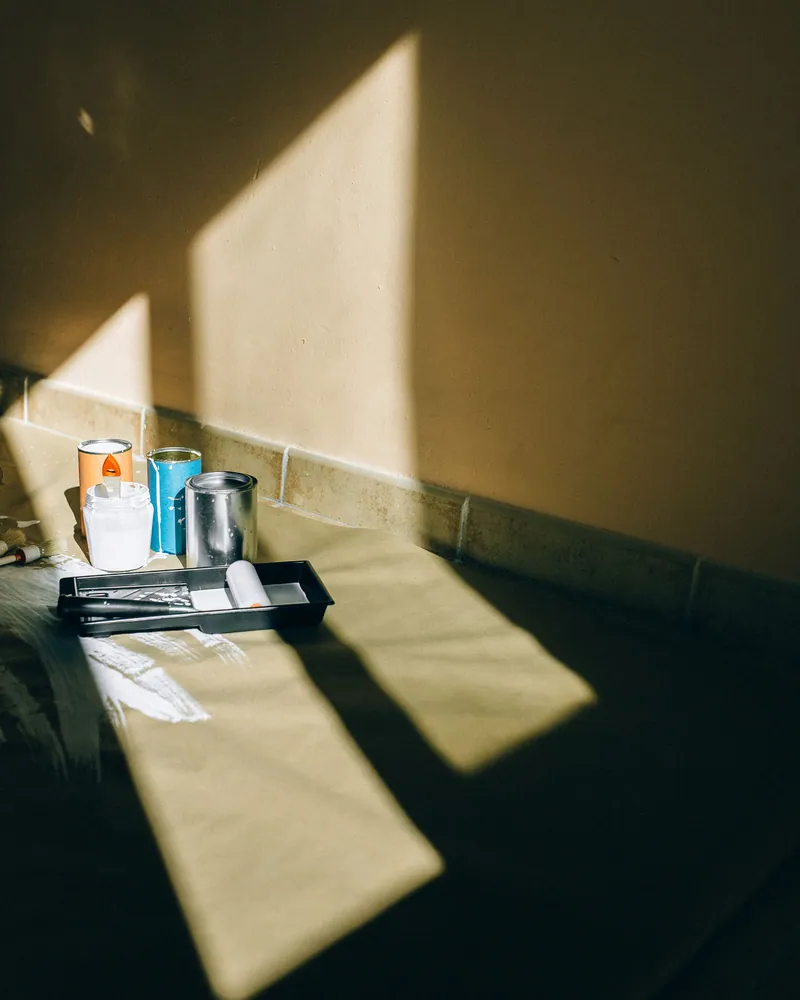
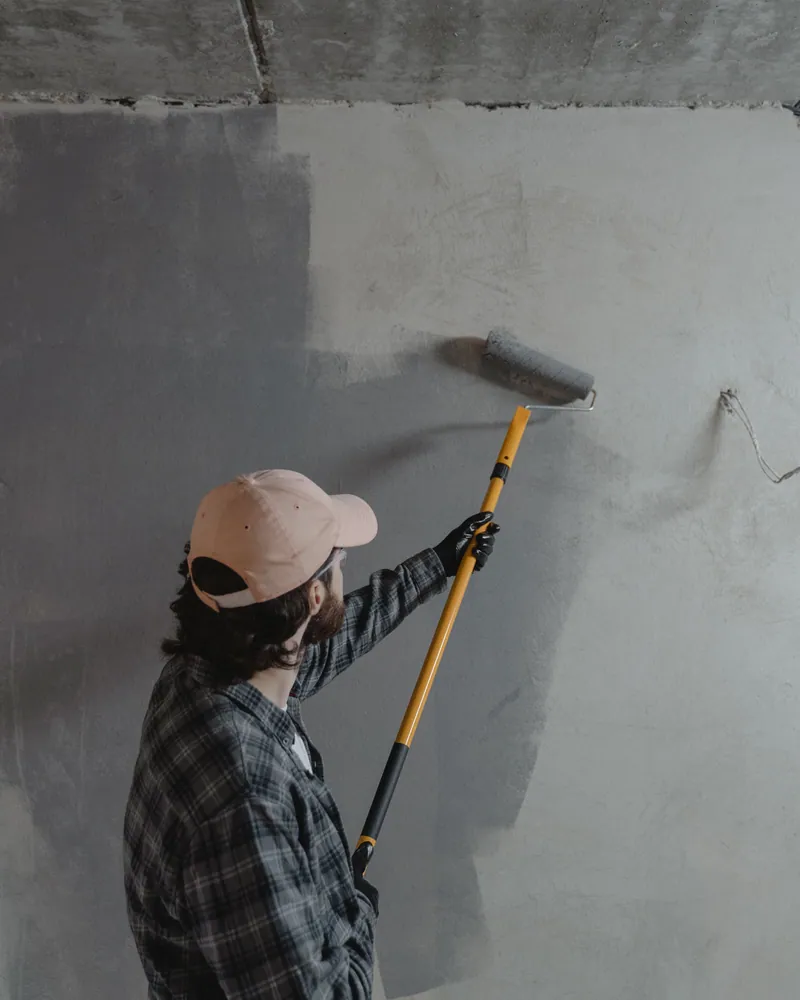
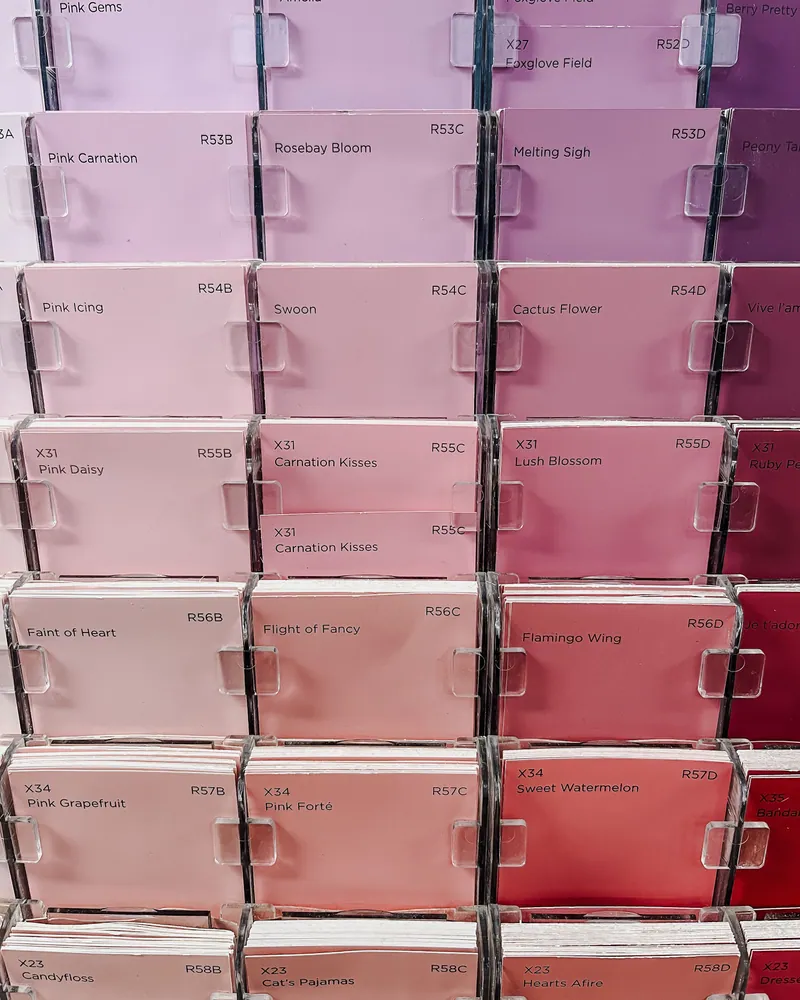
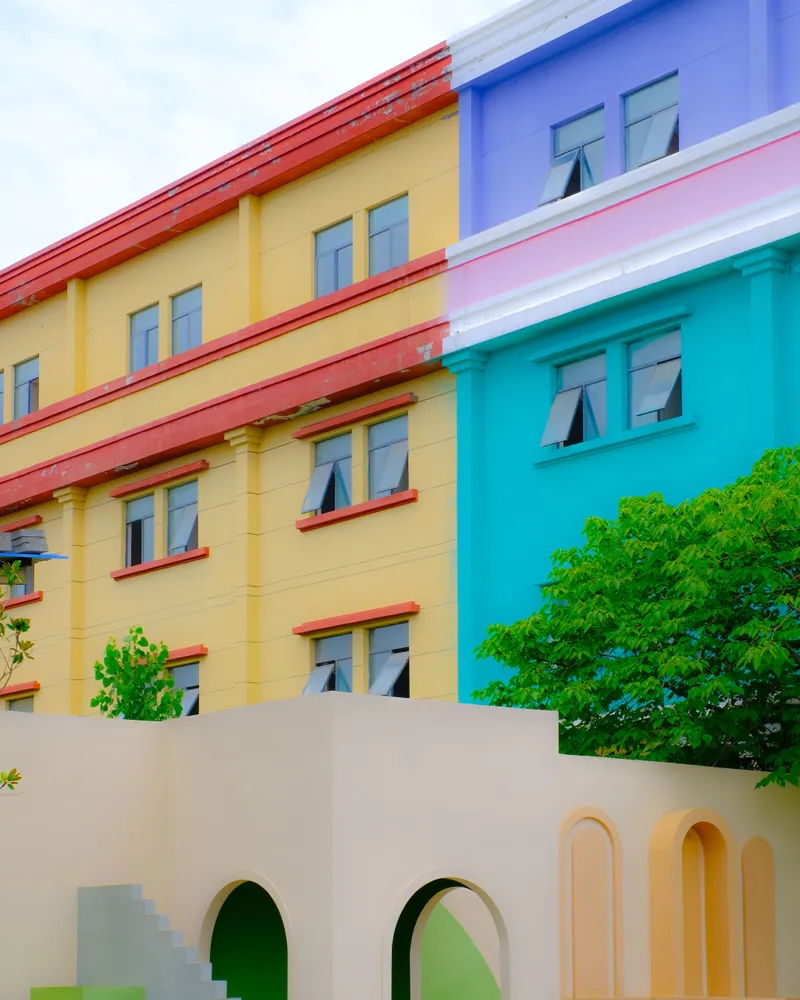
How painting work is done right in Kuwait
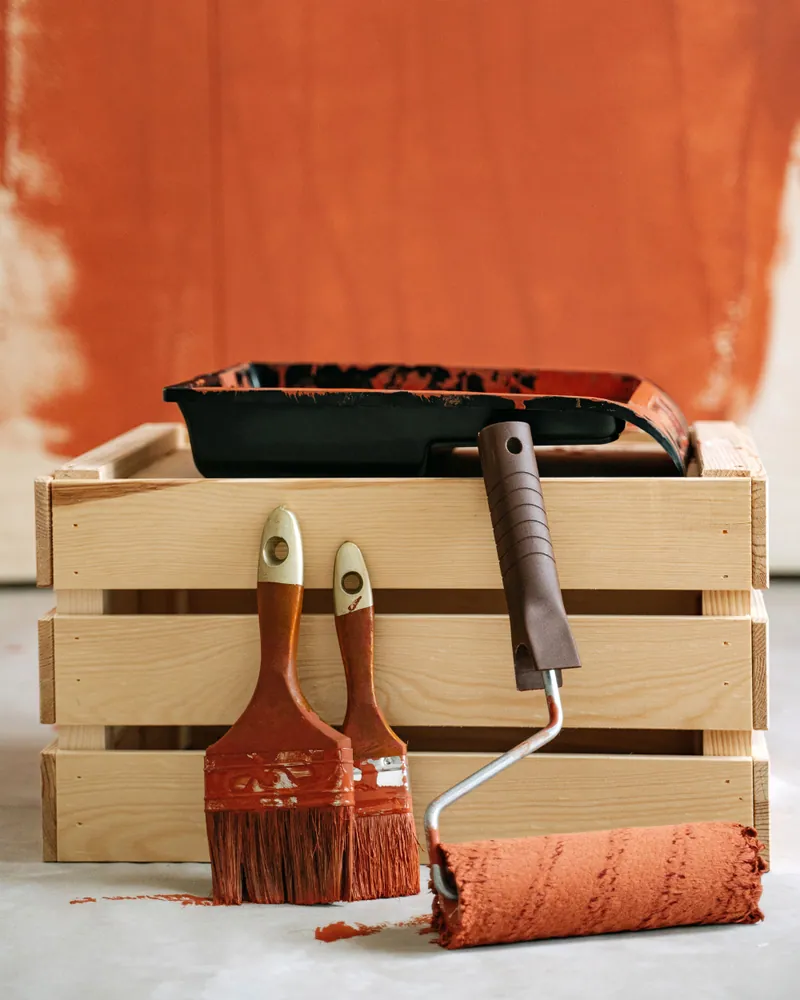
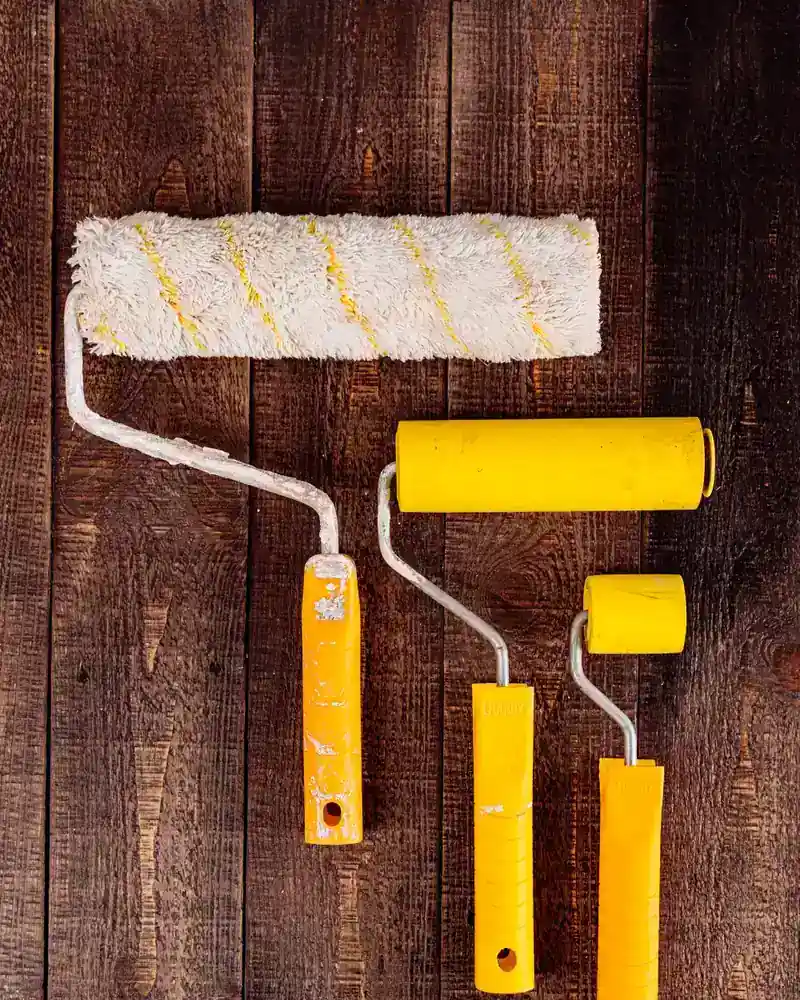
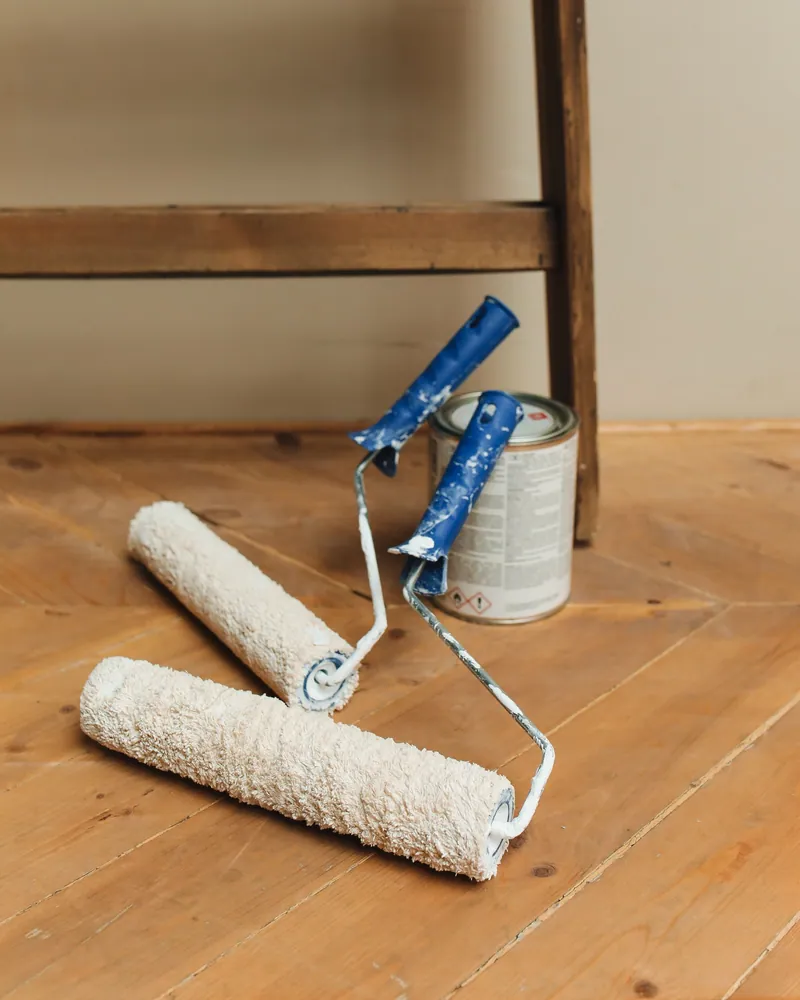
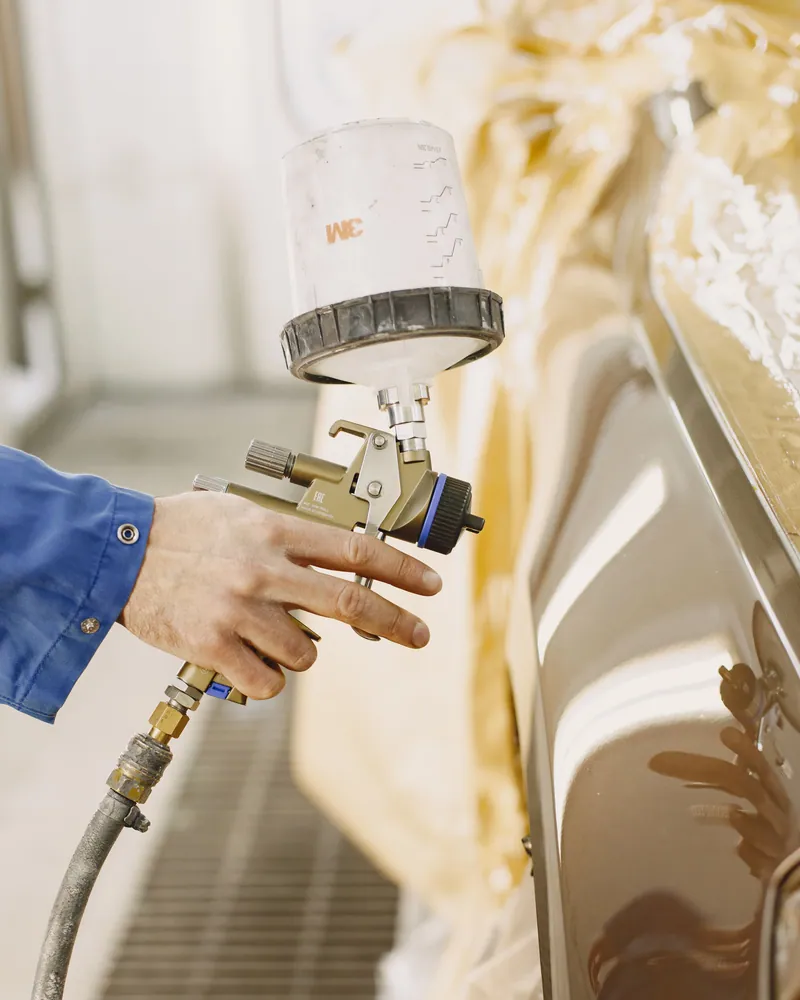
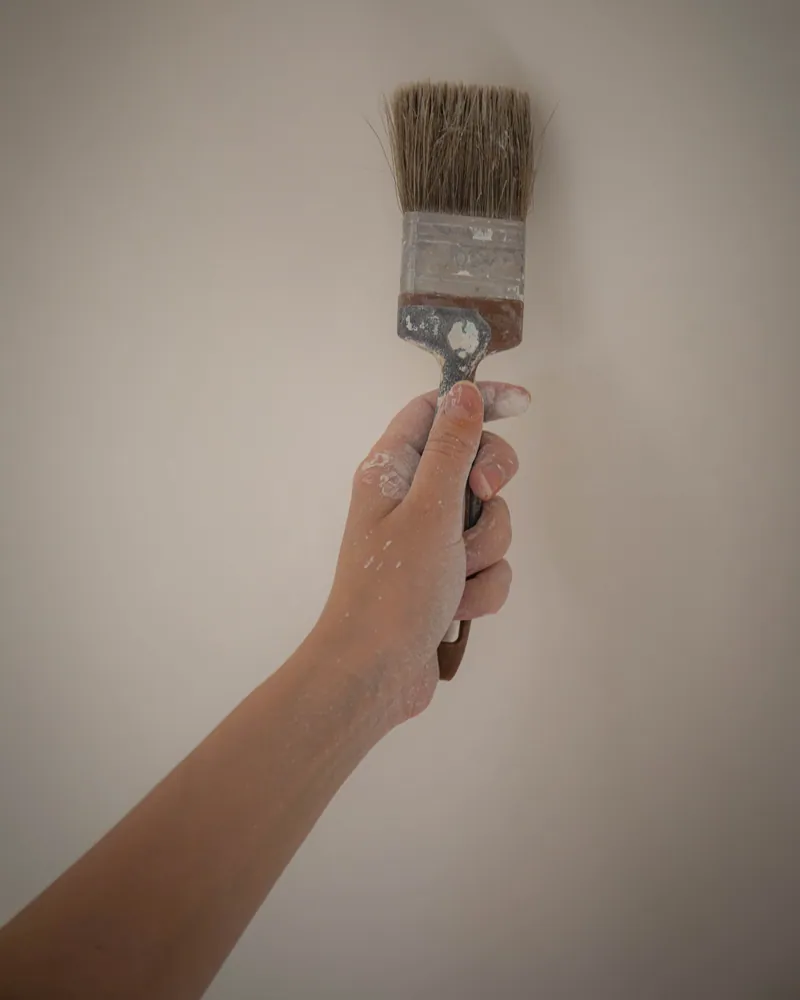
Every correct painting job begins with surface preparation, not with opening the paint tin. That means grinding or cleaning the wall, filling cracks with patching compound, and applying a primer suited to the substrate, whether gypsum, concrete, wood or metal. In Kuwait, walls often carry fine dust or coastal salt residue that must be washed and dried before any coat goes on, otherwise adhesion fails regardless of paint quality.
For exterior facades the owner chooses between a heat-reflective coating that lowers thermal load on the wall and a standard exterior acrylic that resists moisture. The difference shows over time, not on day one. Gypsum ceilings take a matt or semi-gloss white, while kitchen and bathroom walls need a washable steam-resistant formula. Wooden doors require sanding and a moisture-barrier undercoat before the coloured or clear topcoat is applied.
At handover, check coverage using a raking light to spot thin patches or brush marks, and confirm colour consistency across the full surface including window edges and corners. The final coat should show no drips or roller stipple. Metal paintwork needs close inspection at welds and cut edges, since those are the first spots where rust reappears if the coat is thin or missed.
What goes wrong with most finishing.
The finish is what you see every day, and its mistakes do not hide. These three are the most common.
 01
01A rushed finish
The finish is what you live with every day. Rushing it shows in every corner.
 02
02Four contractors for one finish
Tiling, gypsum, paint and aluminium crews who never talk to each other.
 03
03After-care that never comes
Once you have the keys, it is hard to find anyone to come back and fix what shows up.
The solution?
Full finishing, and maintenance after it, from one licensed company.
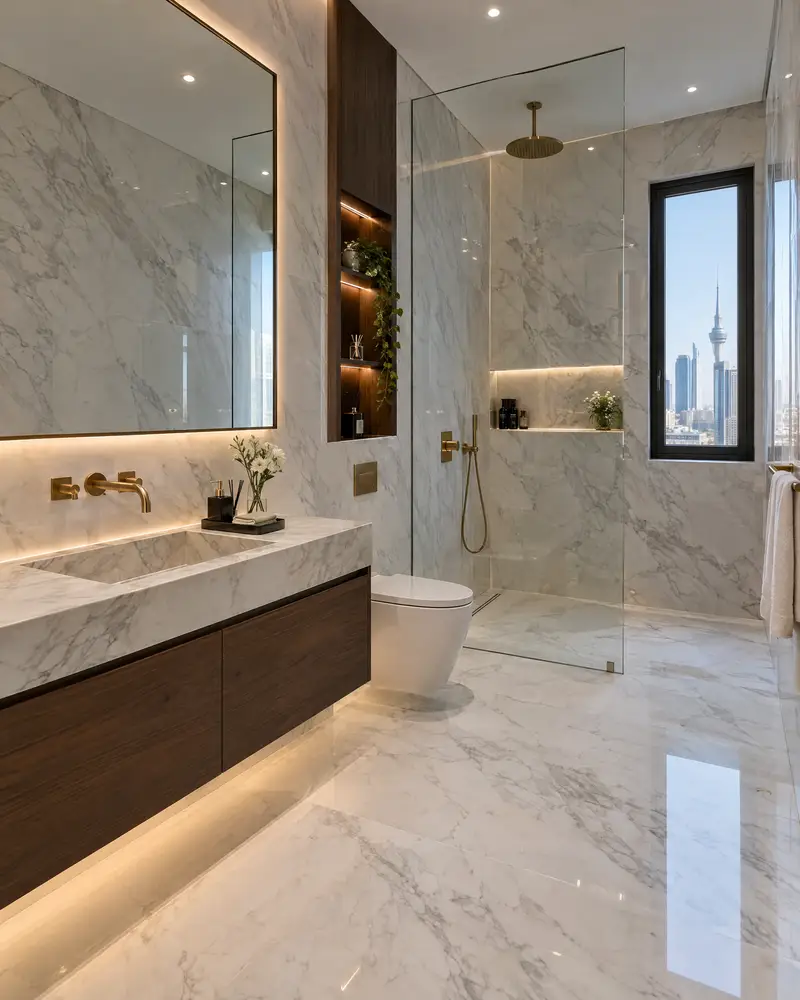
A rushed finishTurnkey finishing
Marble, tiling, gypsum and paint from one company.
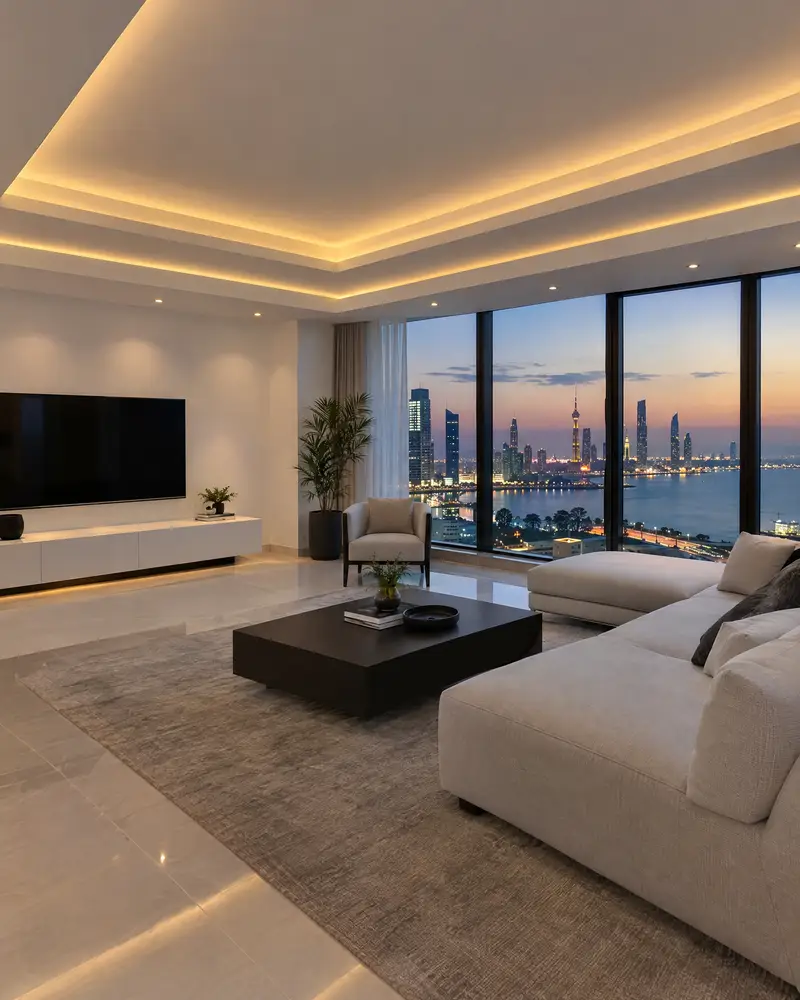
Four contractors for one finishOne company for every trade
No gaps between the tiler, the gypsum crew and the painter.
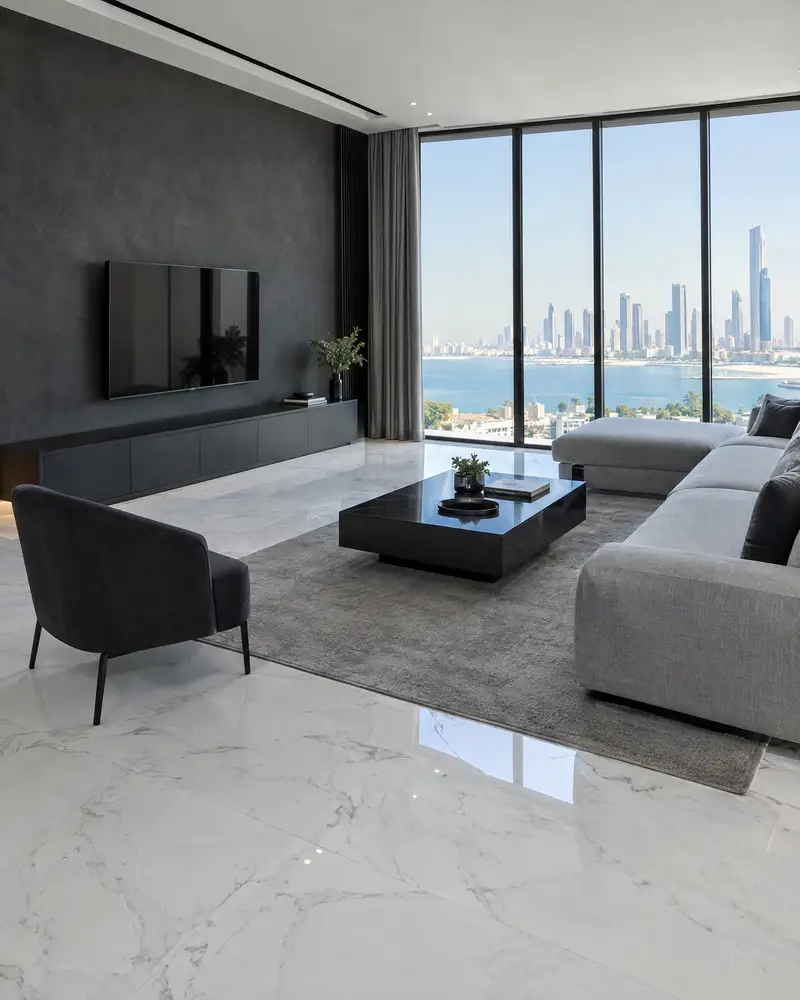
After-care that never comesRegular maintenance after handover
And finishing on instalments if you need it.
How it works.
First contact
Call or WhatsApp us to describe the painting scope needed
Site inspection
We visit to assess surface condition and required preparation work
Quotation and selection
We submit a priced offer with paint type options and expected outcome
Prep and application
Surfaces are prepared and coats applied in the correct sequence
Check and handover
We inspect coverage and finish with you before formal handover
What sets the price.
Painting quotes vary according to surface type, condition and the scope of preparation required
Get a quoteTotal painted area
Total square metres of surfaces to be painted drives the base cost
Paint grade and type
Reflective, washable or anti-moisture formulas cost more than standard economy grades
Existing surface condition
Heavy cracking or peeling demands extra prep work and raises total cost
Height and access difficulty
High ceilings and facades need scaffolding or lifts added to the budget
Decorative finish complexity
Textured, striped or multi-tone decorative work takes more time and skill
Why one contractor beats four.
Every extra contractor means another schedule and another excuse. With us, one company answers for all of it.
Turnkey
Shell and finishing with one company, from footings to keys.
Pay in instalments
Construction and finishing on instalments. Ask us for the details.
Engineering supervision
Architectural drawings and engineering supervision on site.
After handover
Maintenance contracts and a 24-hour emergency plumber.
A licensed Kuwaiti company for building construction, finishing, renovation and infrastructure works.
What our clients say.
See all reviews on GoogleExcellent
Taha Saad
Google review
Excellent
Ali Nadi
Google review
Painting in Kuwait. We work across all six governorates of Kuwait: Capital, Hawalli, Farwaniya, Mubarak Al-Kabeer, Ahmadi, Jahra.
Official references: Kuwait Fire Force (safety requirements in finishing work)
Questions, answered.
Call nowHow many coats does a proper paint job need?
Interior walls need at minimum a primer coat plus two finish coats. Exterior facades generally need three coats given sun and humidity exposure. New plaster absorbs heavily and may require an extra primer pass before finish coats go on.
Can walls be painted without fully vacating the house?
Yes in most cases. Furniture and floors are covered tightly and we work room by room. Good ventilation is needed for fumes, and lived-in rooms are typically scheduled in the morning so paint dries before evening use.
What is the difference between matt, semi-gloss and gloss paint finishes?
Matt hides surface imperfections but is harder to clean. Semi-gloss is balanced and suits walls and kitchens. High-gloss wipes clean easily but reveals every surface flaw, making it more suitable for doors and woodwork than for large wall areas.
Can the exterior facade be repainted in a different colour without touching the interior?
Yes, the exterior is treated as a standalone job. We first assess the existing coat, and if it is still well bonded the surface is cleaned and reprimed before the new colour is applied on top.
Why does exterior paint crack so quickly in Kuwait?
The most common causes are using interior paint outdoors, applying to a damp or unprepared surface, or using a low-grade product that cannot withstand UV. Intense heat expands the wall and cracks paint that has already lost its flexibility.
Are decorative and textured paint finishes suitable for Kuwait's interior climate?
Yes for interior spaces not directly exposed to steam. Textured finishes are not recommended in bathrooms without additional sealing. Rough or structured surfaces need periodic light vacuuming to keep fine dust from settling permanently into the texture.
Licensed and registered in Kuwait.
Check us before you sign. This is our licence number and what it covers.
Find us on Google Maps