
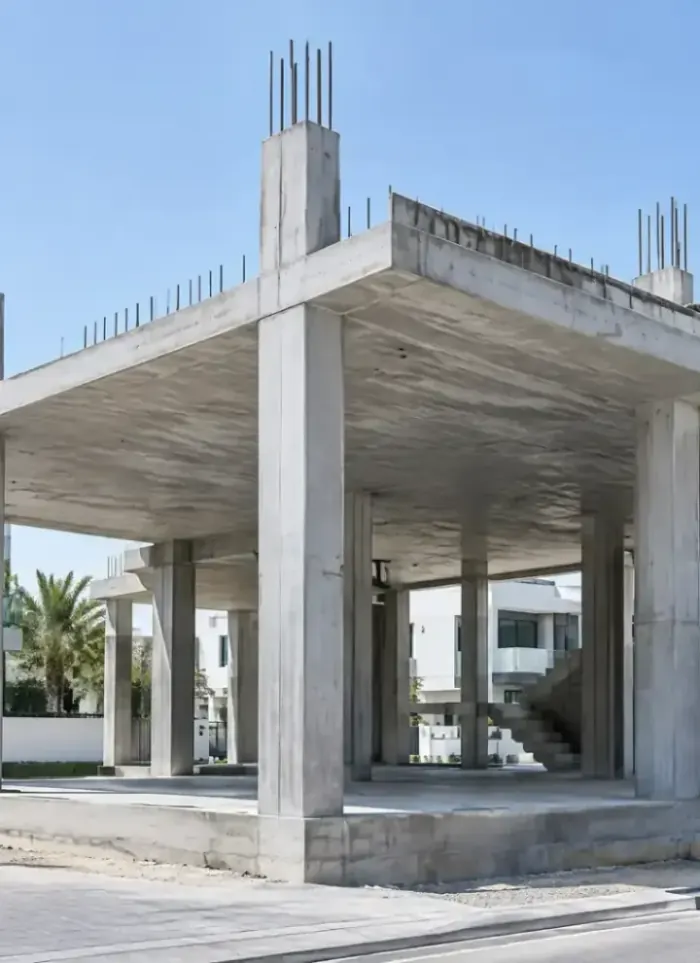
Concrete work we carry out
Structural concrete from column bases to roof slabs, with surface finishing and pump delivery included.

Column and frame pouring
Reinforced columns, beams and frames poured to approved structural drawings.

Floor slab pouring
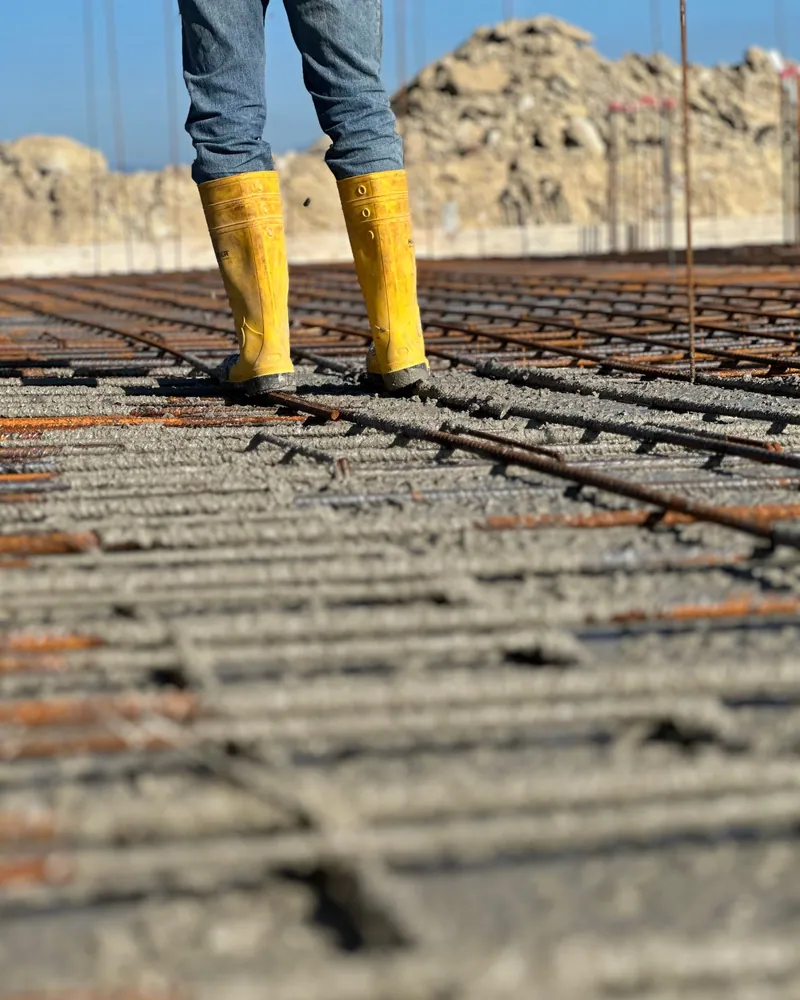
Reinforced floor slabs poured with correct rebar distribution and level finish.
Shotcrete
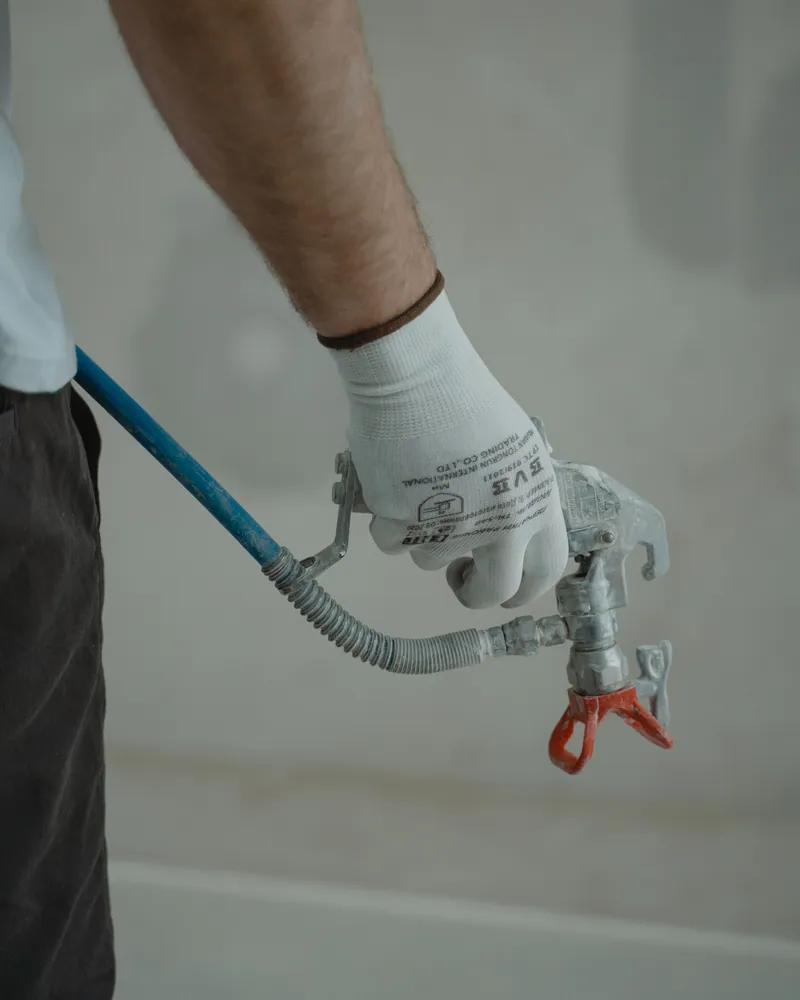
High-pressure concrete spray for retaining walls, excavation faces and repair zones.
Concrete stair pouring
Cast-in-place stairs with accurate tread dimensions and smooth finish for tiling.

Screed pouring
Levelling screed poured over slabs to achieve correct drainage fall and flatness.

Concrete pump service
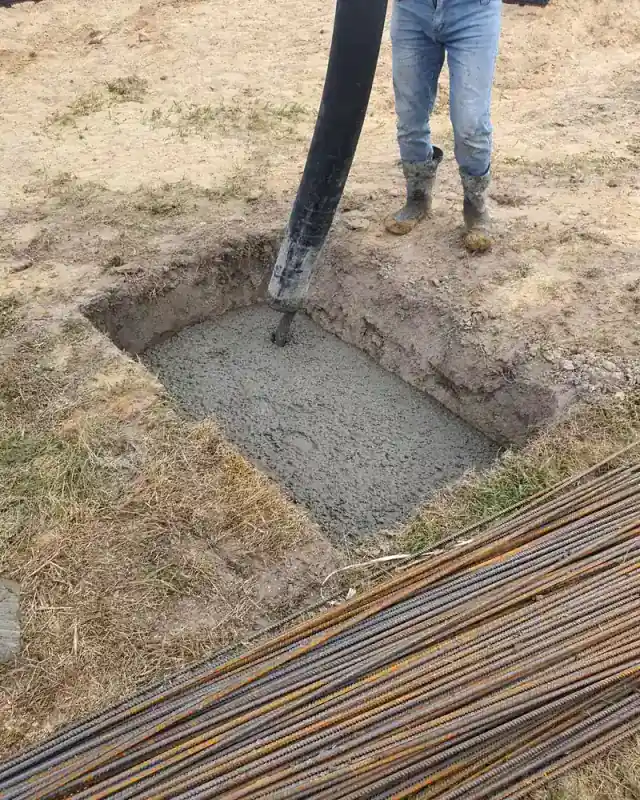
Pumped delivery of ready-mix concrete to upper floors and restricted-access areas.
Signs your structure needs attention
Rust stains on concrete
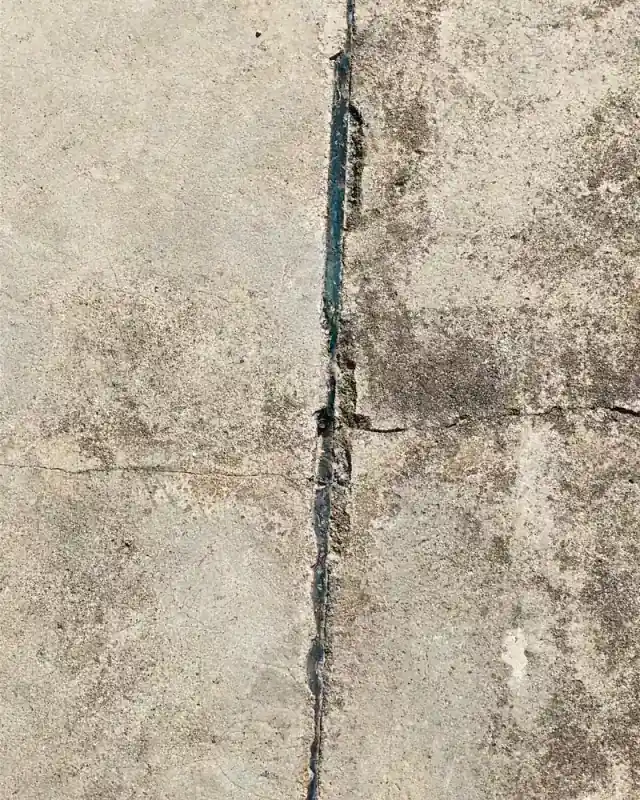
Orange streaks on concrete show corroded rebar inside that needs repair before damage spreads.
Concrete spalling off surfaces
Spalled chunks falling from a ceiling or column mean the concrete cover has failed, exposing rebar.
Cracks in columns or beams
Cracks in a structural column or beam signal distress and need professional assessment before work continues.
Planning an extra storey
Adding a storey requires new poured columns, beams and slabs tied into the existing frame.
What to prepare before you call
Approved structural drawings
Concrete work cannot begin without approved structural drawings showing bar sizes, spacing and concrete grade.
Soil investigation report
A soil report reveals sulphate levels and groundwater depth to determine the right cement type.
Pump truck site access
Check that a ready-mix truck and pump can reach the pour point without obstruction.
Deciding the pour time
In summer, settle on an early-morning pour time to keep the mix temperature low.
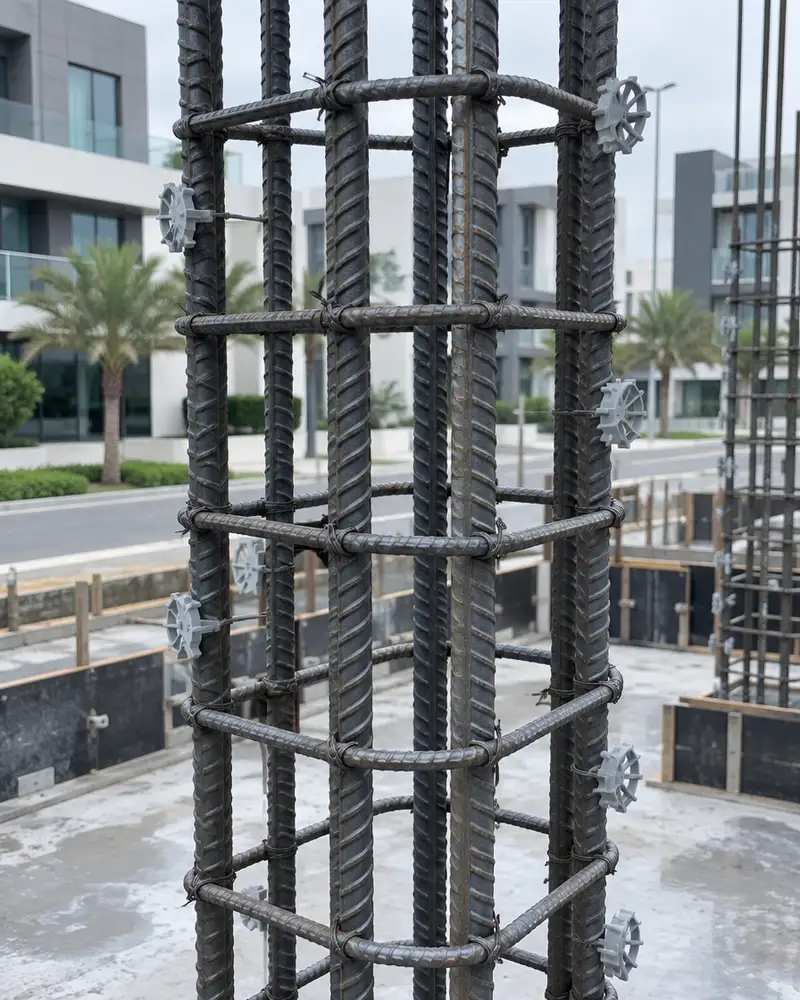
Inside rebar & concrete pouring.


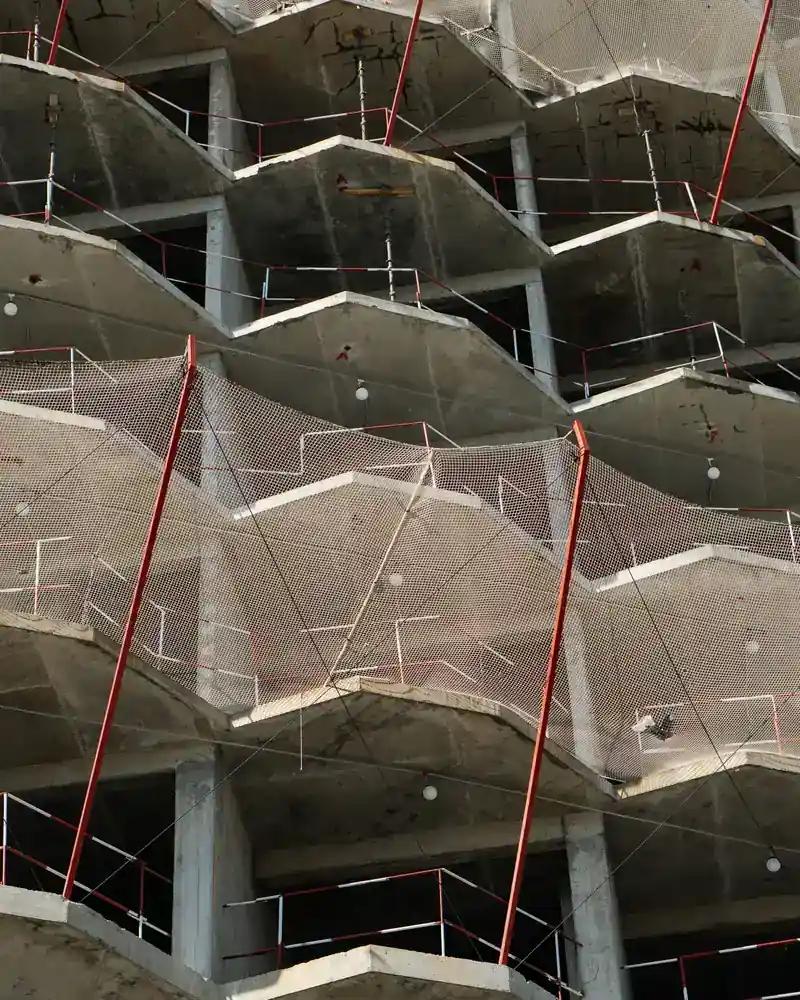
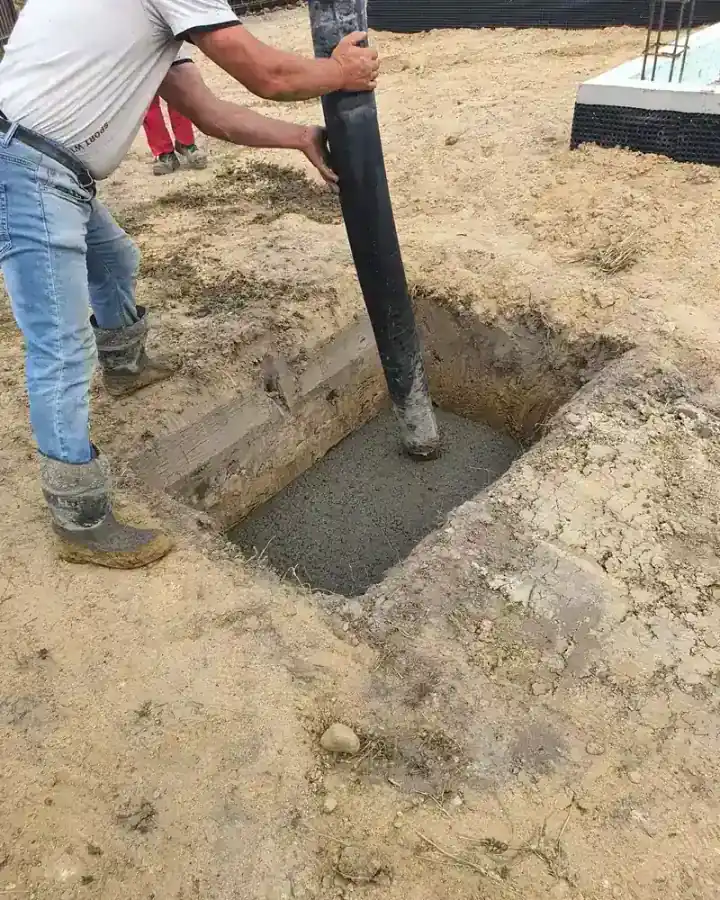


Rebar and concrete done right in Kuwait
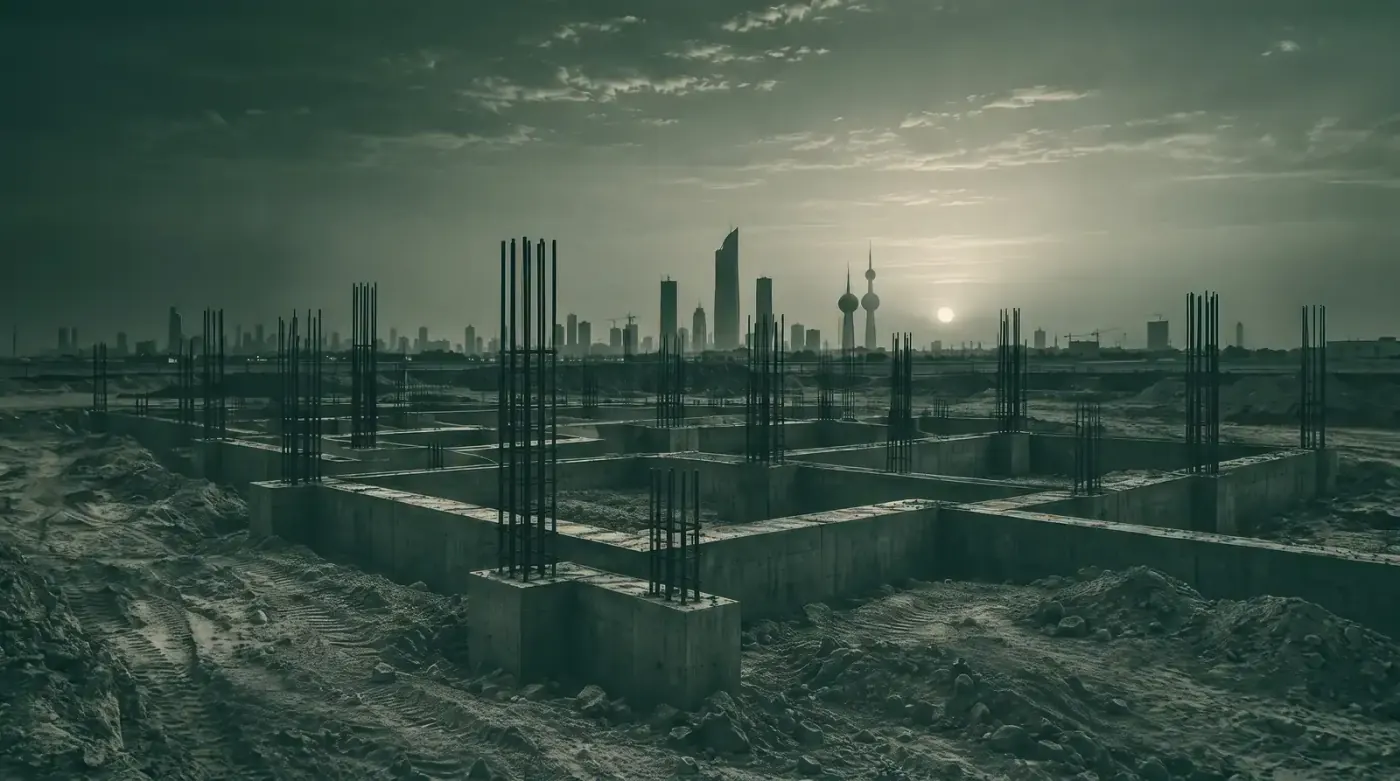
Work starts with assembling the rebar cage to the approved structural drawings, keeping bar spacing and concrete cover exact. Plastic spacers hold the cage away from the formwork at the specified distance, and intersections are wire-tied so nothing shifts during the pour. A cover that is too thin exposes the bars to the moisture and chlorides common in Kuwait's coastal ground, leading to corrosion and surface spalling years later.
Kuwait's long summer heat can begin setting concrete faster than a crew can finish and check the surface, so pours are timed for early morning. Ready-mix from a batching plant delivers a consistent water-to-cement ratio that site mixing cannot match. After the pour, the surface is covered and kept continuously moist to complete the curing reaction without the thermal cracking that dry concrete left under direct sun will develop.
Different structural elements have different pour requirements. Columns need tight formwork and thorough vibration to prevent voids, floor slabs need adequate propping until full compressive strength is reached, and screed layers need a precise level for the tile bed to sit flat. In coastal Kuwaiti neighbourhoods where soil carries high sulphate levels, the structural engineer specifies a sulphate-resistant cement type to protect the foundation concrete across its full service life.
What goes wrong on most builds.
Most problems are built in early and found late. These three cost the most to fix.
 01
01Shortcuts under the finish
Concrete and steel disappear under the finish, so a shortcut there stays hidden until it cracks.
 02
02Mistakes behind the wall
A water or drain mistake found after the finish means breaking new tile.
 03
03A rushed finish
The finish is what you live with every day. Rushing it shows in every corner.
The solution?
One licensed company for the structure, the pipes and the finish.

Shortcuts under the finishEngineering supervision on site
The structure is followed before it is covered.
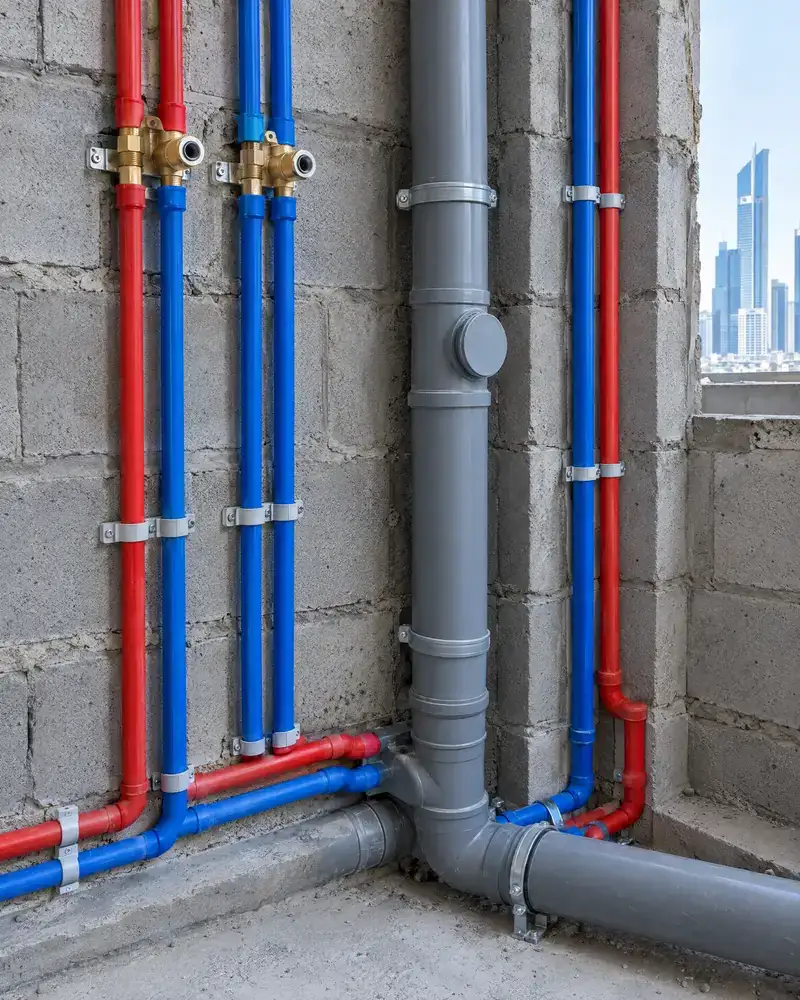
Mistakes behind the wallPlumbing by the same company
Laid before the walls close.

A rushed finishFinishing, and maintenance after
The same company finishes and maintains.
How it works.
Call or whatsApp
Send site photos and drawings via WhatsApp for quick initial assessment.
Site visit
Engineer visits to measure and confirm pump and access conditions.
Drawing review and quote
Structural drawings reviewed and a detailed price breakdown submitted.
Rebar and pour
Rebar cages checked, then concrete poured on the agreed date.
Curing and handover
Concrete cured to full strength, then formally handed over.
What sets the price.
The quote depends on several factors confirmed during drawing review and a site visit.
Get a quoteConcrete volume
Total cubic volume poured drives both materials cost and pump time cost.
Rebar weight and complexity
Bar weight, diameter mix and cage complexity affect fabrication and fixing cost.
Concrete grade and specification
Sulphate-resistant or high-strength mixes cost more than a standard residential grade.
Truck and pump access
Truck access distance and pump reach affect the total pour-day cost.
Structural element type
Stairs and tight column zones need more labour time than open flat slabs.
Why one contractor beats four.
Every extra contractor means another schedule and another excuse. With us, one company answers for all of it.
Turnkey
Shell and finishing with one company, from footings to keys.
Pay in instalments
Construction and finishing on instalments. Ask us for the details.
Engineering supervision
Architectural drawings and engineering supervision on site.
After handover
Maintenance contracts and a 24-hour emergency plumber.
A licensed Kuwaiti company for building construction, finishing, renovation and infrastructure works.
What our clients say.
See all reviews on GoogleExcellent
Taha Saad
Google review
Excellent
Ali Nadi
Google review
Rebar & concrete pouring in Kuwait. We work across all six governorates of Kuwait: Capital, Hawalli, Farwaniya, Mubarak Al-Kabeer, Ahmadi, Jahra.
Official references: Kuwait Municipality (building permits and plans)
Questions, answered.
Call nowWhat concrete grade is right for villa columns in Kuwait?
The structural engineer specifies the grade based on loads, column dimensions and the soil report findings. In coastal areas, sulphate and chloride resistance requirements are typically added to the standard specification.
Why does pour timing matter more in Kuwait than in cooler climates?
High ambient heat speeds up the setting reaction and shortens workable time, raising the risk of cracks and voids. An early start gives the crew time to pour, vibrate, finish the surface and begin curing before midday heat peaks.
What is shotcrete and when is it used instead of cast concrete?
Shotcrete is concrete projected at high pressure directly onto a surface without traditional formwork. It is used to stabilise excavation walls, repair deteriorated concrete faces and strengthen existing structural elements where access makes traditional formwork impractical.
Can existing concrete be cut for a new opening or structural change?
Yes. Existing concrete is cut with specialist equipment after locating the rebar to avoid severing load-bearing bars. A structural engineer should confirm the opening will not affect structural capacity before any cutting begins.
What is the difference between a screed and a structural slab?
A structural slab is a load-bearing reinforced element designed to span between supports. A screed is a thinner non-structural layer poured on top to achieve a flat surface at the correct drainage fall, ready for tiling.
What is foam concrete and where does it fit in a building project?
Foam concrete is a lightweight mix with insulating properties. It is used to fill voids under ground-floor slabs, form drainage falls on flat roofs and level uneven surfaces where adding heavy mass to the existing structure is not practical.
Licensed and registered in Kuwait.
Check us before you sign. This is our licence number and what it covers.
Find us on Google Maps