
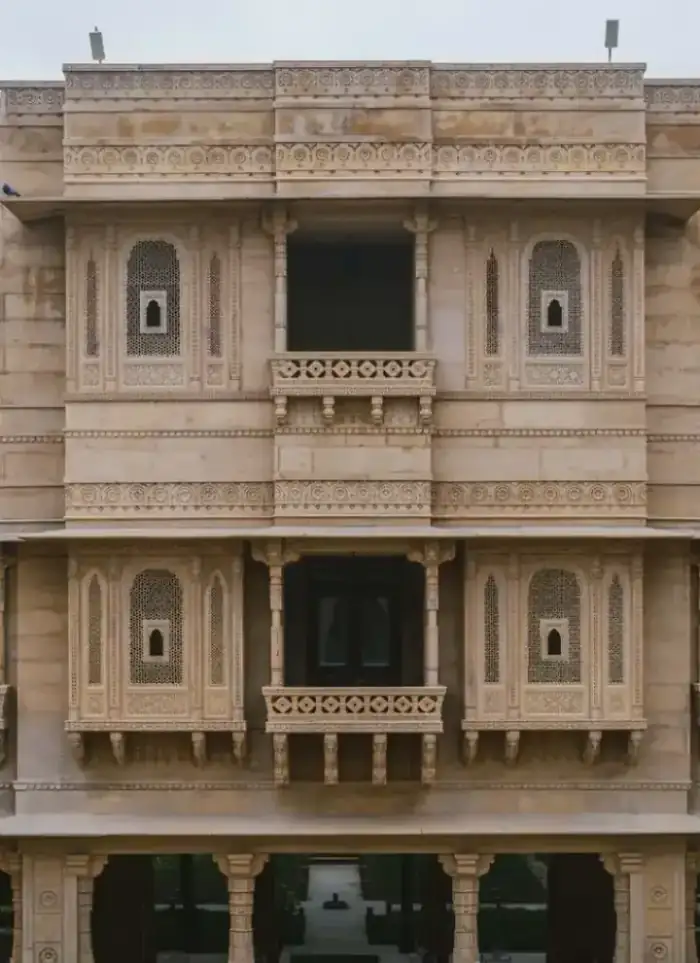
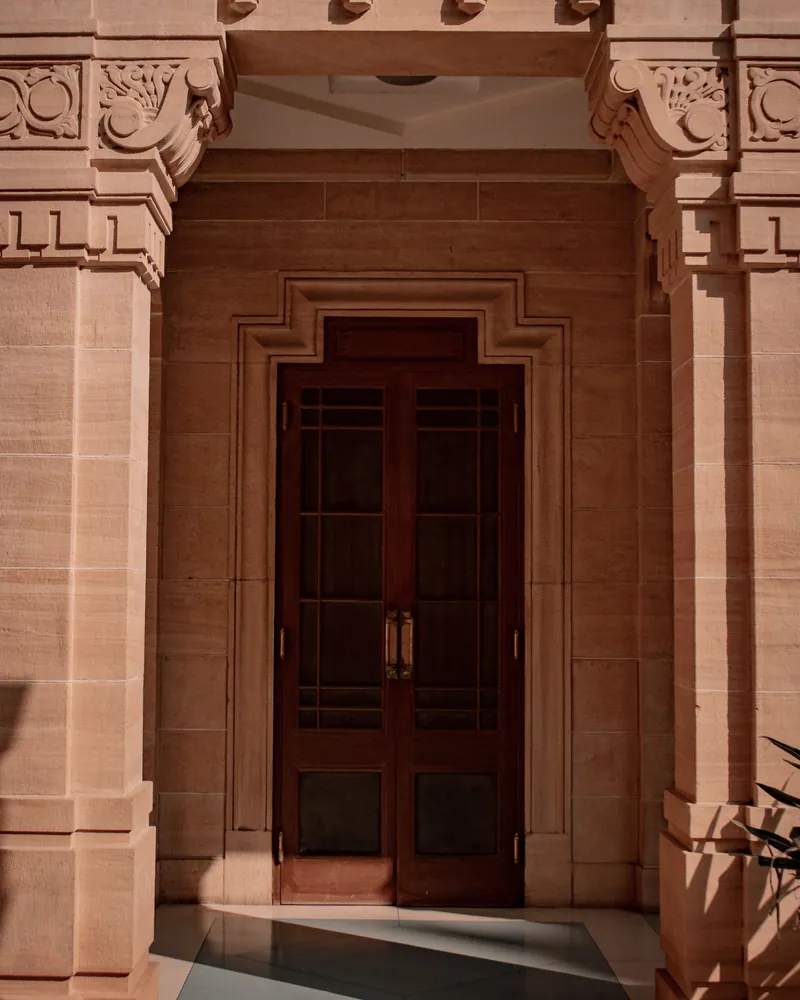
What the service covers
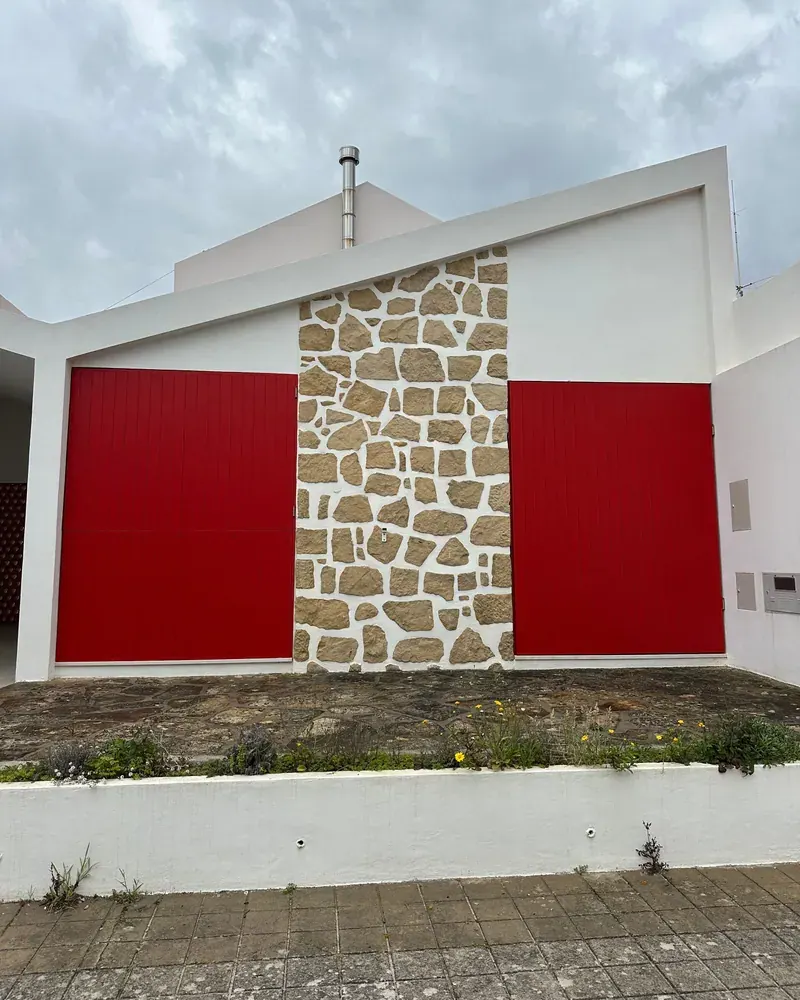
Wall survey and preparation through to a fully pointed and sealed pharaonic stone facade
Wall survey and prep
Check wall level and assess substrate condition before any panel goes up
Panel cutting and shaping
Precise cuts for corners, window reveals and any irregular wall break
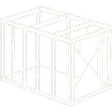
Fixing by anchor or mortar
Fixing method chosen by panel weight, wall type and facade height
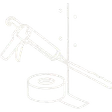
Expansion joints and pointing
Correct gap spacing filled with flexible sealant to absorb thermal movement
Salt-resistant sealing
Impregnating treatment on stone face to block coastal moisture and salt deposit
Final inspection and handover
Tap-test every panel and check all joints before handing the facade over
Common mistakes with pharaonic stone cladding
Skipping the bonding slurry
Bedding stone directly onto dry block without a bonding slurry weakens adhesion and causes early detachment
Closed expansion joints
Filling every joint solid with mortar leaves no room for thermal expansion and cracks panels in summer heat
Wrong mortar grade
Standard cement mortar instead of polymer-modified mix shrinks and cracks the bed joints within months
Installing wet stone
Damp stone stored outdoors weakens the mortar bond and causes white salt staining to appear later
Before you call us
Measure the facade area
Note the height and width of each face to be clad so we can price accurately
Condition of existing cladding
Note whether old cladding is present, loose or cracked and needs full removal first
Access to the facade
Confirm whether scaffolding or a lift platform is needed, as this affects cost and schedule
Stone tone and finish
Pharaonic stone comes in varied tones and chiselled finishes; decide your preference before the visit
More in stone & facades.
What goes wrong with most finishing.
The finish is what you see every day, and its mistakes do not hide. These three are the most common.
 01
01A rushed finish
The finish is what you live with every day. Rushing it shows in every corner.
 02
02Four contractors for one finish
Tiling, gypsum, paint and aluminium crews who never talk to each other.
 03
03After-care that never comes
Once you have the keys, it is hard to find anyone to come back and fix what shows up.
The solution?
Full finishing, and maintenance after it, from one licensed company.
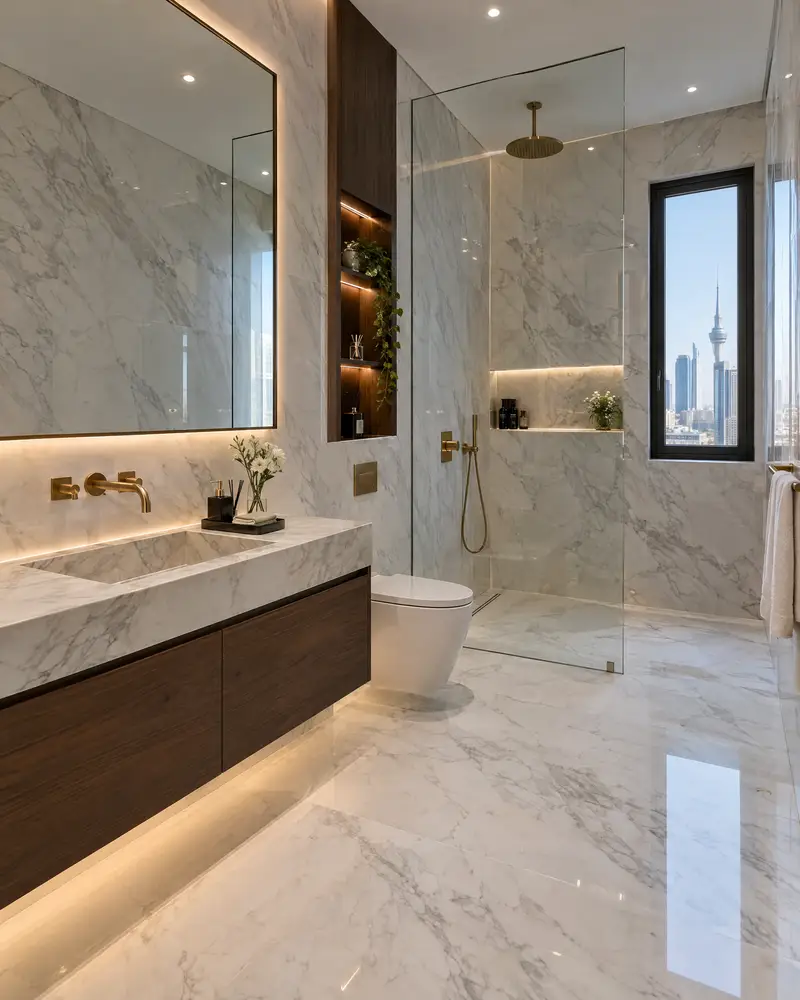
A rushed finishTurnkey finishing
Marble, tiling, gypsum and paint from one company.
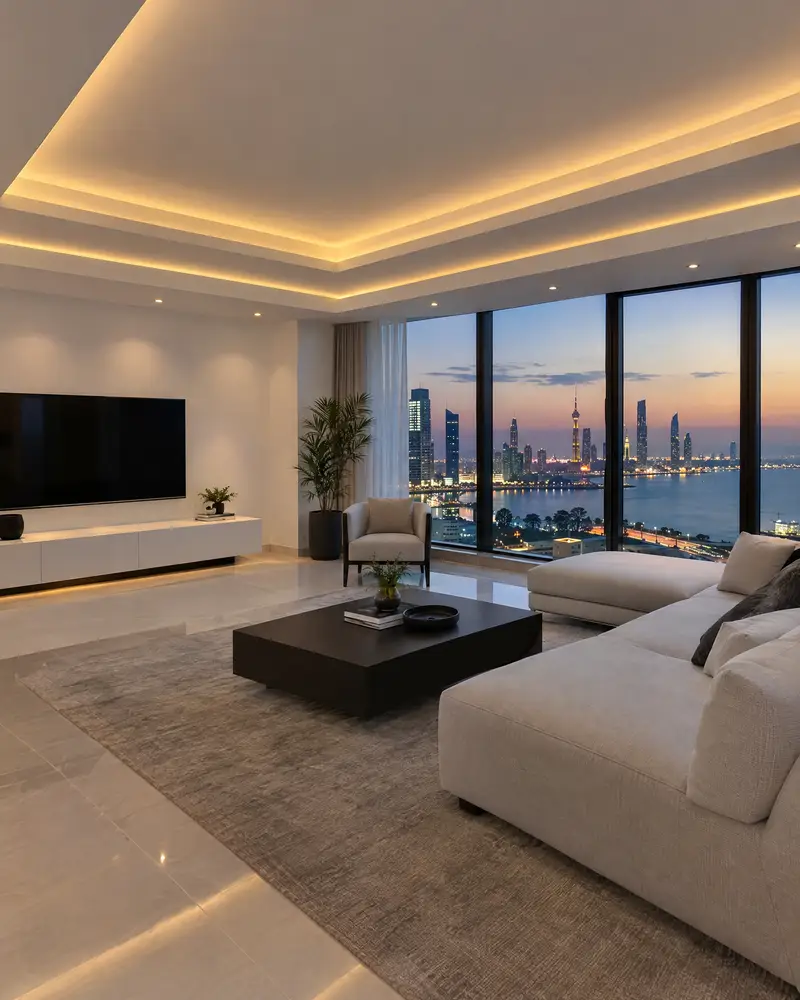
Four contractors for one finishOne company for every trade
No gaps between the tiler, the gypsum crew and the painter.
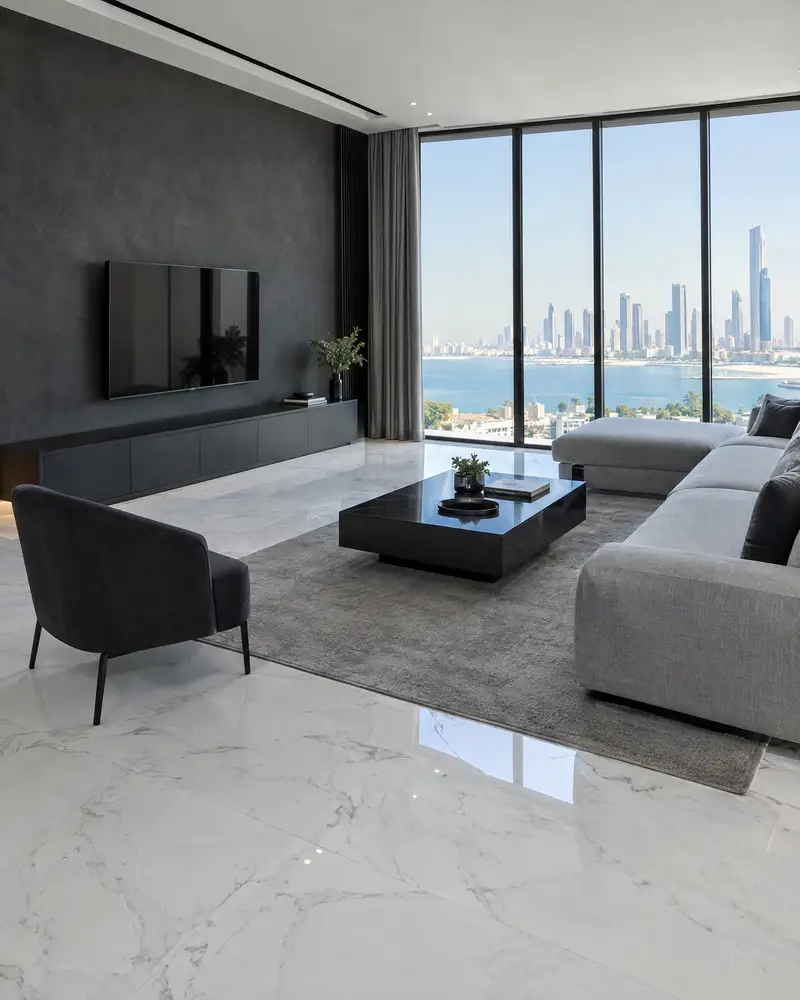
After-care that never comesRegular maintenance after handover
And finishing on instalments if you need it.
How it works.
Call or whatsApp
Tell us the building location and which facades need cladding
Site survey
We measure the facades, check wall condition and assess access needs
Quote and approval
Detailed quote covering stone, fixing, pointing and sealing is submitted
Installation
Wall prep, panel fixing, joint pointing and surface sealing are carried out
Inspection and handover
Full tap-test and joint check done before the facade is handed over
What sets the price.
No fixed rate applies; these factors determine the final quote for pharaonic stone cladding
Get a quoteStone grade and thickness
Heavier higher-grade panels need stronger anchors and cost more to fix
Total cladding area
Total area of all facades to be clad is the primary cost driver
Height and access method
Tall facades require scaffolding or access platforms that add to overall cost
Old cladding removal
Stripping existing cladding and preparing the substrate adds time and cost
Corner and opening complexity
Multiple corners and window reveals require extra cutting and raise labour cost
Why one contractor beats four.
Every extra contractor means another schedule and another excuse. With us, one company answers for all of it.
Turnkey
Shell and finishing with one company, from footings to keys.
Pay in instalments
Construction and finishing on instalments. Ask us for the details.
Engineering supervision
Architectural drawings and engineering supervision on site.
After handover
Maintenance contracts and a 24-hour emergency plumber.
A licensed Kuwaiti company for building construction, finishing, renovation and infrastructure works.
What our clients say.
See all reviews on GoogleExcellent
Taha Saad
Google review
Excellent
Ali Nadi
Google review
Pharaonic stone cladding in Kuwait. We work across all six governorates of Kuwait: Capital, Hawalli, Farwaniya, Mubarak Al-Kabeer, Ahmadi, Jahra.
Official references: Kuwait Fire Force (safety requirements in finishing work)
Questions, answered.
Call nowCan pharaonic stone be fixed over old exterior paint without removing it?
No. Old paint prevents the mortar or bonding coat from gripping the wall properly, which risks panel detachment later. The paint must be stripped and the surface cleaned before installation begins.
Why do bed joints between pharaonic stone panels crack so quickly on Kuwaiti exteriors?
The main cause is filling expansion gaps with rigid mortar instead of flexible sealant. Intense heat expands both stone and wall, and with no room to move the rigid joints crack and open up.
Is pharaonic stone heavier than hashemi stone and how does that affect the fixing method?
Pharaonic stone is typically cut thicker than hashemi, making it heavier per panel. On taller facades this often requires supplementary mechanical anchors alongside mortar rather than mortar bedding alone.
Can a newly built additional floor be clad in pharaonic stone to match the existing lower facade?
Yes, but the stone type, tone and chisel finish must be matched carefully to the existing face. The new wall also needs to be fully cured before cladding to avoid mortar cracking from residual shrinkage.
Does pharaonic stone on a coastal facade need a different treatment compared to an inland building?
Yes. Salt-laden moisture on coastal facades penetrates stone pores and accelerates mortar and anchor corrosion. This calls for stainless-steel anchors and a salt-resistant impregnating treatment applied to the stone face.
Licensed and registered in Kuwait.
Check us before you sign. This is our licence number and what it covers.
Find us on Google Maps