

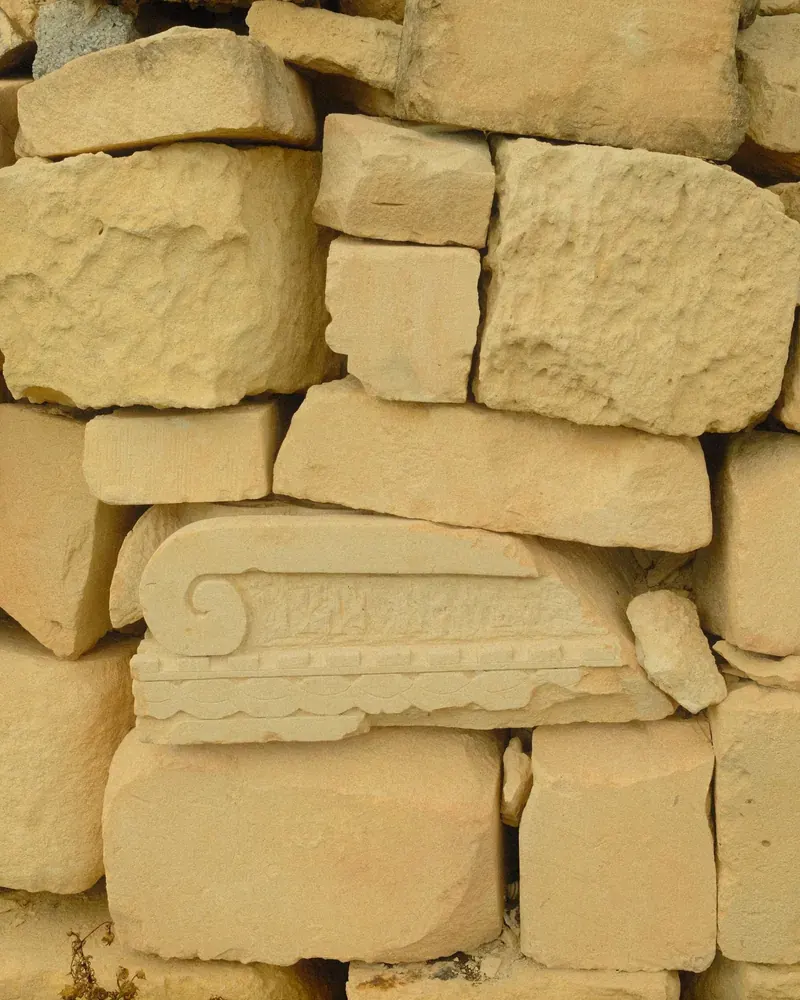
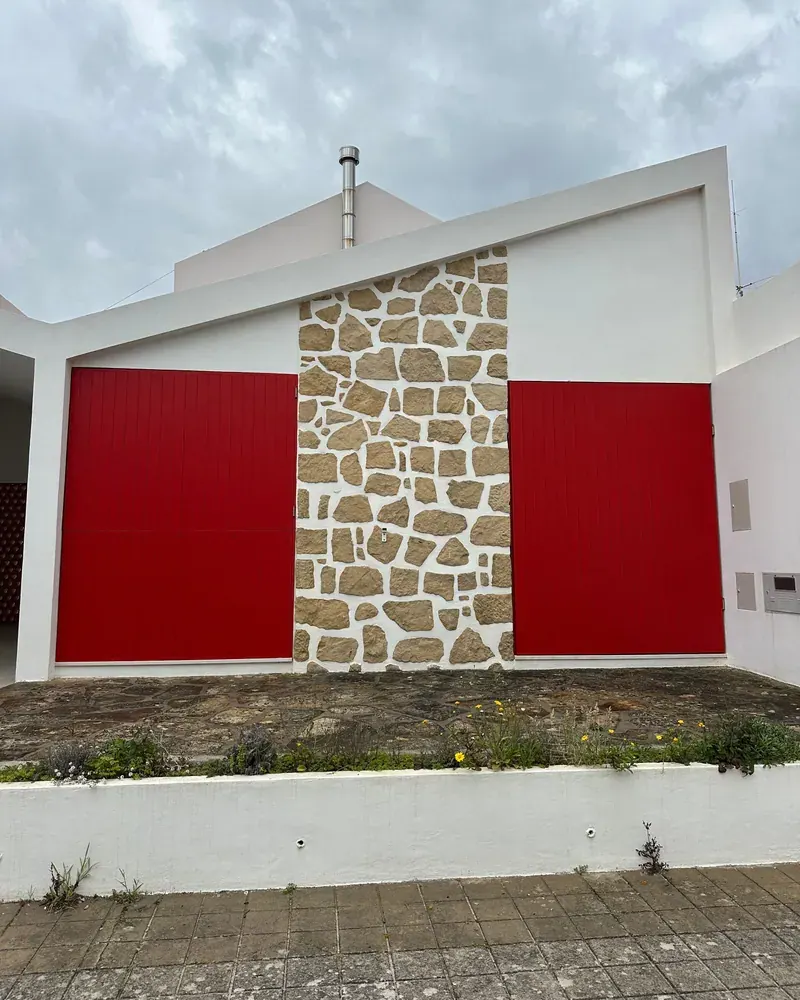
What the work covers
Wall prep, stone selection, cutting, bedding, pointing and a clean handover from start to finish.

Wall survey and levelling
Wall condition assessed and levelled before any stone is bedded.
Stone grading and selection
Hashemi panels sorted by tone, thickness and face quality before installation.

Cutting and shaping panels
Panels cut to fit corners, openings and edge details without breakage.
Bedding stone in mortar
Panels bedded in sulphate-resistant mortar with full contact behind every stone.
Pointing and joint sealing
Joints filled with matching mortar and sealed to block dust and moisture entry.

Surface treatment and handover
Impregnating sealer applied and facade cleaned before final handover.
Common mistakes with hashemi stone cladding
Wrong mortar mix for the stone
Standard mortar without sulphate resistance causes Hashemi panels to spall and white patches to appear.
Leaving out expansion gaps
Omitting expansion joints across long runs cracks Hashemi stone as summer temperatures push thermal movement.
Bedding damp or untreated stone
Laying freshly cut or wet panels before drying weakens bond and causes early detachment.
Wrapping openings without detailing
Skipping corner and frame detailing around windows leaves gaps where moisture and dust enter behind the stone.
What to sort out before you call
Measure the facade area
A rough total area in square metres helps produce an accurate quote faster.
Condition of existing cladding
Note whether old cladding or paint is present on the wall before installation begins.
Preferred stone tone and finish
Decide whether you want light or dark Hashemi stone and rough-split or semi-sawn face.
Access to the facade
Check whether the perimeter allows scaffolding or a lift platform for upper floors.
More in stone & facades.
What goes wrong with most finishing.
The finish is what you see every day, and its mistakes do not hide. These three are the most common.
 01
01A rushed finish
The finish is what you live with every day. Rushing it shows in every corner.
 02
02Four contractors for one finish
Tiling, gypsum, paint and aluminium crews who never talk to each other.
 03
03After-care that never comes
Once you have the keys, it is hard to find anyone to come back and fix what shows up.
The solution?
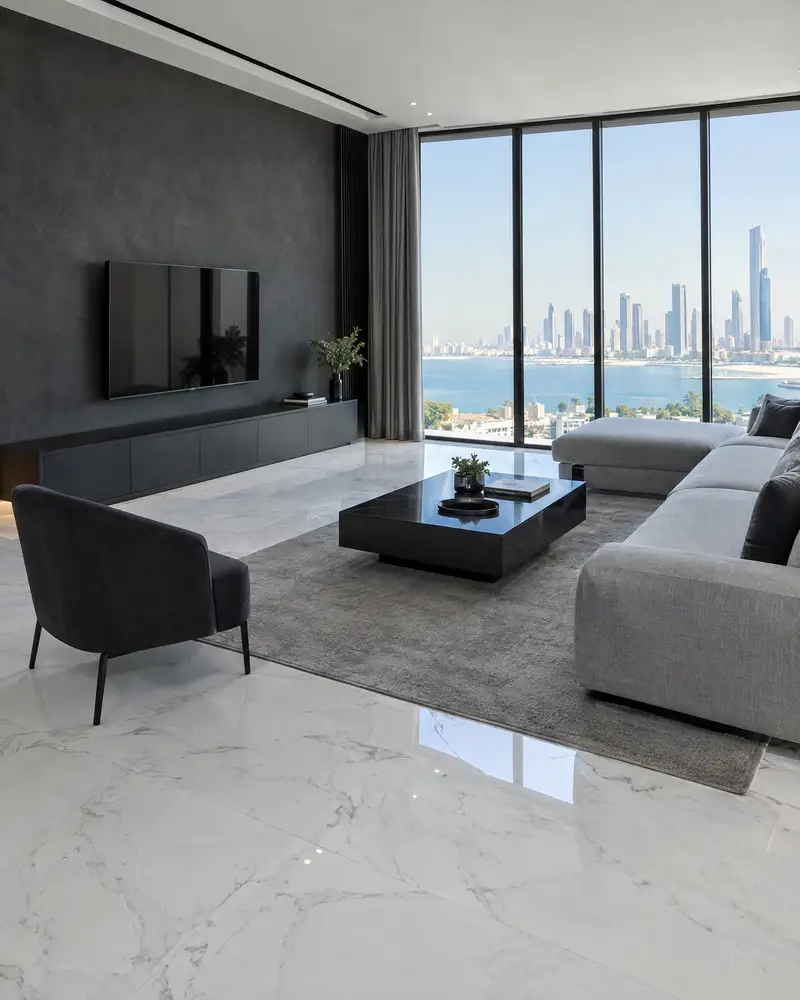
Full finishing, and maintenance after it, from one licensed company.
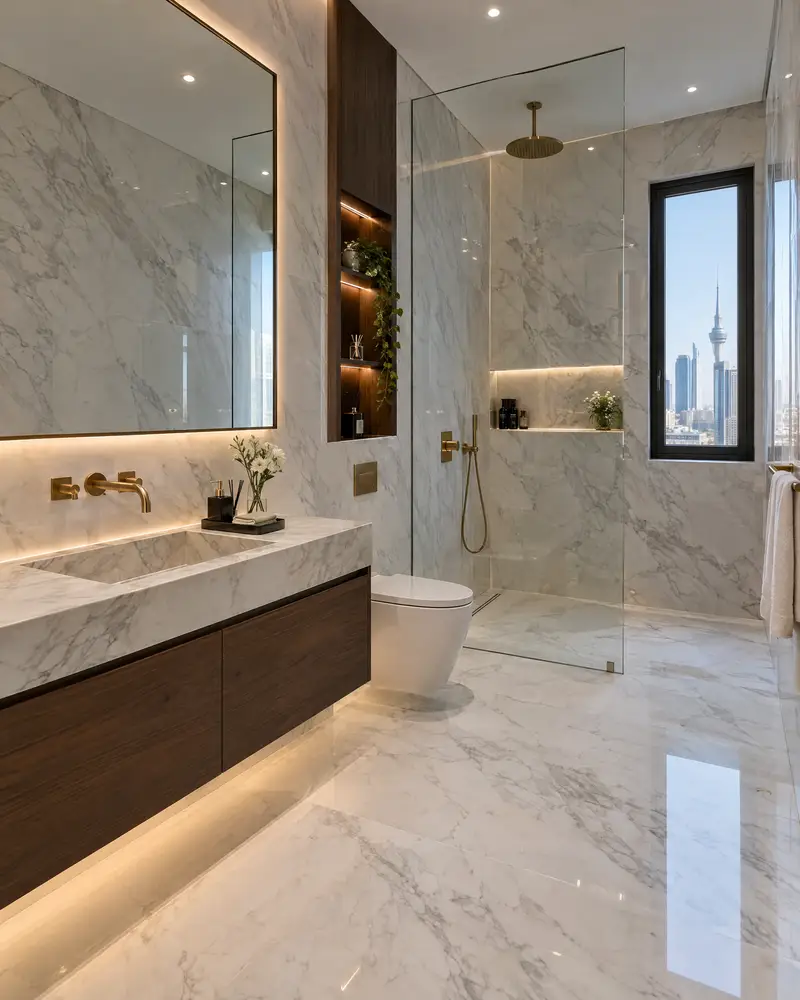
A rushed finishTurnkey finishing
Marble, tiling, gypsum and paint from one company.
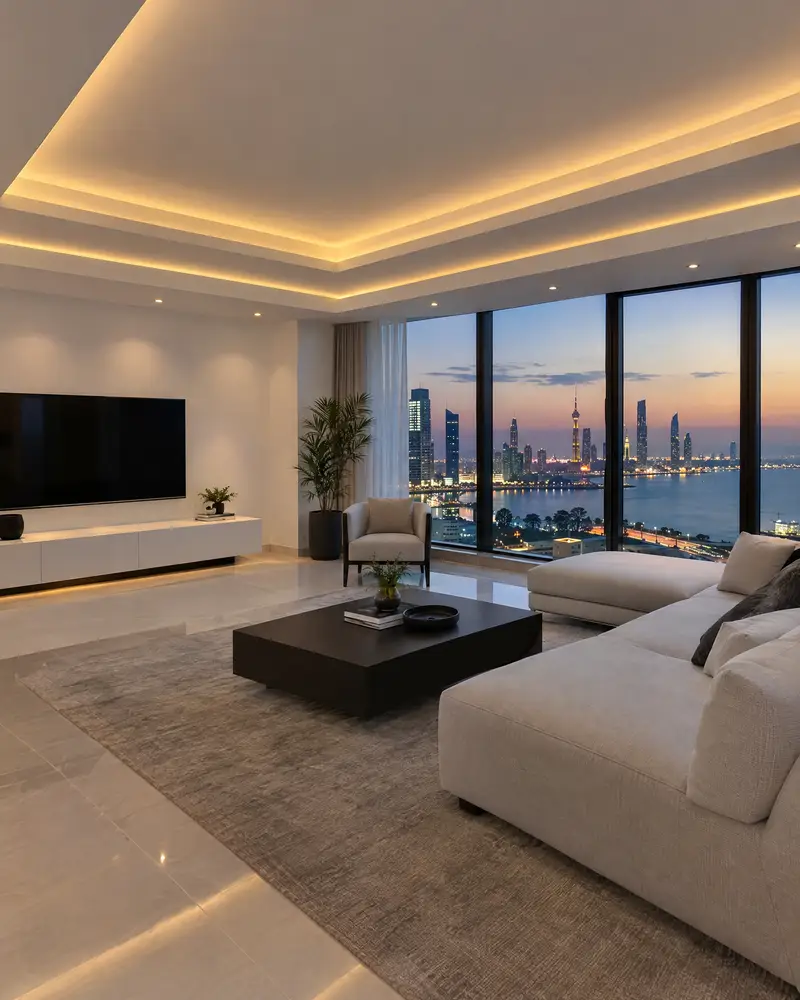
Four contractors for one finishOne company for every trade
No gaps between the tiler, the gypsum crew and the painter.
After-care that never comesRegular maintenance after handover
And finishing on instalments if you need it.
How it works.
First contact
Call or WhatsApp us to describe the facade and request a site visit.
Site survey
We measure the facade, check wall condition and assess any existing cladding.
Quote and stone selection
Detailed quote provided alongside stone samples for grade and tone selection.
Installation
Old cladding removed if needed, then stone bedded, pointed and sealed.
Inspection and handover
Bond, joints and surface checked, facade cleaned and formally handed over.
What sets the price.
No fixed rate applies because these factors together determine what the quote will be.
Get a quoteTotal cladding area
Total facade area in square metres is the largest single cost driver.
Stone grade and thickness
Hashemi panels vary in thickness and quality grade, affecting both price and fixing method.
Old cladding removal
Removing old render or cladding adds labour cost before new stone can be bedded.
Height and access method
Tall facades need scaffolding or a platform hoist, raising equipment and setup costs.
Corner and opening complexity
Multiple corners, arches and window reveals increase cutting time and stone wastage.
Why one contractor beats four.
Every extra contractor means another schedule and another excuse. With us, one company answers for all of it.
Turnkey
Shell and finishing with one company, from footings to keys.
Pay in instalments
Construction and finishing on instalments. Ask us for the details.
Engineering supervision
Architectural drawings and engineering supervision on site.
After handover
Maintenance contracts and a 24-hour emergency plumber.
A licensed Kuwaiti company for building construction, finishing, renovation and infrastructure works.
What our clients say.
See all reviews on GoogleExcellent
Taha Saad
Google review
Excellent
Ali Nadi
Google review
Hashemi stone cladding in Kuwait. We work across all six governorates of Kuwait: Capital, Hawalli, Farwaniya, Mubarak Al-Kabeer, Ahmadi, Jahra.
Official references: Kuwait Fire Force (safety requirements in finishing work)
Questions, answered.
Call nowWhat makes hashemi stone different from other natural stone on an exterior facade?
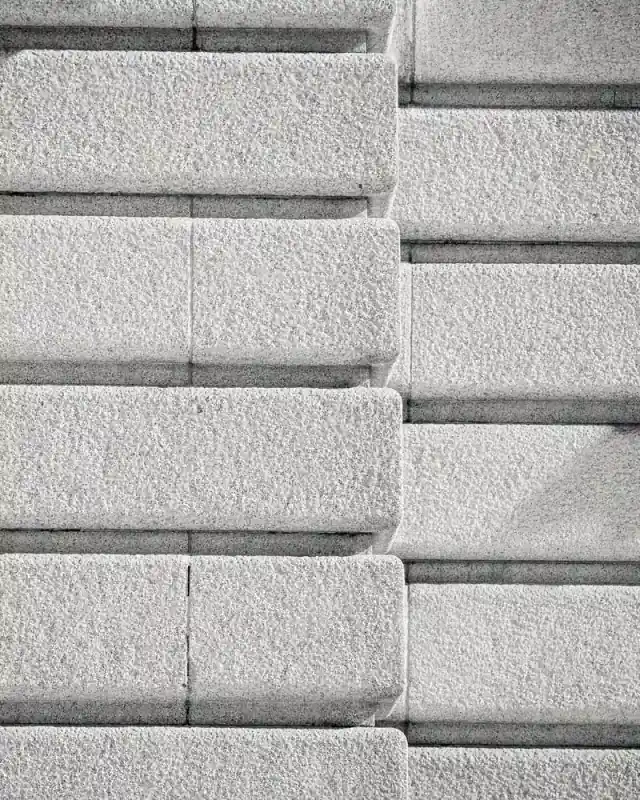
Hashemi stone has a hand-split rough face that gives strong texture and a traditional look. Its relatively greater thickness compared with sawn stones means it needs thicker mortar beds and wider expansion gaps to handle Kuwait's thermal movement.
Can hashemi stone be bedded directly onto concrete block without a bonding coat?
Not recommended. A smooth concrete or block wall needs a bonding slurry or roughened render coat so the mortar grips fully behind each Hashemi panel. Skipping this step weakens adhesion and raises the risk of panel detachment over time.
Why does hashemi stone darken unevenly after rain in coastal areas?
Coastal moisture enters through open or cracked joints and sits behind the stone, causing dark patches or salt bloom on the face. Sealing joints with flexible pointing and applying an impregnating sealer after installation prevents this.
Does installed hashemi stone cladding need periodic maintenance in Kuwait?
Yes. Fine dust builds up in the rough face and joints, and intense heat stresses pointing mortar over time. Periodic joint inspection, re-pointing where needed and re-application of an impregnating sealer keep the facade in good condition.
Can a new upper floor be clad in hashemi stone to match an existing older facade?
It is possible but requires close matching of stone tone, thickness and pointing style. Hashemi stone varies between quarry batches, so sourcing samples near the existing stone before ordering is the most reliable way to get a consistent result.
Licensed and registered in Kuwait.
Check us before you sign. This is our licence number and what it covers.
Find us on Google Maps