
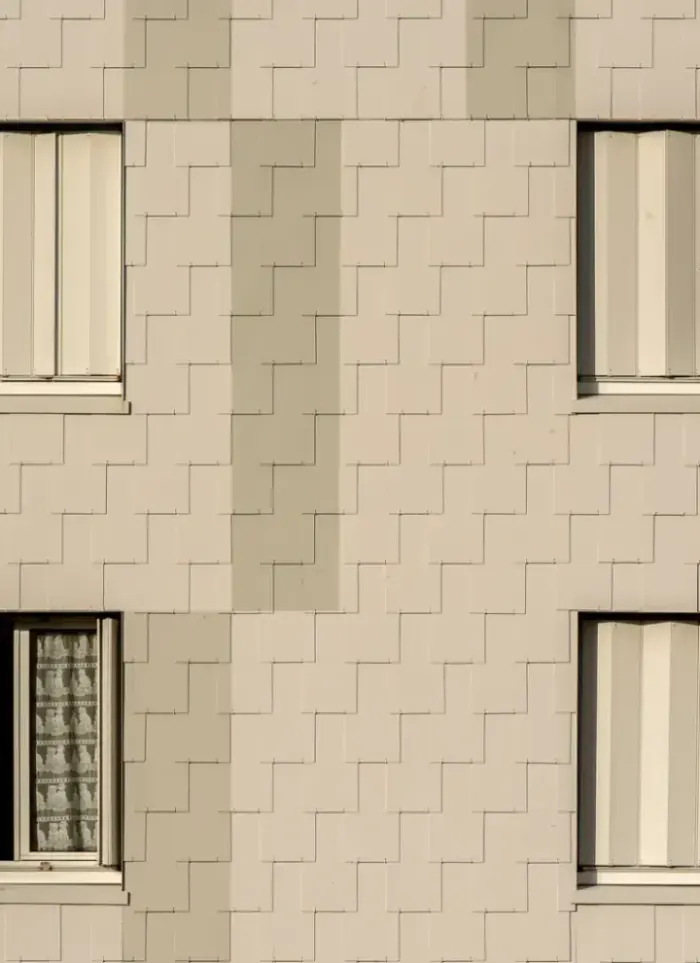
What the service covers
Facade design through to full stone cladding installation using the right fixing method for each stone type

Facade design
Visual and technical facade layout decided before work starts
Mechanical stone fixing
Stone anchored with metal brackets and fixings, not mortar alone

Natural stone cladding
Cut and profiled natural stone panels fixed to the facade
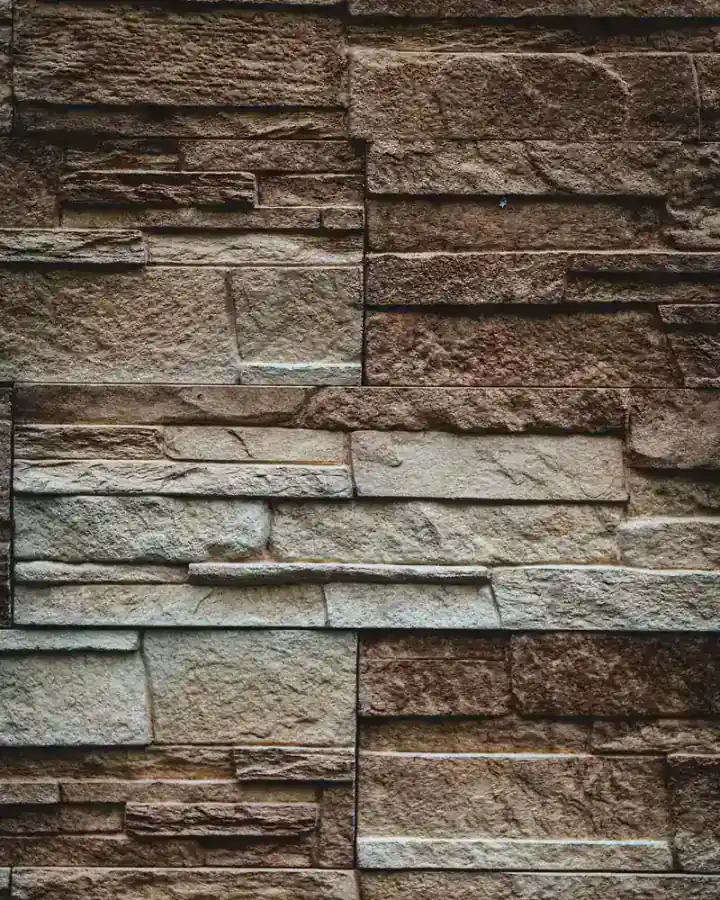
Hashemi stone cladding
Rough-textured Hashemi stone suited to Kuwaiti exterior facades
Pharaonic stone cladding
Chiselled-face Pharaonic stone adding a distinctive architectural character
Artificial stone cladding
Lightweight artificial stone panels for facades and interior accent walls
Signs your facade needs attention
Cracked or detached stone
Stone panels cracking or pulling away from the wall, with pieces coming loose
White salt staining on stone
White efflorescence forming on stone faces as salts migrate through from behind
Eroded pointing between stones
Pointing mortar between stones crumbling away and leaving open gaps
Rust streaks below fixings
Rust lines running down from fixing points signal corroded internal metal anchors
What to have ready before you call
Facade area measurement
Measure the height and width of each facade face you want clad
Stone type preference
Decide whether you want natural, Hashemi, Pharaonic or artificial stone
Existing wall condition
Check whether old cladding exists or whether the render surface is cracked
Access to the facade
Note whether the facade height requires scaffolding or a lift platform
Inside stone & facades.
How stone and facade works are done right
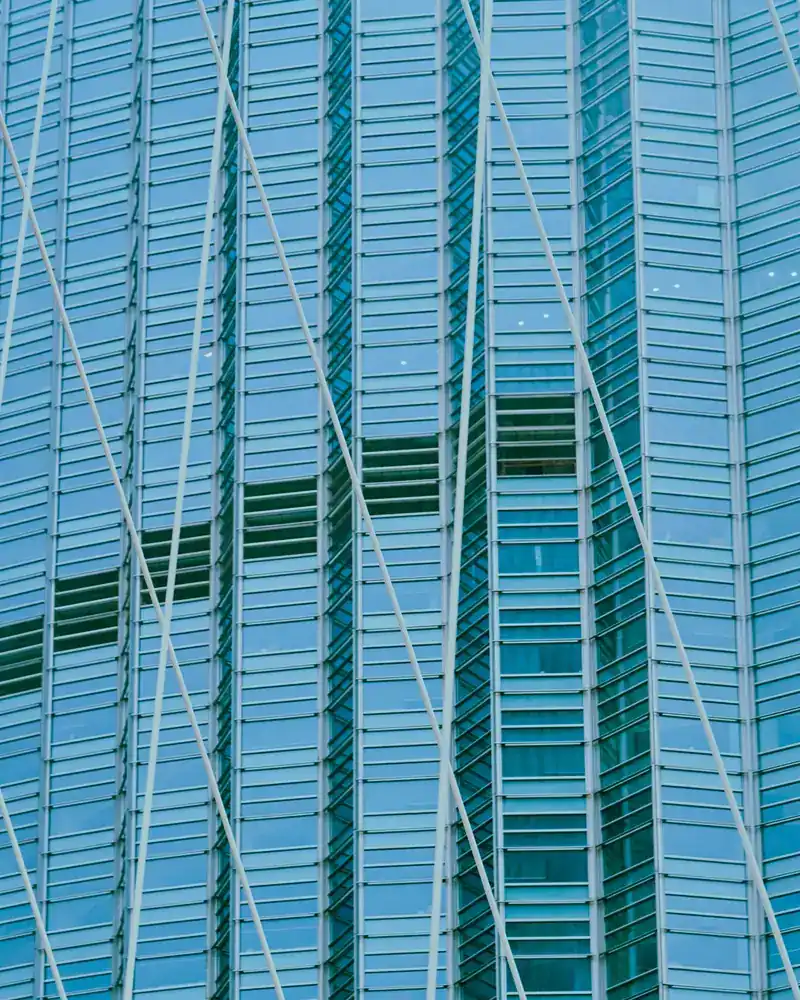
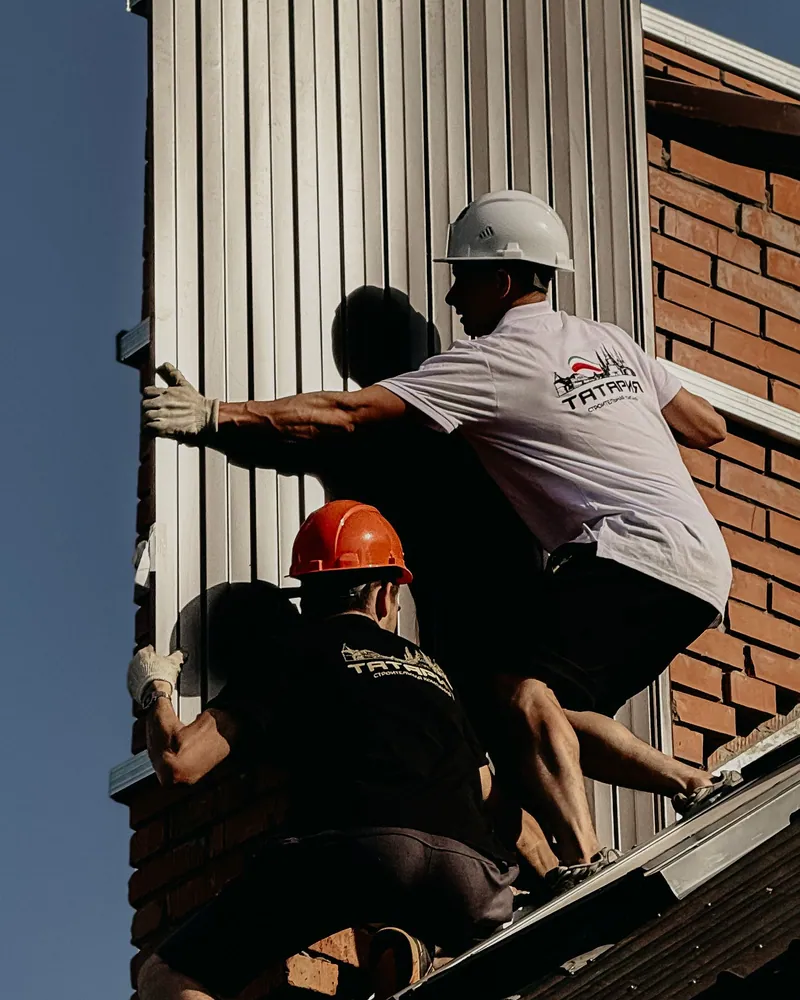
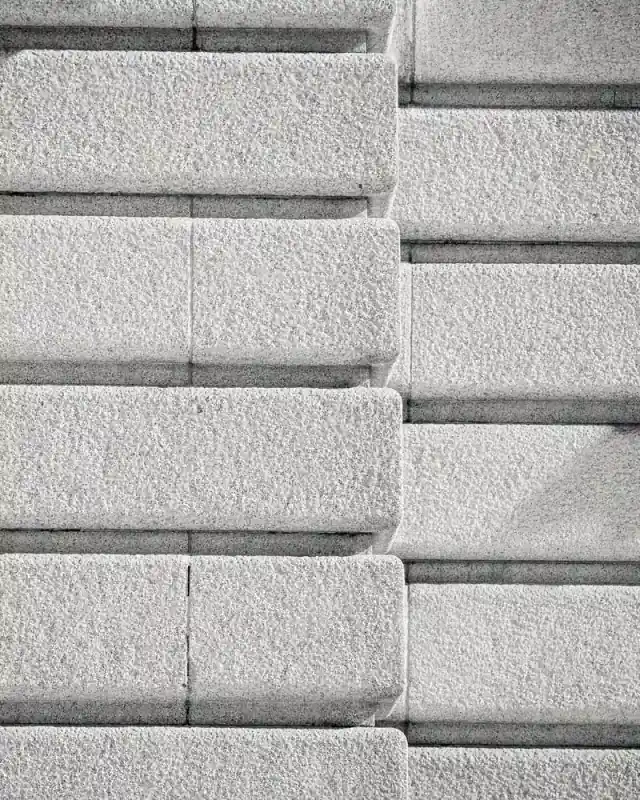
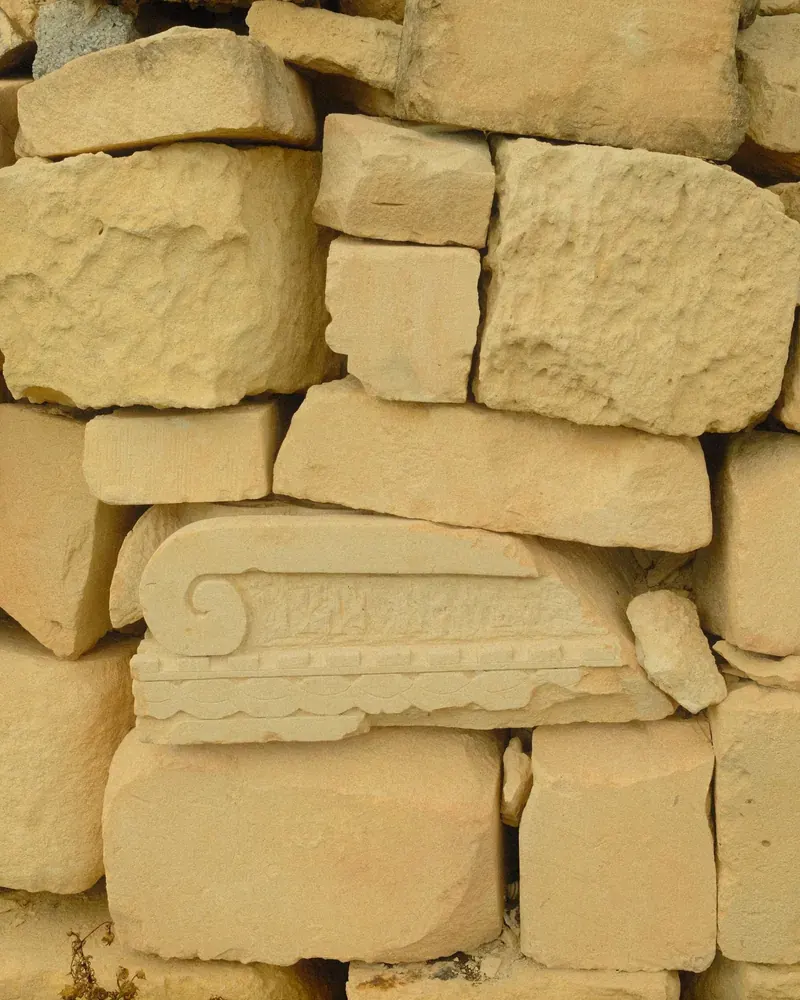
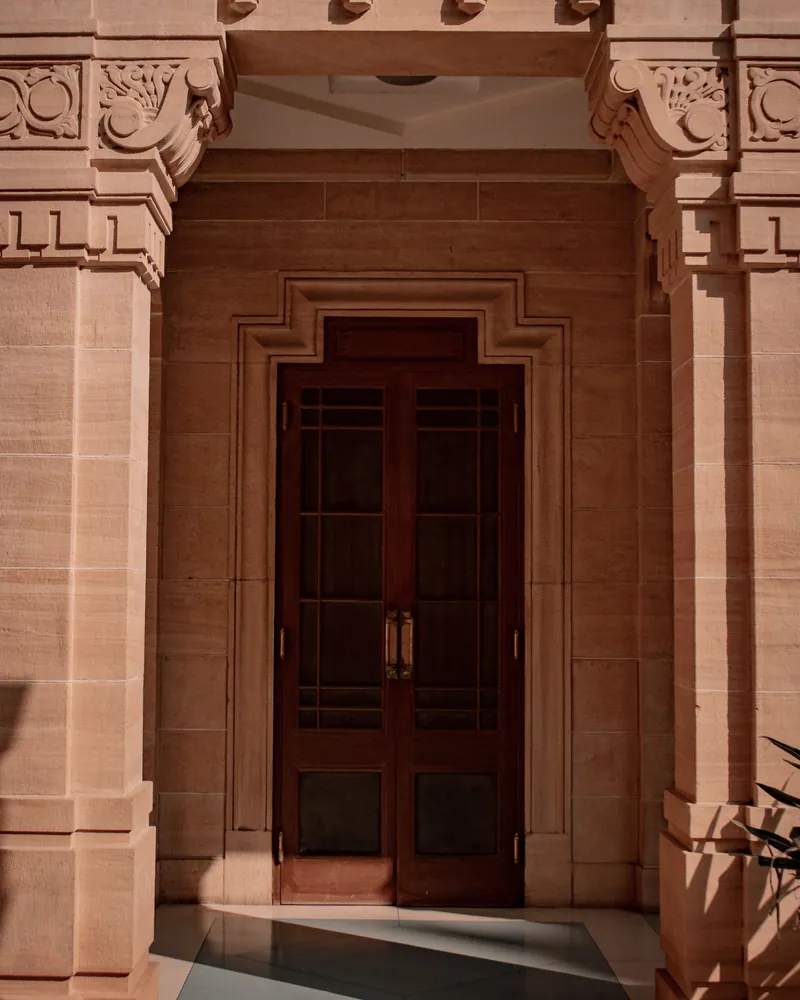
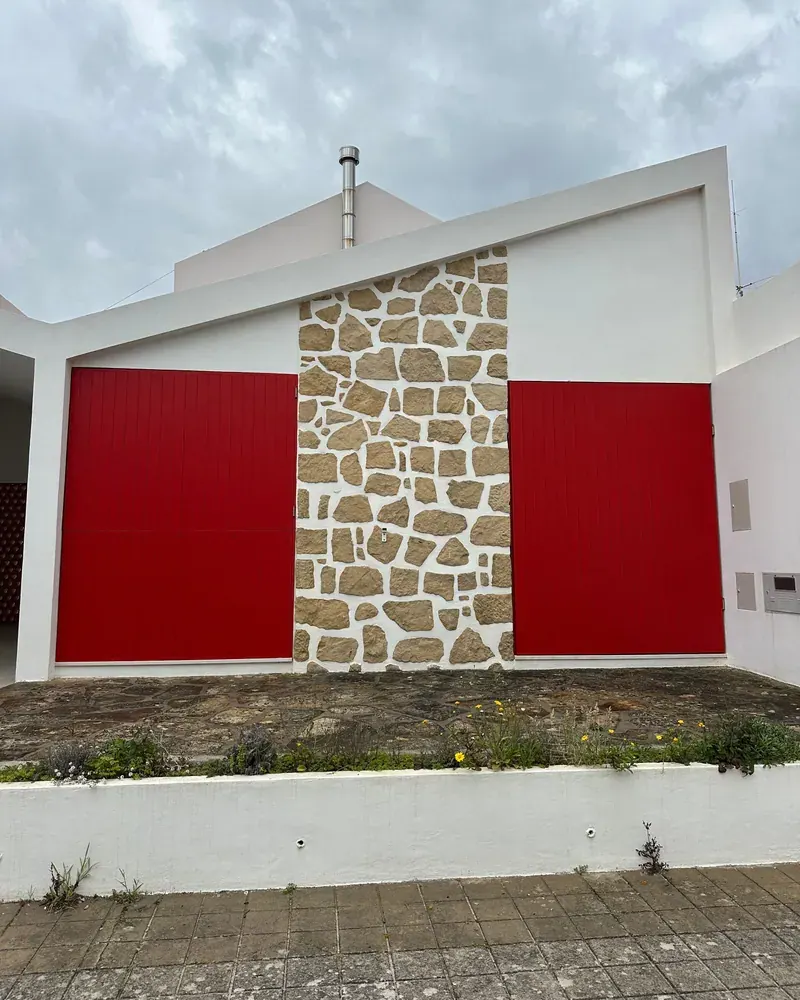
Facade work begins with a thorough check of the external wall for cracks, blown render and hidden moisture. When fixing natural, Hashemi or Pharaonic stone at height, mortar alone is not sufficient. Mechanical fixing with stainless-steel anchors and brackets is required to prevent panels working loose over time, particularly on taller buildings where wind load and thermal expansion put constant stress on the bond between stone and substrate.
Stone cladding in Kuwait faces intense heat that causes materials to expand and contract daily, alongside coastal salt humidity that works behind unprotected surfaces and attacks metal fixings. Artificial stone is a practical choice when dead load matters or when large interior accent walls are being clad. Rough-face Pharaonic and Hashemi stones have the advantage of masking the surface dust build-up that makes smooth facades look stained within weeks of cleaning.
After fixing, stone joints are pointed with mortar chosen to match the stone in colour and hardness, then treated with a water-repellent sealer that blocks salt migration and makes future cleaning practical. Each anchor embedment must be checked before any panel is set, and the supporting framework must be confirmed level at the start because any deviation multiplies with every successive course laid above it.
What goes wrong with most finishing.
The finish is what you see every day, and its mistakes do not hide. These three are the most common.
 01
01A rushed finish
The finish is what you live with every day. Rushing it shows in every corner.
 02
02Four contractors for one finish
Tiling, gypsum, paint and aluminium crews who never talk to each other.
 03
03After-care that never comes
Once you have the keys, it is hard to find anyone to come back and fix what shows up.
The solution?
Full finishing, and maintenance after it, from one licensed company.
A rushed finishTurnkey finishing
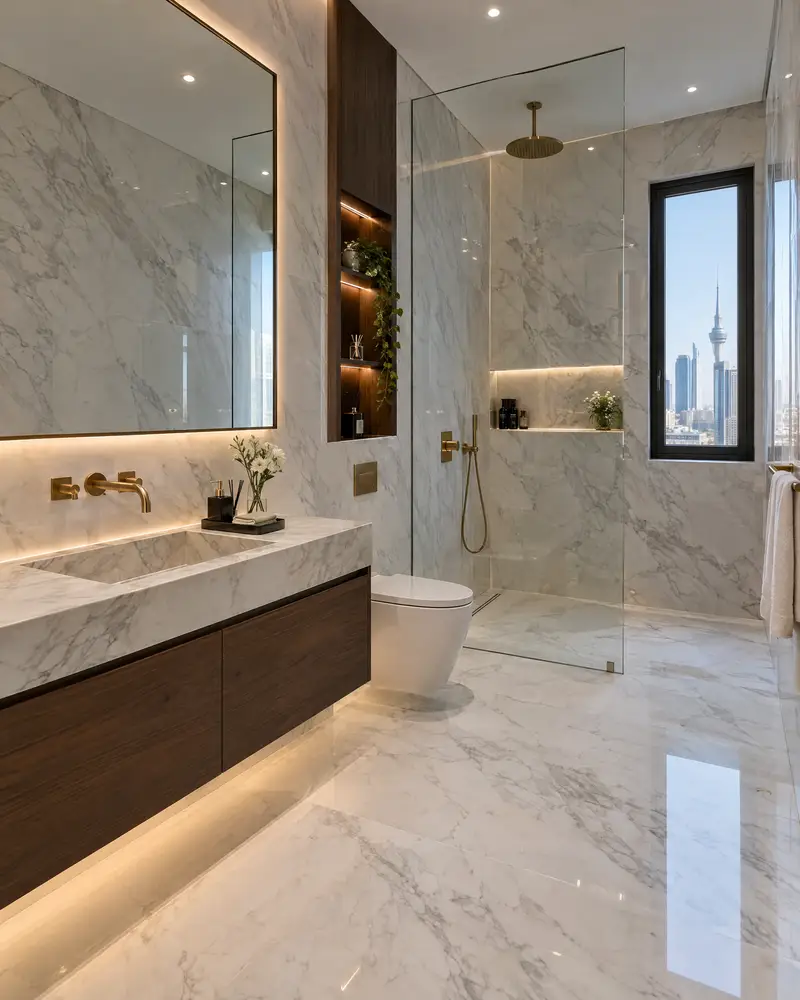
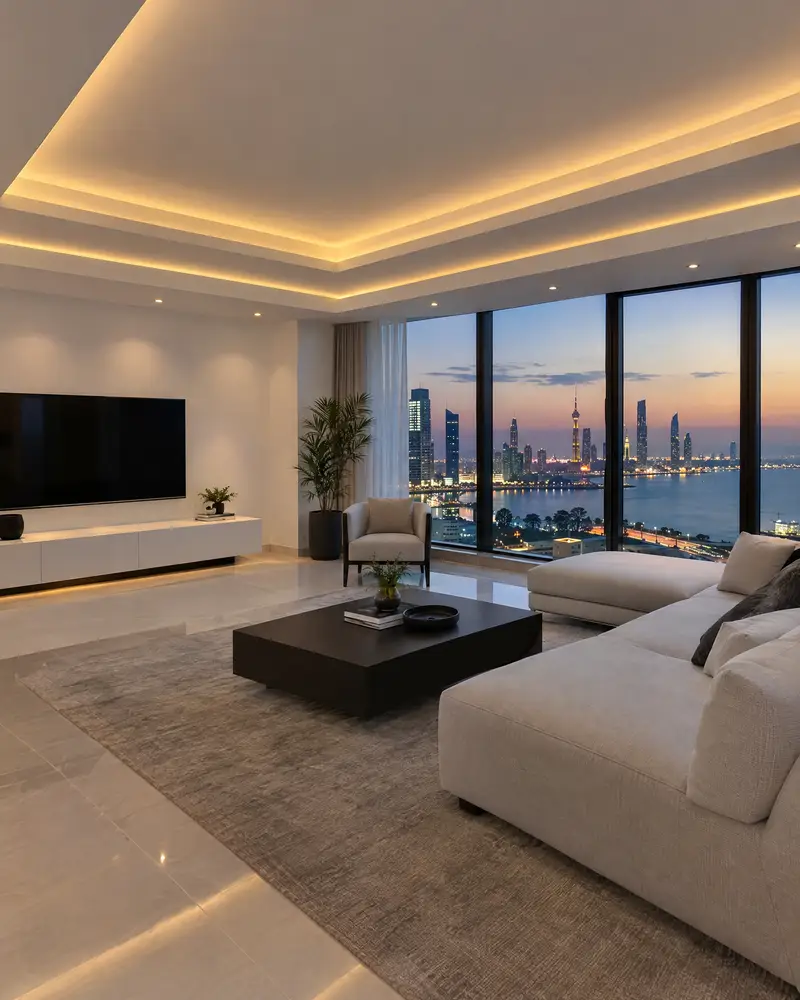
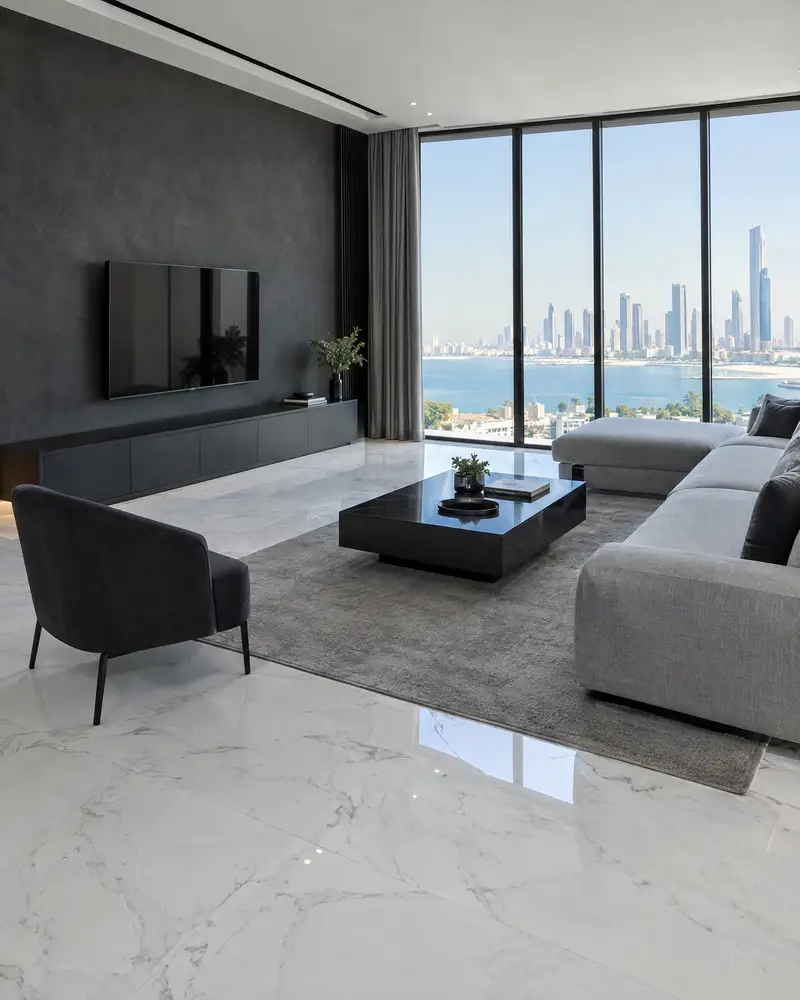
Marble, tiling, gypsum and paint from one company.
Four contractors for one finishOne company for every trade
No gaps between the tiler, the gypsum crew and the painter.
After-care that never comesRegular maintenance after handover
And finishing on instalments if you need it.
How it works.
Contact us
Call or WhatsApp to describe the facade and stone type needed
Site survey
We inspect the facade, take measurements and check the wall condition
Design and quote
We submit the facade design and a detailed price for approval
Fixing and installation
Stone is fixed, pointed and treated using the agreed method
Inspection and handover
Full facade inspection is done before final handover to the owner
What sets the price.
Several factors tied to the facade and stone type determine what the work costs
Get a quoteStone type and grade
Natural Hashemi and Pharaonic stone cost more than artificial stone
Total facade area
Larger cladding areas increase both material quantities and labour time
Fixing method required
Mechanical anchor fixing costs more than mortar-only adhesion
Old cladding removal
Stripping existing cladding adds time and cost before new work begins
Height and access needs
High facades need scaffolding or platforms that raise overall project cost
Why one contractor beats four.
Every extra contractor means another schedule and another excuse. With us, one company answers for all of it.
Turnkey
Shell and finishing with one company, from footings to keys.
Pay in instalments
Construction and finishing on instalments. Ask us for the details.
Engineering supervision
Architectural drawings and engineering supervision on site.
After handover
Maintenance contracts and a 24-hour emergency plumber.
A licensed Kuwaiti company for building construction, finishing, renovation and infrastructure works.
What our clients say.
See all reviews on GoogleExcellent
Taha Saad
Google review
Excellent
Ali Nadi
Google review
Stone & facades in Kuwait. We work across all six governorates of Kuwait: Capital, Hawalli, Farwaniya, Mubarak Al-Kabeer, Ahmadi, Jahra.
Official references: Kuwait Fire Force (safety requirements in finishing work)
Questions, answered.
Call nowCan stone be fixed directly over existing old render?
It depends on the condition of the existing render. If the surface is sound, free of cracks and properly bonded, fixing over it is possible. If the render is hollow, cracked or damp it must be removed first so the new cladding has a stable base.
What is the practical difference between hashemi and pharaonic stone?
Hashemi stone has a rough natural face in light tones that reflect sunlight. Pharaonic stone is mechanically chiselled to a regular pattern giving a sharper geometric texture. Both suit Kuwaiti exterior facades and both mask surface dust better than smooth stone.
Is artificial stone durable enough for an exterior facade in Kuwait?
Good-quality artificial stone holds up on exterior facades when fixed correctly with exterior-grade mortar. Its main advantage is low weight. It is less dense than natural stone and may be more prone to surface wear over time in humid coastal locations.
Why does pointing mortar between stone panels crack after a short time?
The main cause is Kuwait's extreme thermal cycling. Temperatures swing sharply between day and night, and rigid mortar cannot absorb the repeated expansion and contraction. Skipping expansion joints and using non-flexible pointing compound forces the movement stress directly into the mortar, cracking it.
Can stone cladding be added to an existing building without affecting the interior?
Yes. Stone cladding is applied to the exterior face of the wall and normally requires no interior access. Anchor fixings are drilled into the outer wall layer only, leaving internal finishes untouched.
Does exterior stone cladding need regular maintenance after installation?
Stone cladding does not need intensive maintenance but periodic cleaning to remove dust and salt deposits is worthwhile. Joints and fixings should be checked at intervals to catch any cracking or corrosion early before it spreads.
Licensed and registered in Kuwait.
Check us before you sign. This is our licence number and what it covers.
Find us on Google Maps