
Parquet installation services
Wood, vinyl and decorative parquet for floors, walls, stairs and kitchens across Kuwait.

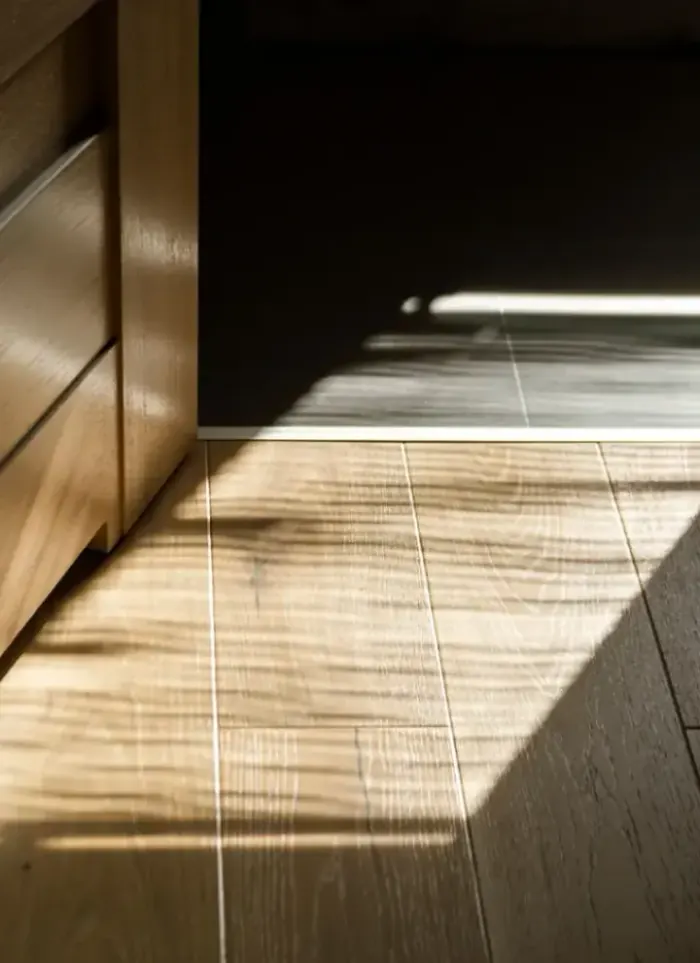
Wood parquet
Solid or engineered wood boards laid on a prepared level base.

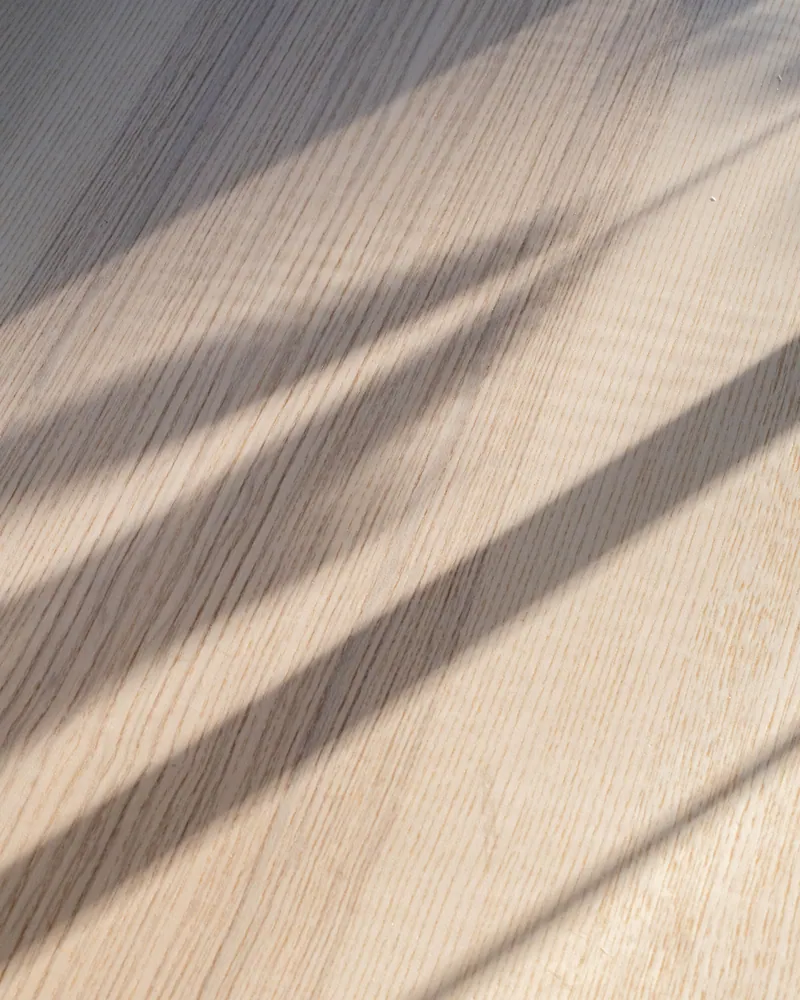
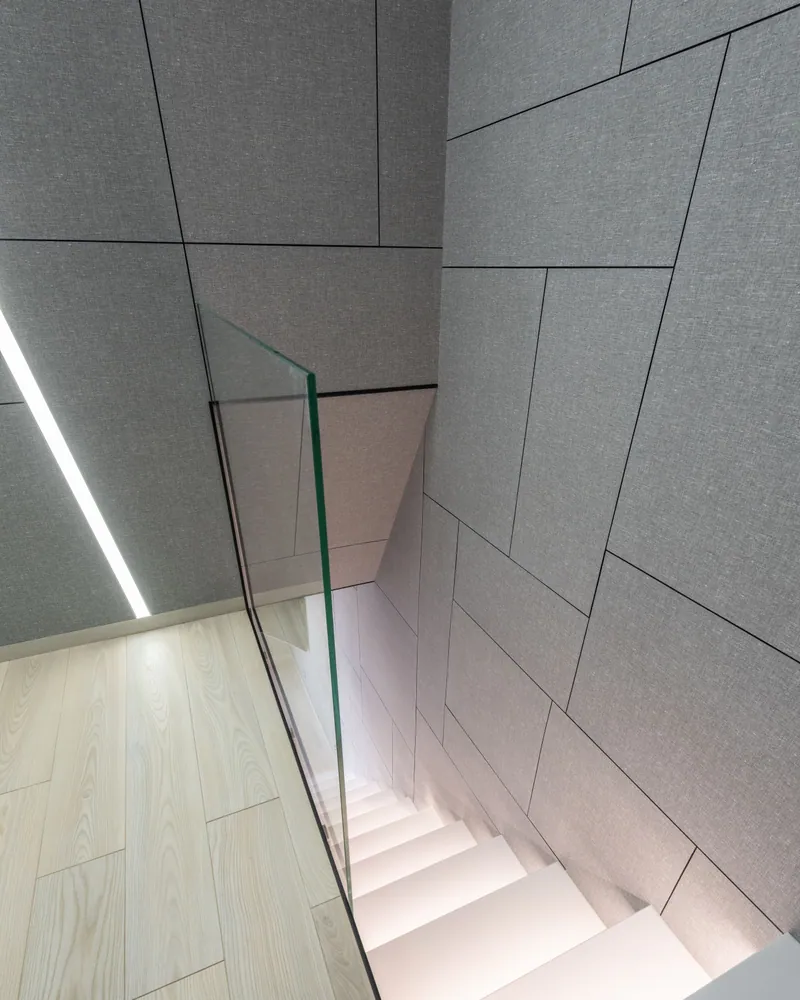
Stair parquet
Parquet on treads, risers and nosings with secure edge fixings.

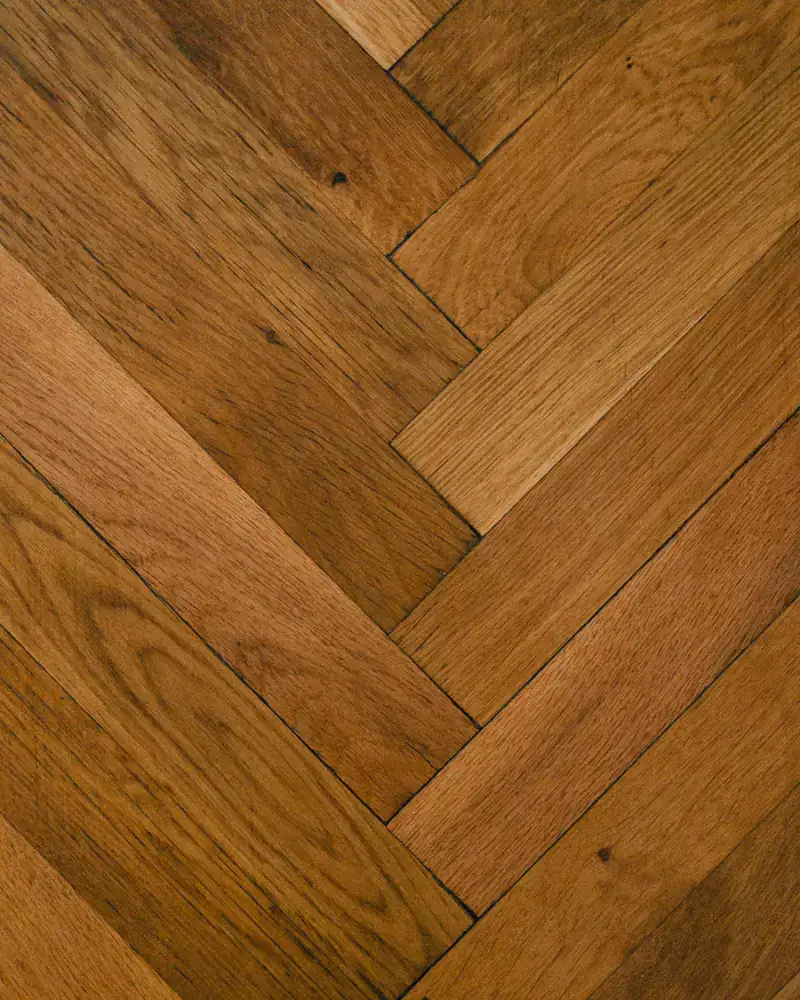
Herringbone parquet
Classic chevron pattern cut at precise angles for a tight finish.
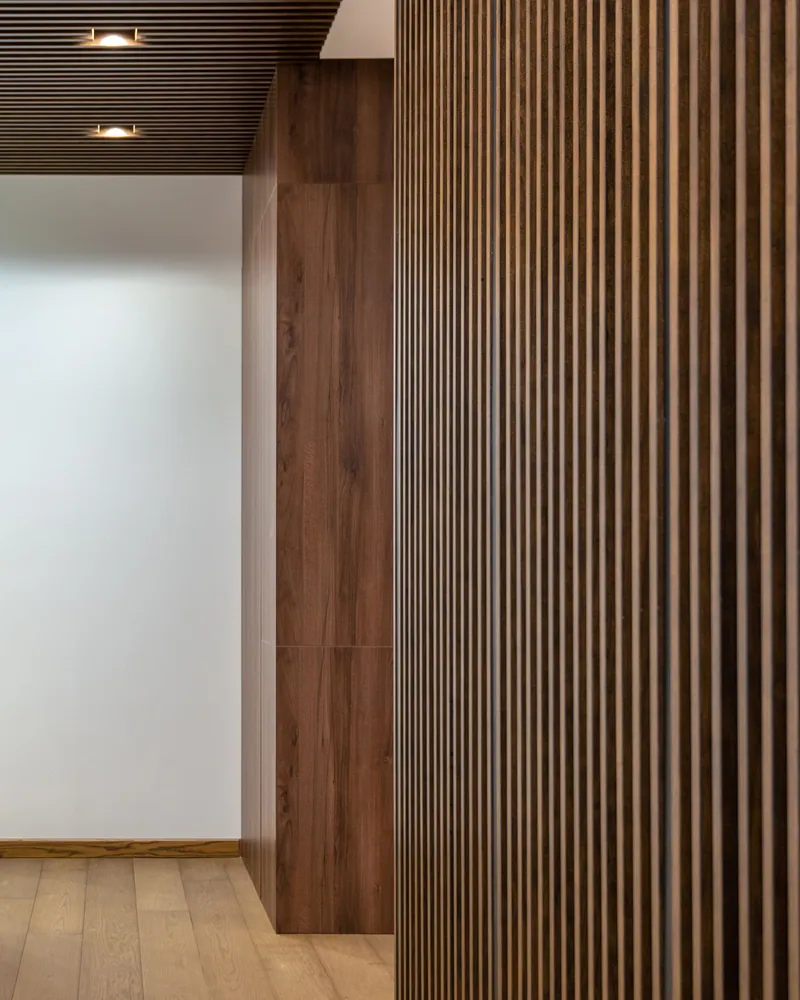
Wall parquet
Decorative wood boards bonded to interior walls as a feature finish.

Vinyl and SPC flooring
Rigid SPC vinyl planks, moisture-resistant and suited to high-traffic areas.
Skirting and kitchen parquet
Wall skirting installation and kitchen-grade parquet with sealed joints.
Materials and methods used
Engineered wood boards
Cross-ply core resists the high expansion and contraction caused by Kuwait's temperature swings between summer and winter.
Rigid SPC vinyl
Stone-plastic composite core is fully waterproof, making it reliable under kitchen splashes and covered outdoor areas.
Flexible parquet adhesive
Elastic bond absorbs floor movement and prevents plank lifting under intense heat.
Foam underlayment
Thin foam layer cushions sound, compensates for minor substrate dips, and protects floating floors from moisture transfer.
Before you call, check these
Substrate flatness
Any dip or hump over a short span needs levelling compound before boards go down.
Moisture from below
Ground-floor slabs in Kuwait can carry residual moisture; confirm there is no rising damp first.
Parquet type and pattern
Decide on layout pattern and material type before the visit so samples can be brought along.
Furniture and fitted items
Heavy furniture or built-in units need to be cleared before installation can begin.
Inside parquet installation.
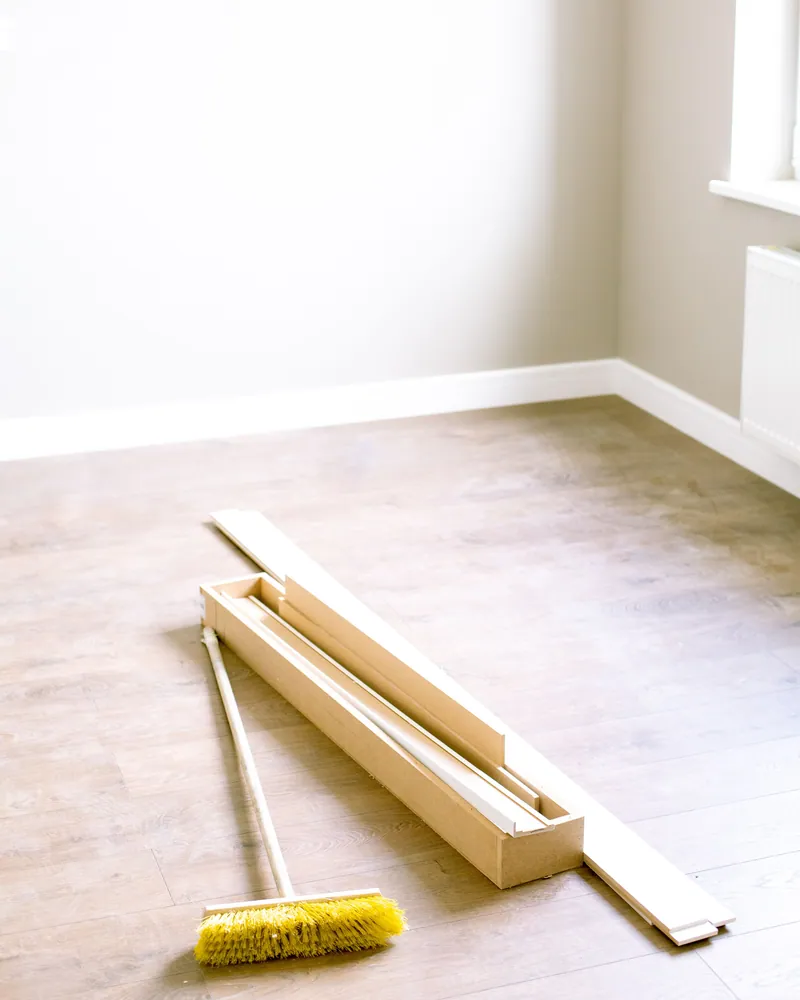
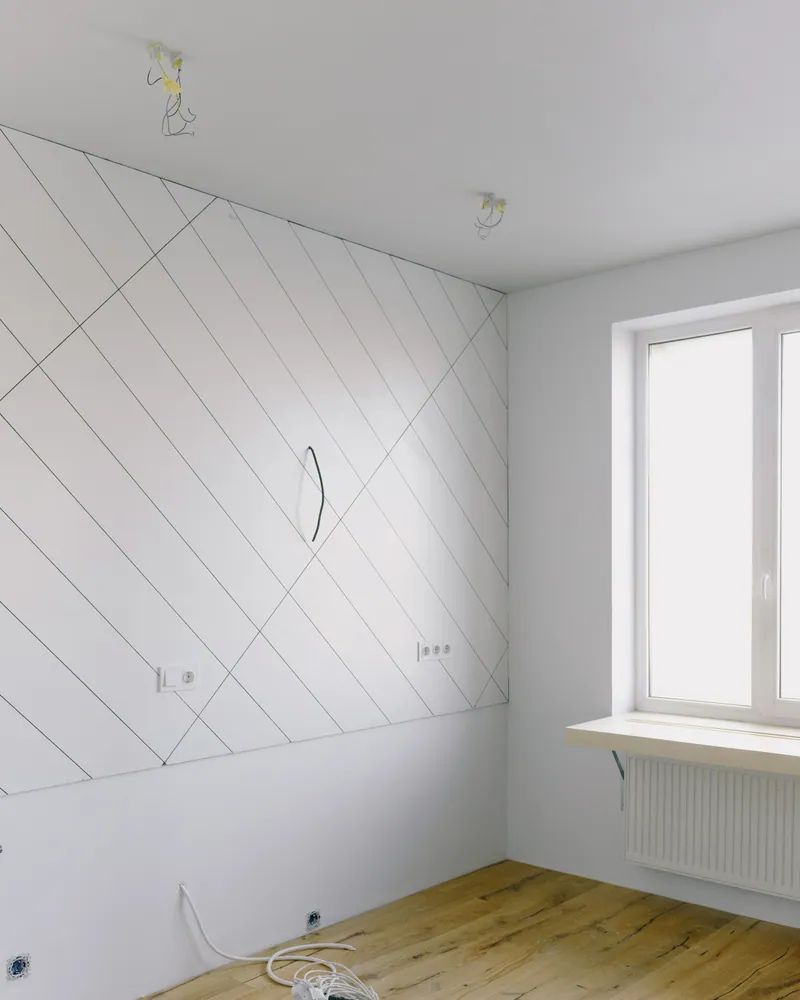
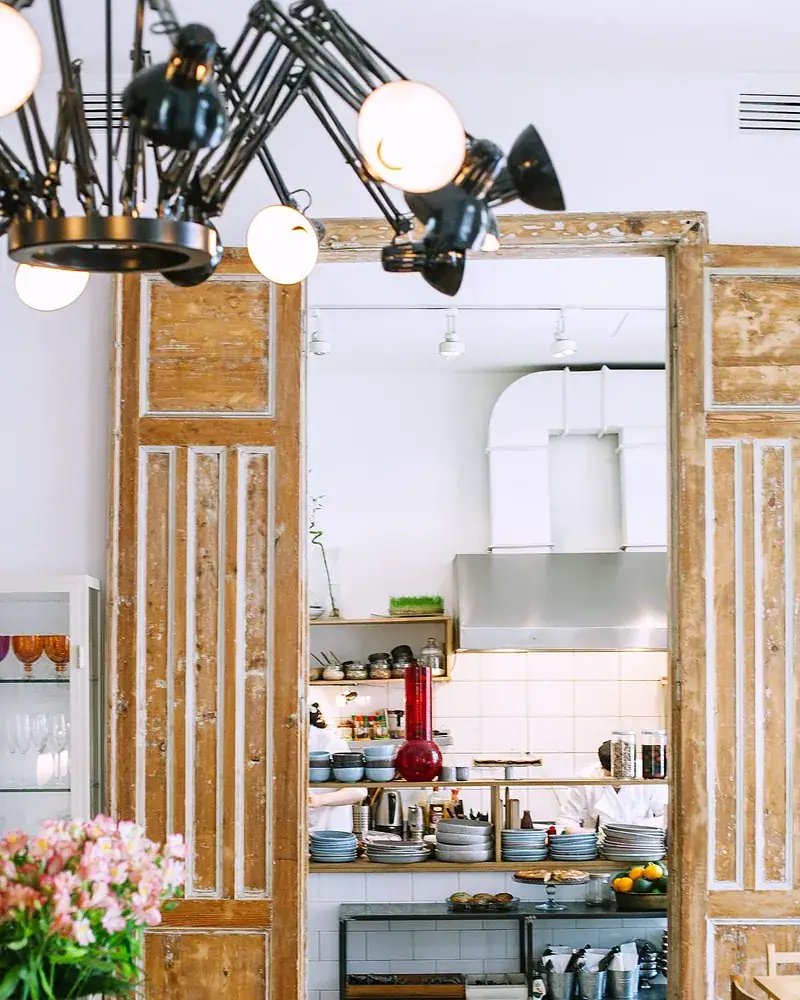
How parquet installation is done right in Kuwait
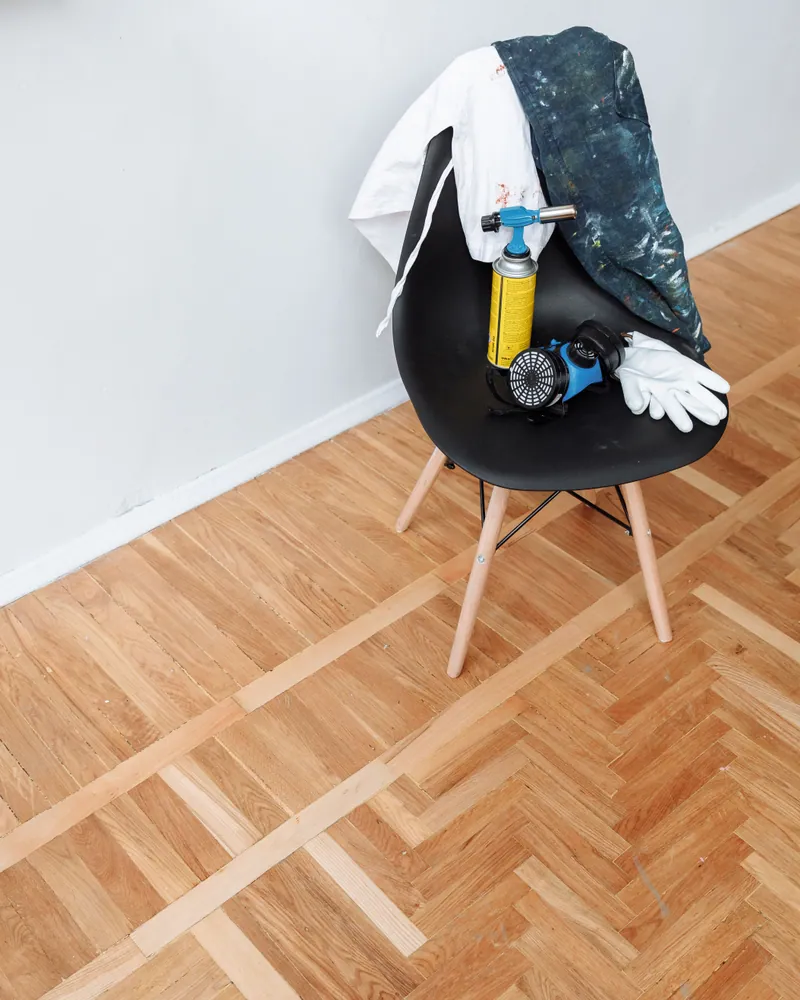
Before any board is laid, the substrate is checked with a straightedge and a moisture meter. High-calcium sand-cement screeds common in Kuwaiti villas can hide moisture pockets, and even small high spots cause hollow spots and creaking once the floor is loaded. Self-levelling compound fills dips, and a plastic vapour barrier is placed on ground-floor slabs before the underlayment goes down. Skipping either step is the most common reason parquet fails within a single season.
Kuwait's climate forces wood to expand in summer and contract in cooler months, so perimeter expansion gaps are left at all walls, door frames and fixed obstacles before skirting covers them. Herringbone layouts need a measured centre-line set out from the middle of the room before the first piece is cut, because an angular error multiplies across every subsequent row. Flexible adhesive is chosen over rigid types for glue-down installations because it lets the floor move slightly without releasing the bond.
Kitchen parquet and stair installations each carry extra requirements. In kitchens, SPC vinyl with factory-sealed edges is the practical choice, and joints near the sink and appliances are sealed to stop water wicking underneath. Stair treads receive special nosing profiles fixed with concealed metal clips so the edge does not chip under foot traffic. The full floor is tapped after installation to find any hollow boards, and wide joints are re-examined before the space is handed back for use.
What goes wrong with most finishing.
The finish is what you see every day, and its mistakes do not hide. These three are the most common.
 01
01A rushed finish
The finish is what you live with every day. Rushing it shows in every corner.
 02
02Four contractors for one finish
Tiling, gypsum, paint and aluminium crews who never talk to each other.
 03
03After-care that never comes
Once you have the keys, it is hard to find anyone to come back and fix what shows up.
The solution?
Full finishing, and maintenance after it, from one licensed company.
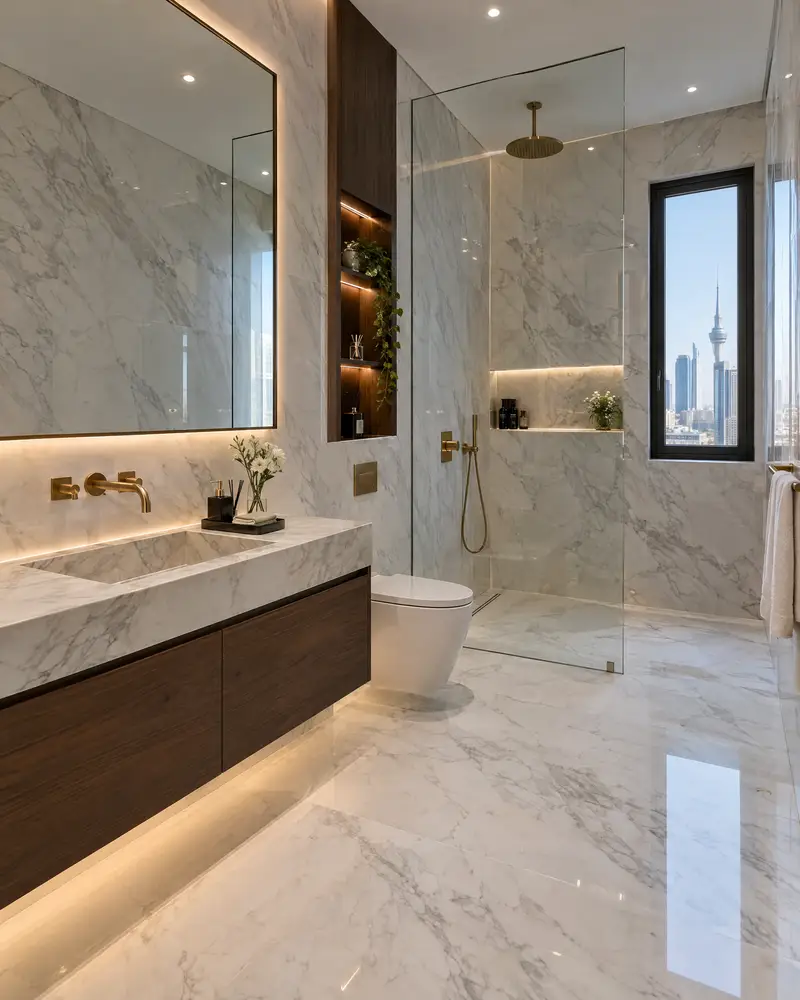
A rushed finishTurnkey finishing
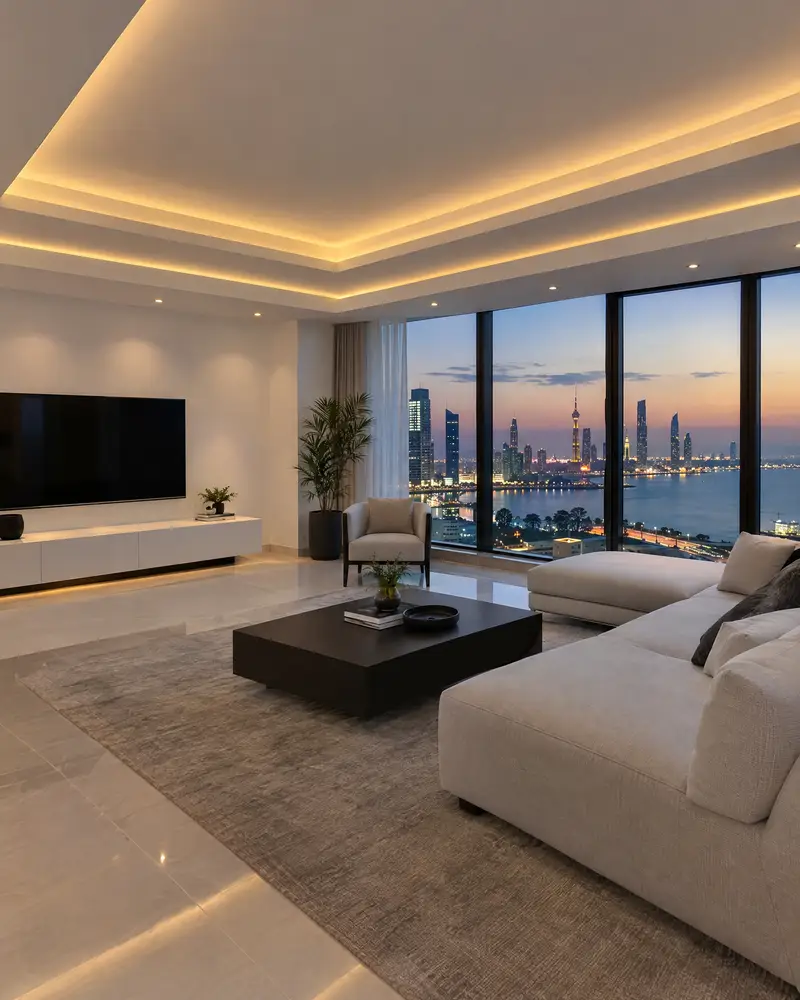
Marble, tiling, gypsum and paint from one company.
Four contractors for one finishOne company for every trade
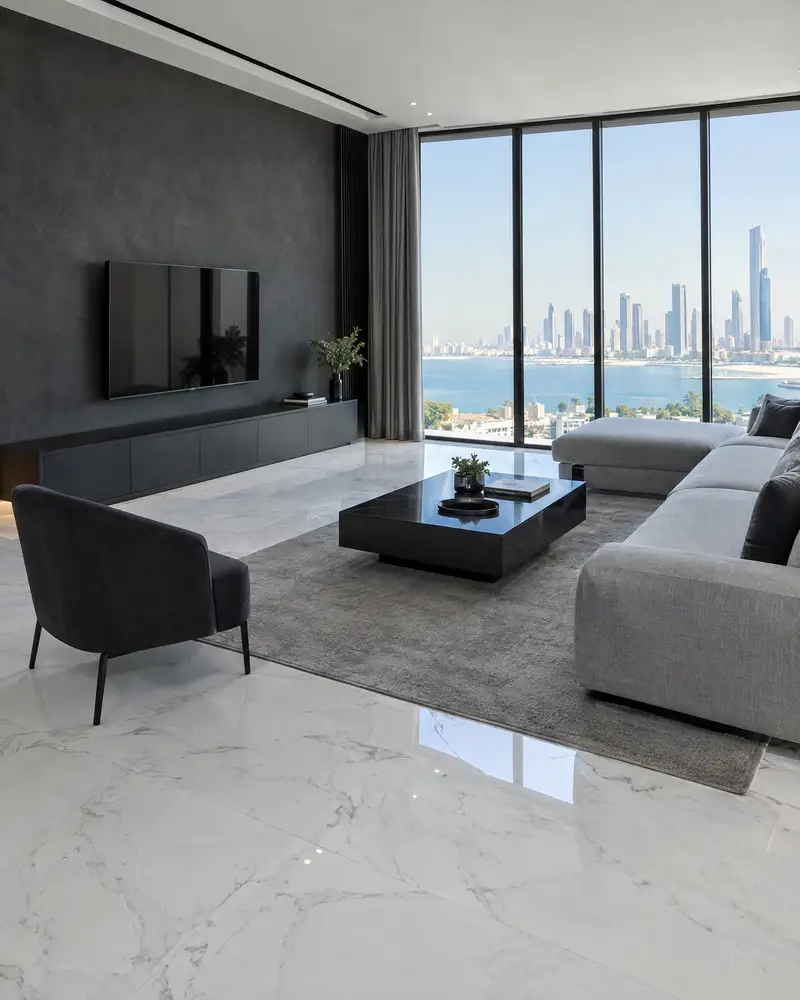
No gaps between the tiler, the gypsum crew and the painter.
After-care that never comesRegular maintenance after handover
And finishing on instalments if you need it.
How it works.
Call or whatsApp
Describe the space, parquet type and any pattern preference.
Site survey
We measure the area and check substrate flatness and moisture.
Material selection
Samples and layout patterns are shown before materials are ordered.
Preparation and install
Base is levelled, then boards, nosings and skirting are fitted.
Check and handover
Every board is tapped and joints inspected before final handover.
What sets the price.
Pricing is shaped by material type, total area, substrate condition and pattern complexity.
Get a quoteParquet type and material
Solid wood costs more than engineered wood or SPC vinyl plank.
Installation area
Total square metres covered is the primary driver of overall cost.
Substrate preparation
Removing old flooring or applying levelling compound adds to the base price.
Pattern complexity
Herringbone and angled layouts take more labour and generate more offcuts.
Stairs and details
Stair treads, skirting and edge trims are priced separately from flat floors.
Why one contractor beats four.
Every extra contractor means another schedule and another excuse. With us, one company answers for all of it.
Turnkey
Shell and finishing with one company, from footings to keys.
Pay in instalments
Construction and finishing on instalments. Ask us for the details.
Engineering supervision
Architectural drawings and engineering supervision on site.
After handover
Maintenance contracts and a 24-hour emergency plumber.
A licensed Kuwaiti company for building construction, finishing, renovation and infrastructure works.
What our clients say.
See all reviews on GoogleExcellent
Taha Saad
Google review
Excellent
Ali Nadi
Google review
Parquet installation in Kuwait. We work across all six governorates of Kuwait: Capital, Hawalli, Farwaniya, Mubarak Al-Kabeer, Ahmadi, Jahra.
Official references: Kuwait Fire Force (safety requirements in finishing work)
Questions, answered.
Call nowCan parquet be laid over existing ceramic or porcelain tiles?
Yes, if the existing tiles are all firmly bonded and the floor level allows for the added height. Floating boards are the practical choice here because no adhesive is needed and no demolition disturbs the tile below.
Why do parquet boards lift or creak after a short time?
The most common causes are insufficient expansion gaps at walls, moisture trapped under the boards, or an uneven base. In Kuwait the seasonal temperature range is wide enough that boards with no expansion room will buckle noticeably every summer.
Is parquet a practical choice for a kitchen in Kuwait?
Solid or engineered wood is not ideal in a kitchen because of moisture and grease splatter. Rigid SPC vinyl gives the same visual effect with a waterproof core and sealed surface that handles kitchen conditions without swelling or staining.
What is the difference between floating and glue-down parquet?
Floating boards click together without adhesive and can be replaced individually. Glue-down is bonded directly to the substrate and is preferred for large open areas or where maximum stability is needed, but it requires a very flat, clean base to bond correctly.
How often does solid wood parquet need sanding and refinishing in Kuwait?
There is no fixed schedule; wear patterns and the depth of surface scratches are the real guide. High-traffic hallways and living rooms wear faster than bedrooms. Engineered wood has a thinner wear layer than solid wood, which limits how many times it can be re-sanded.
Can wall parquet be installed in a living room or majlis?
Yes, wood wall cladding is a popular feature in Kuwaiti majlis and reception areas. Boards are bonded and pin-nailed to a level wall, with timber frame mouldings at the borders to finish the edges cleanly and give the panel a structured appearance.

Licensed and registered in Kuwait.
Check us before you sign. This is our licence number and what it covers.
Find us on Google Maps