
What this service covers
Block wall work for every part of a Kuwaiti property, inside and out
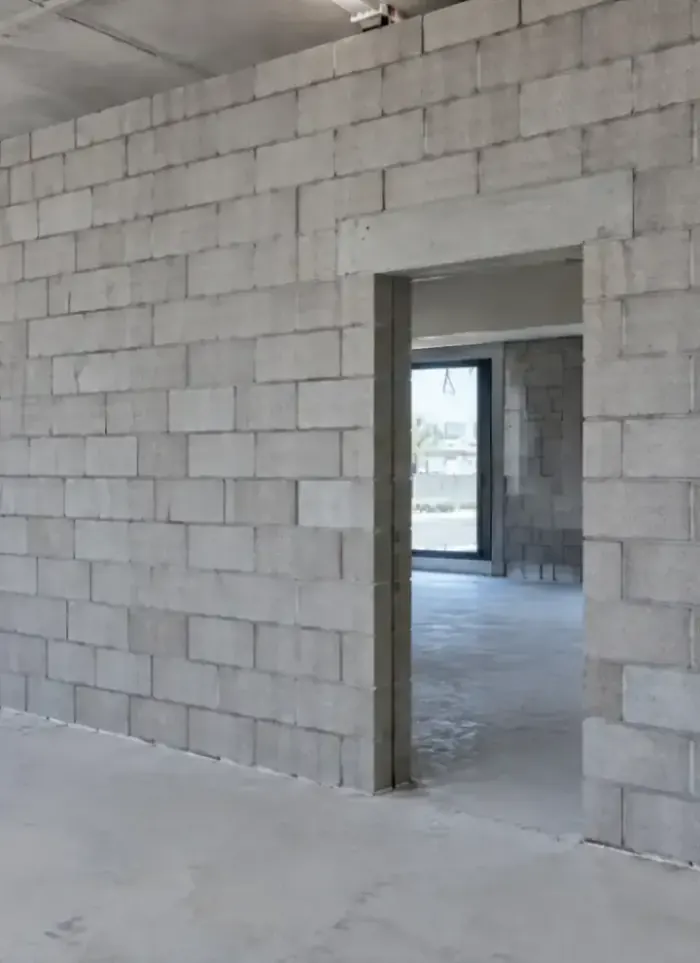
Interior wall building
Dividing interior spaces with block walls to required sizes and heights

Block boundary wall
Full perimeter wall with tie columns and footings suited to soil conditions
Block fence
Separating a courtyard or garden with a low or medium-height wall

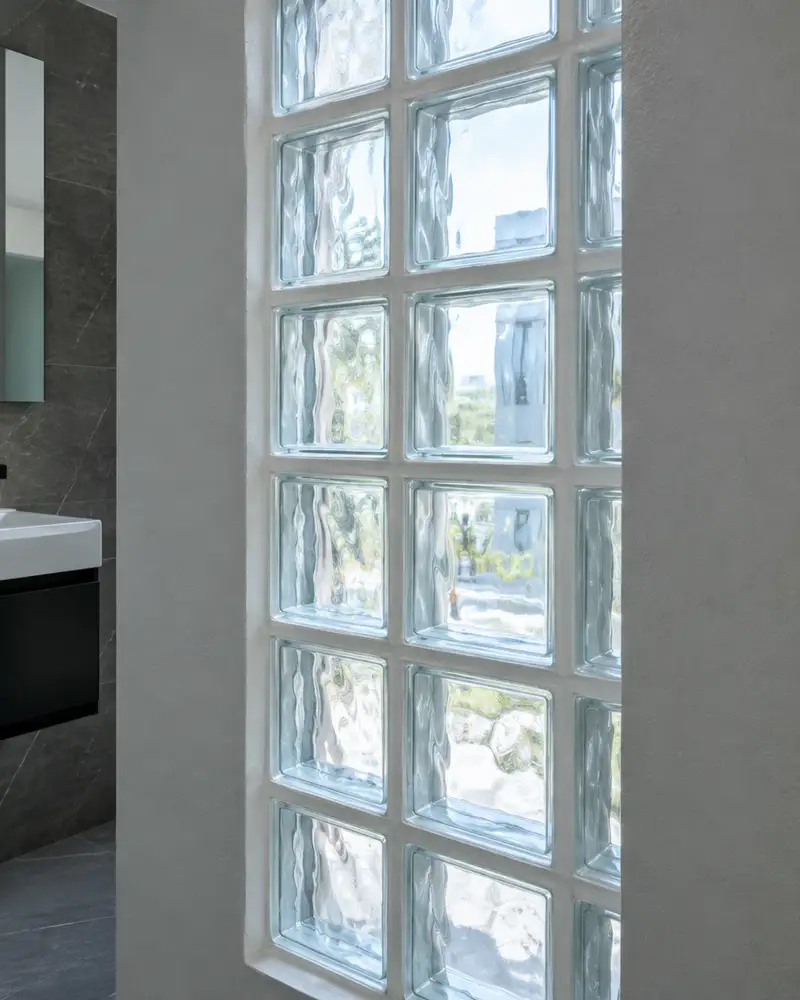
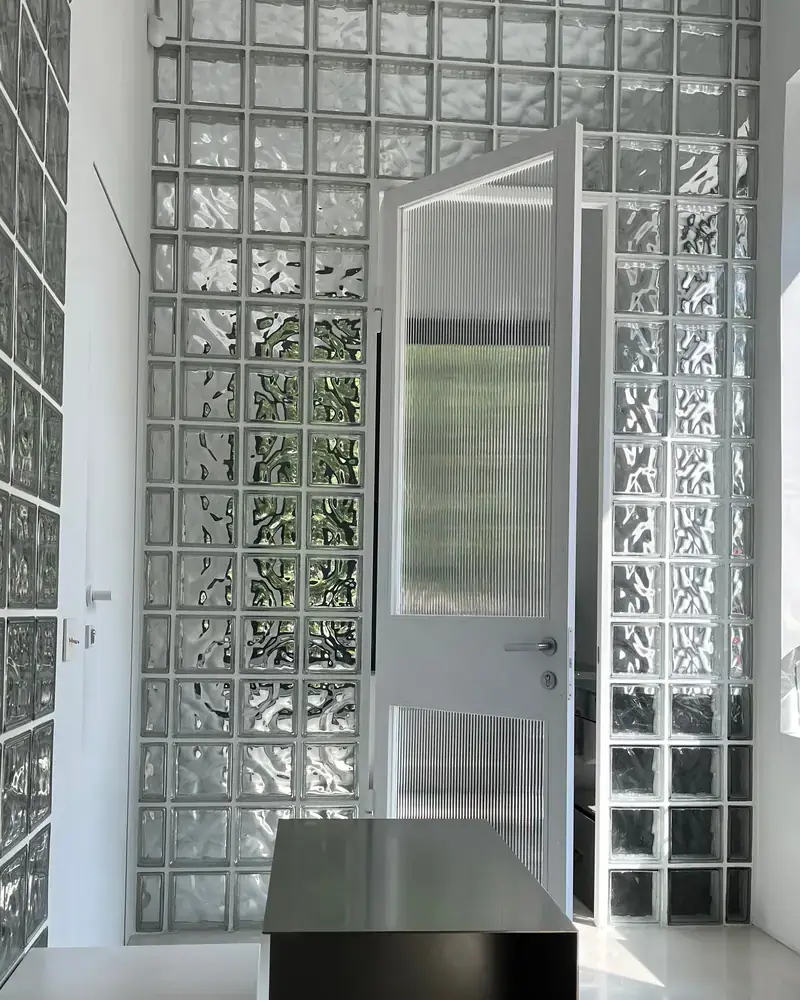
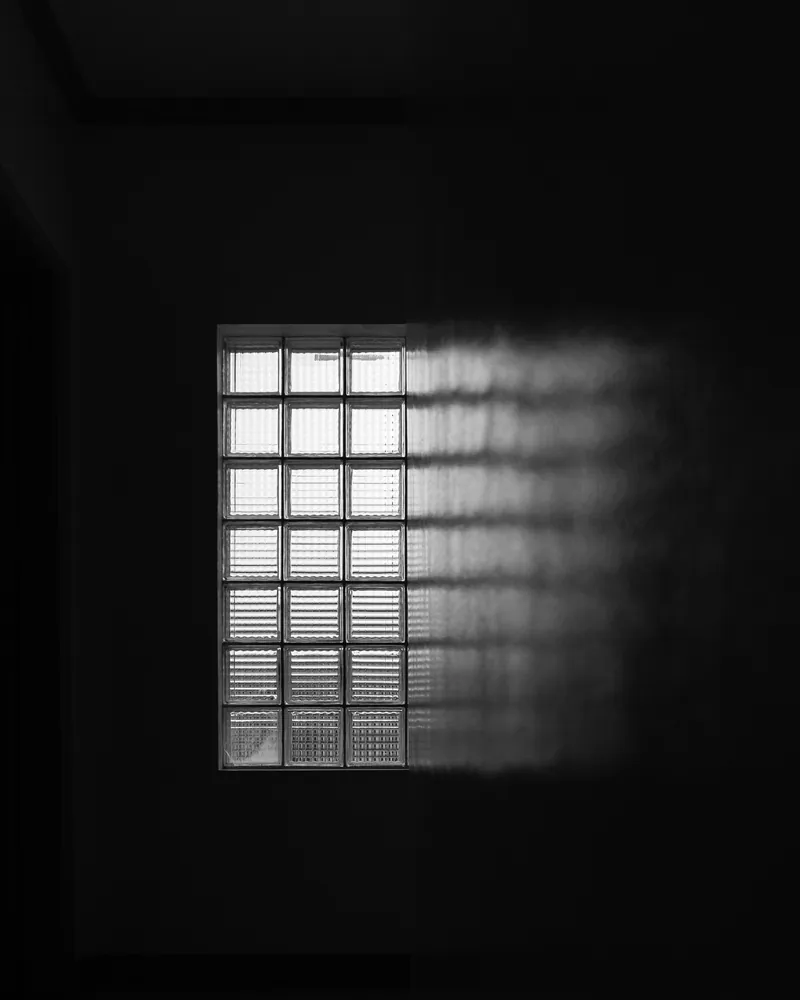
Glass-block walls
Installing glass-block panels to bring in daylight while keeping full privacy

Frame infill walls
Filling structural frame openings with block in new construction projects
Outdoor dividing walls
Dividing outdoor yards or parking areas with rendered block walls
Signs block wall work is needed
Bare concrete frame
Columns and slabs are complete but no walls exist yet and rooms have no shape
Diagonal cracks at openings
Cracks running diagonally from door or window corners indicate missing or undersized lintels
Hollow sound when tapped
Tapping the wall returns a hollow sound where structural block cells should have been grouted
Salt bloom on lower courses
White crystalline deposits on the bottom wall courses show moisture wicking up from the ground
Materials and methods used
Hollow concrete blocks
Standard units with hollow cells allowing vertical rebar and grout where needed
Bed-joint mesh reinforcement
Welded wire strips in mortar joints every second course to control cracking
Pre-cast concrete lintels
Pre-made reinforced beams placed over every opening to carry the wall load
Pre-wetting and shade curing
Dampening blocks and covering fresh walls prevents rapid mortar drying in summer
Inside block walls.
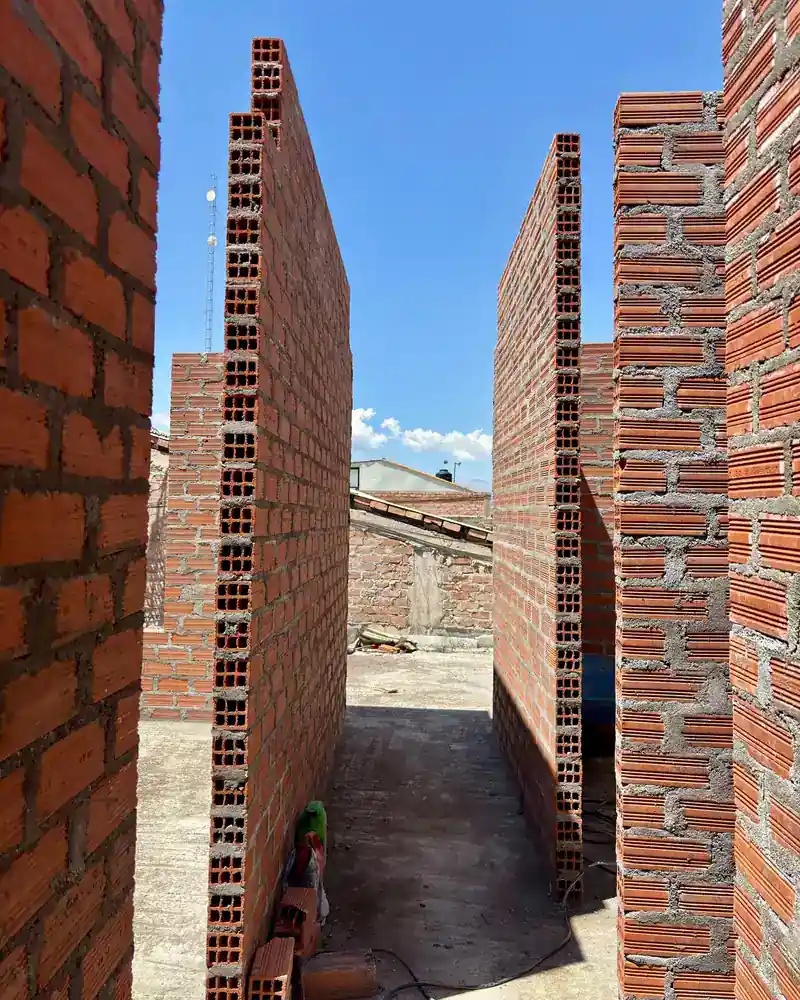
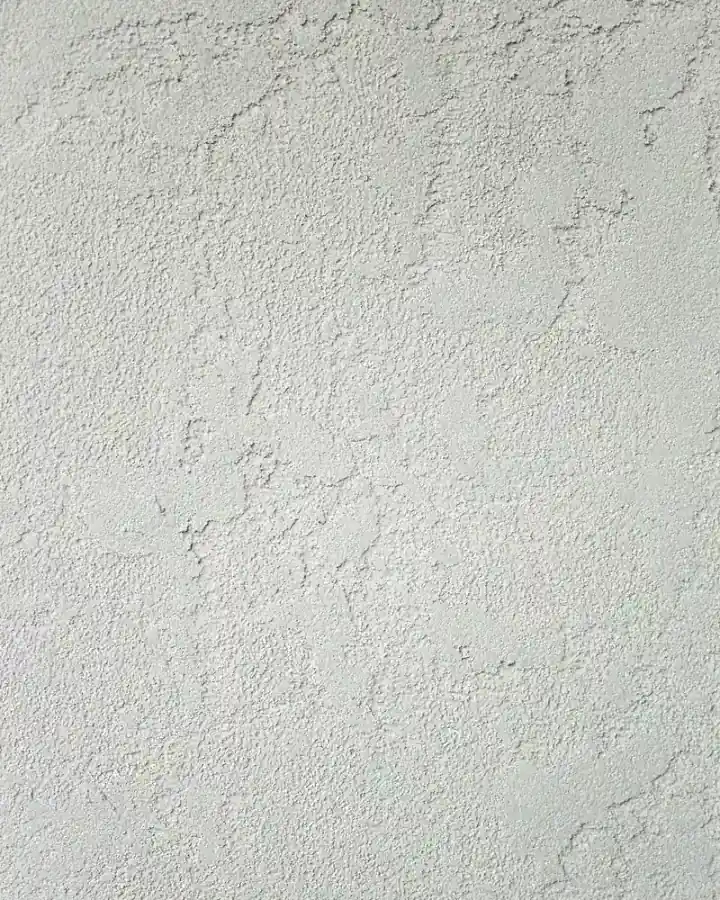
How block walls are built right in Kuwait
Block wall construction starts with snapping a chalk line on the slab to set the wall position precisely, then laying a first course in mortar at the correct level. Tie columns are cast at corners and at intervals along long runs, with vertical rebar inside the block cells filled with concrete grout to form a continuous reinforced pier. Lintels over every door and window opening are non-negotiable regardless of the wall's role.
The main choice the owner faces is between standard hollow block and glass block. Hollow block suits interior partitions, structural frame infill and external boundary walls, while glass block is chosen where natural light is needed without sacrificing privacy, such as bathrooms, stairwells and entrance screens. Wall thickness also varies: external and boundary walls are typically laid one full-block width, while internal partitions can use a half-block width to save floor area.
Kuwait's summer heat accelerates mortar drying before it can fully set, weakening bond strength. Wetting blocks before laying and covering fresh walls during peak hours counteracts this. Level and plumb checks on every course are critical because a slight lean accumulates with height and cannot be corrected once mortar has set. After completion, mortar joints are inspected for voids, which matter most on lower courses close to ground level where moisture and salt from the soil can enter and attack the wall over time.
What goes wrong on most builds.
Most problems are built in early and found late. These three cost the most to fix.
 01
01Shortcuts under the finish
Concrete and steel disappear under the finish, so a shortcut there stays hidden until it cracks.
 02
02Mistakes behind the wall
A water or drain mistake found after the finish means breaking new tile.
 03
03A rushed finish
The finish is what you live with every day. Rushing it shows in every corner.
The solution?
One licensed company for the structure, the pipes and the finish.
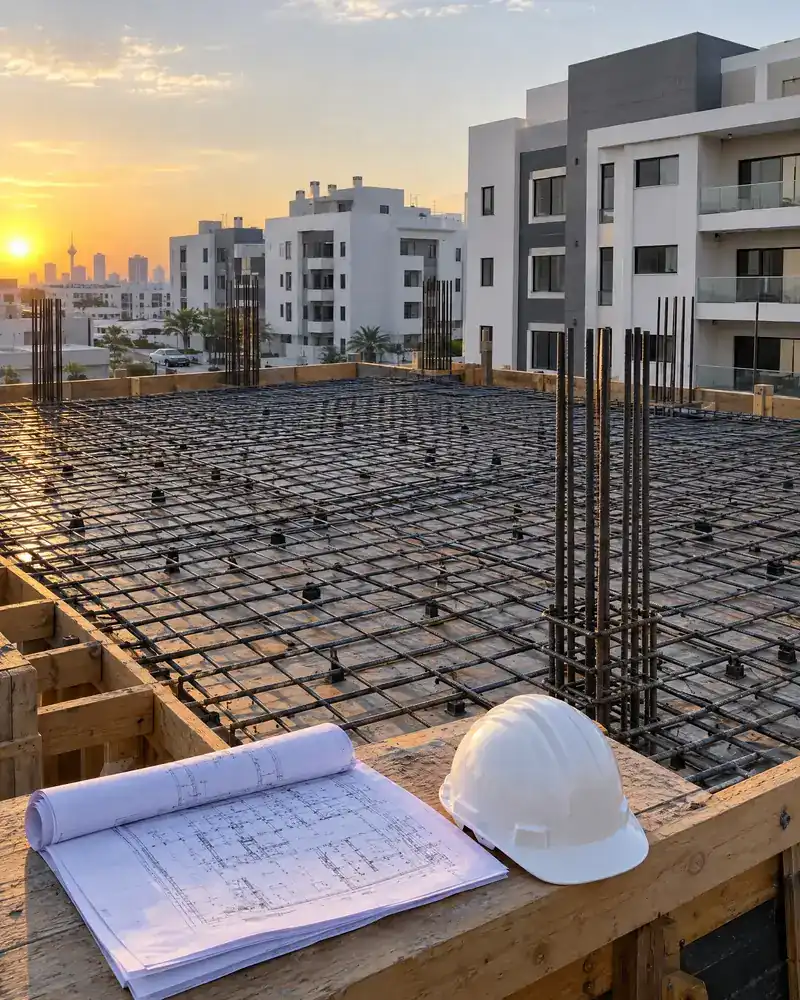
Shortcuts under the finishEngineering supervision on site
The structure is followed before it is covered.
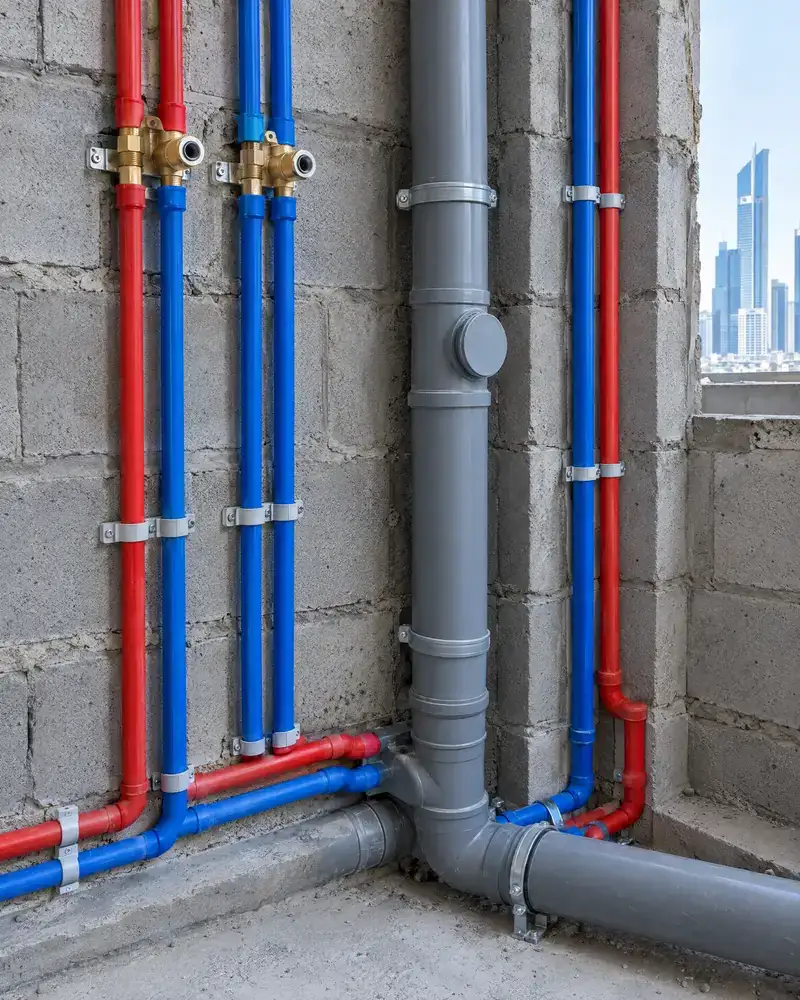
Mistakes behind the wallPlumbing by the same company
Laid before the walls close.
A rushed finishFinishing, and maintenance after
The same company finishes and maintains.
How it works.
Call or whatsApp
Describe your job and arrange a site visit
Site visit
We measure walls, check the base level and site access
Scope and quote
Written quote covering block type, reinforcement spec and total cost
Wall construction
We build level courses with lintels, mesh and tie columns
Check and handover
Plumb and level checked, site cleared and handed over clean
What sets the price.
The quote varies with wall area, block type, reinforcement level and height required
Get a quoteTotal wall area
Total area to be built drives material and labour quantities most
Block type and thickness
Glass block and solid block cost more than standard hollow block
Number of openings
Each opening needs cut blocks and a lintel, adding labour and materials
Wall height and access
Tall walls require scaffolding and increase the time and effort of construction
Reinforcement requirements
Core grouting, bed-joint mesh and tie columns all add to cost
Why one contractor beats four.
Every extra contractor means another schedule and another excuse. With us, one company answers for all of it.
Turnkey
Shell and finishing with one company, from footings to keys.
Pay in instalments
Construction and finishing on instalments. Ask us for the details.
Engineering supervision
Architectural drawings and engineering supervision on site.
After handover
Maintenance contracts and a 24-hour emergency plumber.
A licensed Kuwaiti company for building construction, finishing, renovation and infrastructure works.
What our clients say.
See all reviews on GoogleExcellent
Taha Saad
Google review
Excellent
Ali Nadi
Google review
Block walls in Kuwait. We work across all six governorates of Kuwait: Capital, Hawalli, Farwaniya, Mubarak Al-Kabeer, Ahmadi, Jahra.
Official references: Kuwait Municipality (building permits and plans)
Questions, answered.
Call nowWhat is the difference between hollow block and solid block, and which suits interior walls?
Hollow block is lighter and used for interior partitions and structural frame infill; its cells can be filled with grout for added strength. Solid block is heavier and more moisture resistant, making it better suited to outdoor walls or where higher sound insulation is required.
Does a glass-block wall need a structural frame around it?
Yes, glass block cannot carry structural loads on its own, so a concrete or steel frame is built around the panel for stability. Expansion joints are also needed at the perimeter and at intervals within large panels to accommodate Kuwait's extreme summer heat cycles.
Why do older block walls crack at door and window corners?
Diagonal cracks at opening corners almost always result from an absent or undersized lintel above the opening. The load in the courses above concentrates at the opening edges and creates diagonal stress in the block. Kuwait's large daily temperature swings accelerate this cracking over time.
Can a block wall be built directly on existing floor tiles without removing them?
Structurally it is better to build off the concrete slab directly rather than on tiles, as the bedding mortar beneath tiles is uneven and can compress under load. In renovation situations a site inspection can determine whether the existing tile bedding is sufficient for the wall being added.
Do block boundary walls need special treatment given Kuwait's soil conditions?
Yes, especially in coastal areas where soil is saline and groundwater sits high. The footing needs waterproofing, lower block courses should use sulphate-resistant mortar and cement, and rebar must have adequate concrete cover to resist the corrosive ground conditions.
Does adding an interior block wall to an existing villa require a municipality permit?
Non-load-bearing interior partitions do not typically require a separate permit when they do not change the building's approved layout. Any new external wall or boundary wall, however, should be checked with the municipality before work starts.
Licensed and registered in Kuwait.
Check us before you sign. This is our licence number and what it covers.
Find us on Google Maps