
What the service covers
Precise breaking, stripping and clearance work before finishing begins
Wall breaking
Removal of internal partition or block walls with controlled hand and power tools

Bathroom demolition
Full strip-out of tiles, sanitaryware and fittings down to bare substrate
Debris removal
Collection, loading and off-site disposal of all broken material and rubble
Floor tile breaking
Careful removal of existing floor tiles without damaging the screed beneath

Ceiling removal
Stripping old gypsum board panels and metal frames to expose the original slab
Selective partial breaking
Targeted breaking in one area only, protecting the rest of the building
Signs you need demolition and removal
Cracks along partition walls
Wide or repeating cracks in an internal wall that repairs have not fixed and rebuilding is the only lasting remedy
Hollow or lifting floor tiles
A hollow tap sound or visible tile lifting means the layer must be broken out before the cause is assessed
Heavily worn bathroom
Cracked tiles, corroded fittings or persistent drain smell that surface repairs cannot resolve
Changing the room layout
Merging two rooms or moving a bathroom requires the existing partition walls to come down first
Before you call, have this ready
Mark the area to be broken
Know exactly which walls, floors or spaces are to be removed so no mistake breaks what should stay
Locate structural elements
Check drawings or ask an engineer whether a wall is load-bearing before any breaking starts
Isolate concealed services
Water and electricity feeding the target area must be isolated before the first blow lands
Clear the furniture first
Remove all furniture and belongings from the work zone before the crew arrives to avoid damage
Inside demolition & removal.
How demolition should be done right
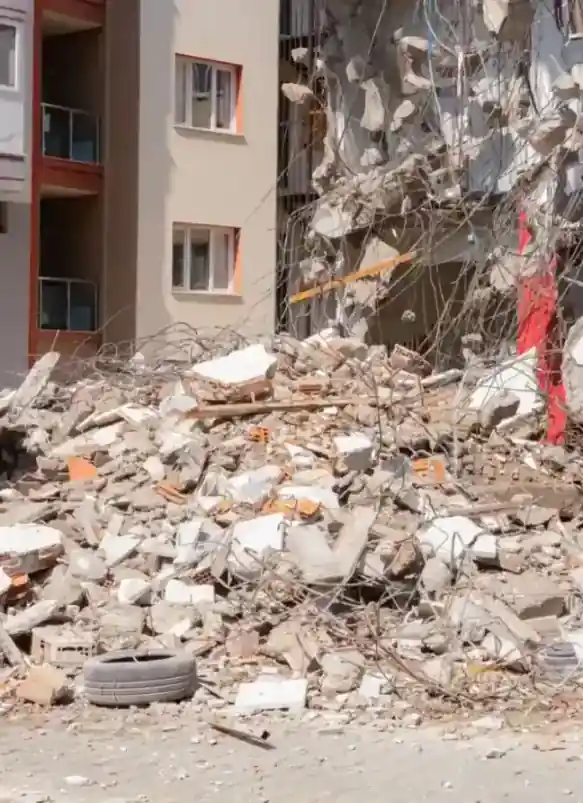
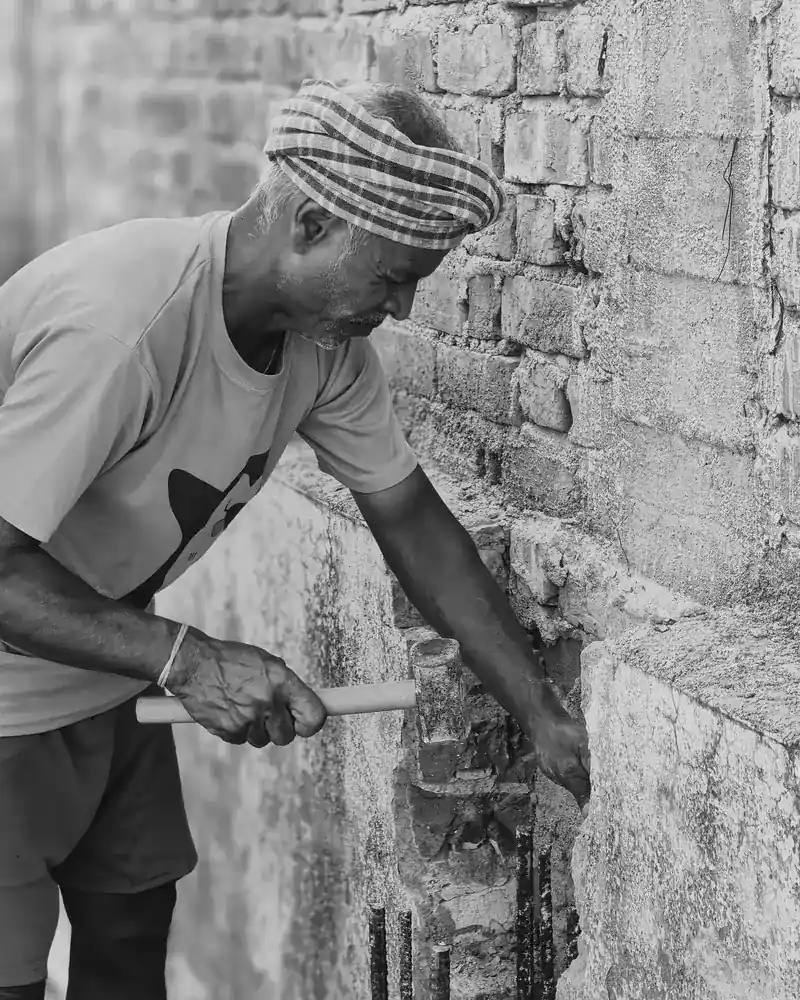
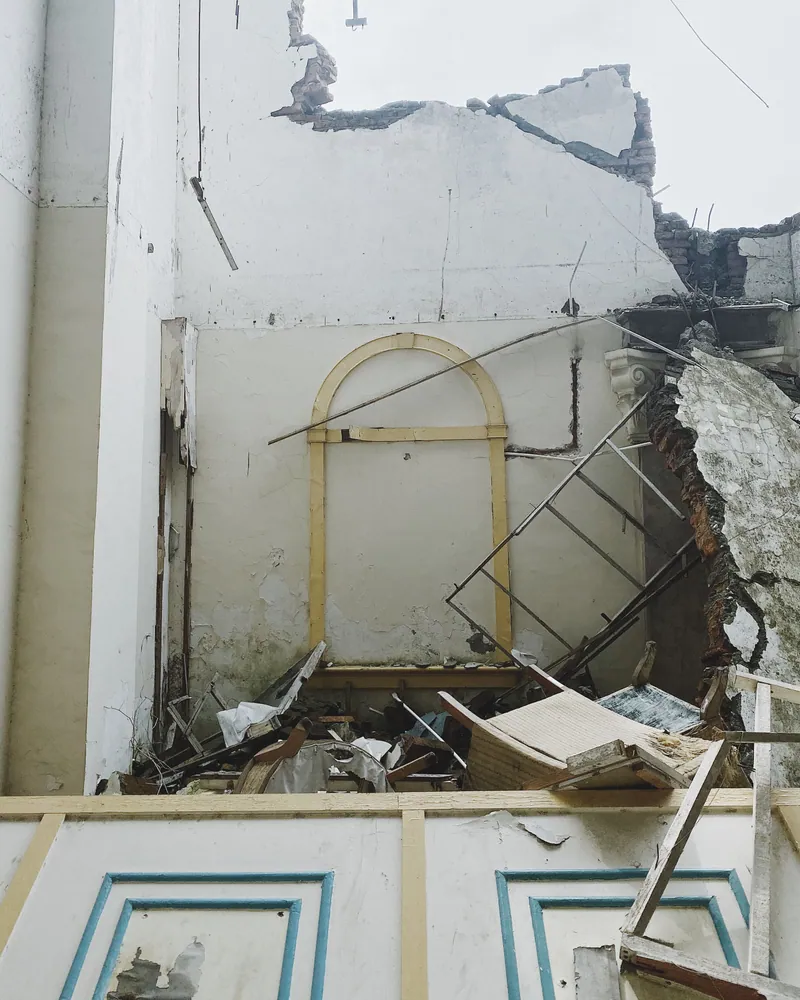
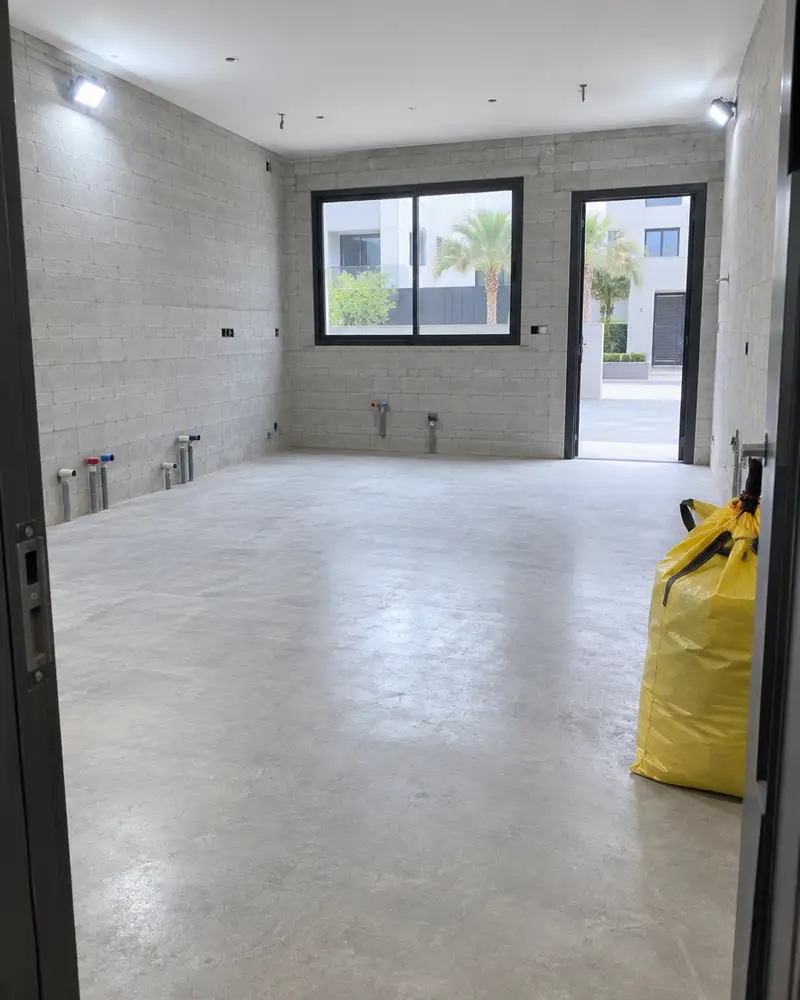
Good demolition begins with assessment, not swinging a hammer. Before any wall comes down the crew must confirm whether it carries load or simply divides space, because striking a structural wall without temporary support risks damaging the frame above. Concealed electrical conduits, water pipes and drainage lines in the target zone must be traced and isolated. Adjacent rooms and openings are sheeted off to keep fine concrete and block dust from spreading through the building.
For bathroom strip-outs, sanitaryware comes off first to avoid cracking the drain collars that will be reused. Wall and floor tiles follow, and once the substrate is exposed the waterproofing layer underneath is inspected. Kuwait bathrooms rarely have adequate original waterproofing, so fresh membrane work is almost always needed before new tiling. The screed bed is checked for hollows, cracks or moisture damage that must be addressed before any new finish goes down.
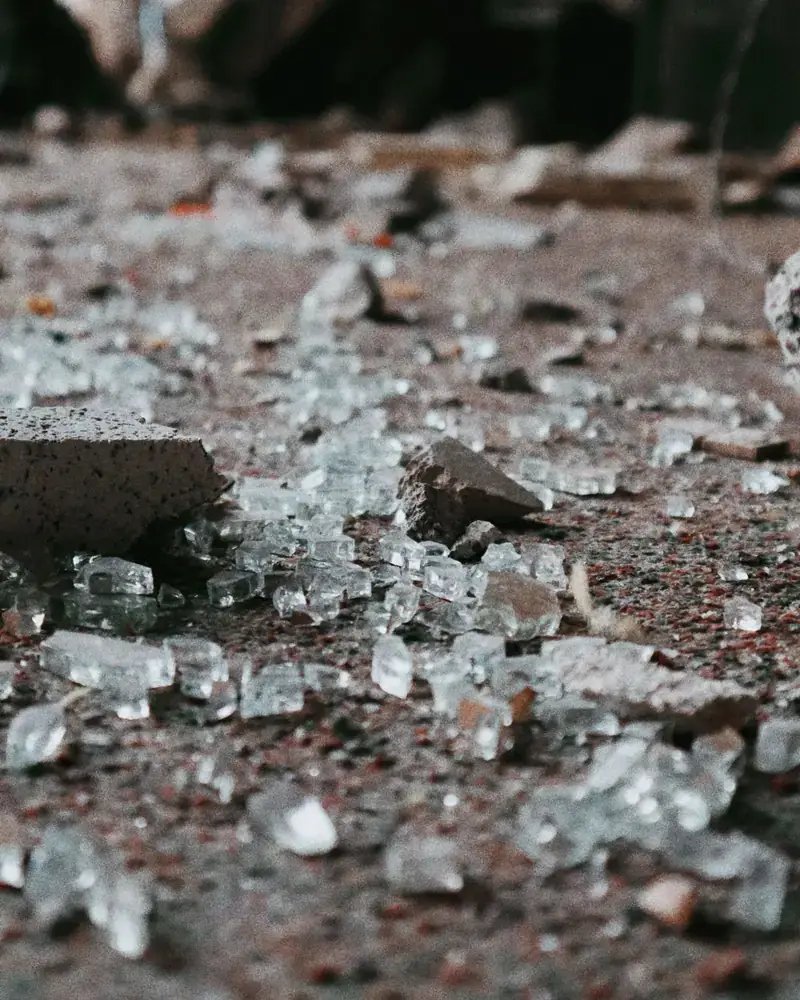
After breaking, the site fills quickly with concrete chunks, block fragments and old tile pieces. Finishing trades cannot start on a cluttered floor, so debris is bagged or binned in stages and removed from the site rather than piled in a corner. When demolition is partial and the building is still occupied, scheduling the break-out and removal on the same day limits dust exposure and keeps the disruption to a short window. A final sweep and check confirms no broken service stubs are left exposed.
What goes wrong with most finishing.
The finish is what you see every day, and its mistakes do not hide. These three are the most common.
 01
01A rushed finish
The finish is what you live with every day. Rushing it shows in every corner.
 02
02Four contractors for one finish
Tiling, gypsum, paint and aluminium crews who never talk to each other.
 03
03After-care that never comes
Once you have the keys, it is hard to find anyone to come back and fix what shows up.
The solution?
Full finishing, and maintenance after it, from one licensed company.
A rushed finishTurnkey finishing
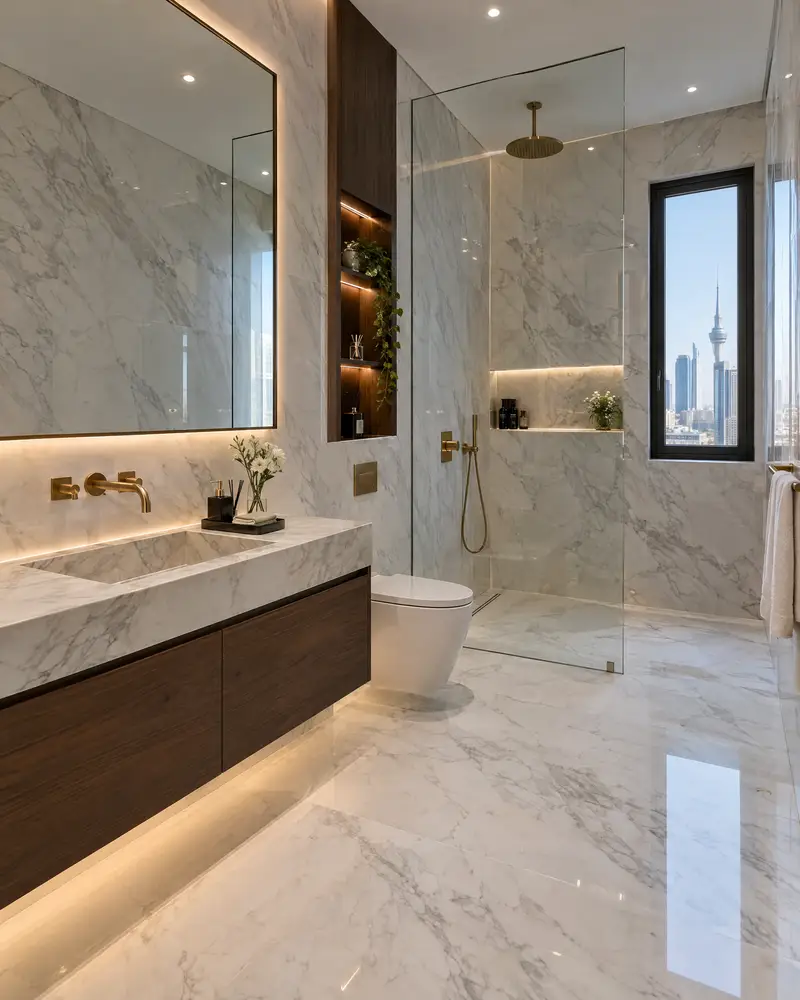
Marble, tiling, gypsum and paint from one company.

Four contractors for one finishOne company for every trade
No gaps between the tiler, the gypsum crew and the painter.

After-care that never comesRegular maintenance after handover
And finishing on instalments if you need it.
How it works.
Call or whatsApp
Describe what needs breaking, the location and floor
Site inspection
We visit to identify structural walls and concealed services
Quotation
A clear price covering labour, removal and debris disposal
Breaking works
Breaking and stripping with dust containment protecting adjacent areas
Clearance and handover
All debris removed and site handed over clean and ready for finishing
What sets the price.
Several site-specific factors shape the quote for any demolition and removal job
Get a quoteArea to be demolished
More square metres or wall runs means more labour hours and equipment
Type of element being removed
Block wall demolition differs from tile breaking or gypsum ceiling strip-out
Site access difficulty
Upper floors and narrow entrances increase rubble removal time and overall cost
Volume of debris generated
Large volumes require extra removal trips to clear the site fully
Containment complexity
Working in an occupied building needs more protective sheeting and careful scheduling
Why one contractor beats four.
Every extra contractor means another schedule and another excuse. With us, one company answers for all of it.
Turnkey
Shell and finishing with one company, from footings to keys.
Pay in instalments
Construction and finishing on instalments. Ask us for the details.
Engineering supervision
Architectural drawings and engineering supervision on site.
After handover
Maintenance contracts and a 24-hour emergency plumber.
A licensed Kuwaiti company for building construction, finishing, renovation and infrastructure works.
What our clients say.
See all reviews on GoogleExcellent
Taha Saad
Google review
Excellent
Ali Nadi
Google review
Demolition & removal in Kuwait. We work across all six governorates of Kuwait: Capital, Hawalli, Farwaniya, Mubarak Al-Kabeer, Ahmadi, Jahra.
Official references: Kuwait Fire Force (safety requirements in finishing work)
Questions, answered.
Call nowCan an internal wall be taken down without affecting the rest of the house?
Yes, if the wall is a non-load-bearing partition. If it carries load, temporary propping or a replacement beam is needed before breaking starts. An engineering check or review of the building drawings will confirm which case applies.
Can only part of a bathroom be stripped rather than the whole thing?
It is possible, but partial tile removal often leaves a mismatch with the old tiles. A full strip-out is usually more practical because it exposes the entire waterproofing layer for inspection and replacement before new tiles go down.
How long does stripping out a single bathroom and clearing the debris take?
It varies with bathroom size, tile thickness and how easily debris can be moved out. We give a realistic time estimate after the site visit, not before.
Does internal demolition work require a municipal permit in Kuwait?
Partial internal demolition such as partition walls and tiles generally does not require a permit. Structural changes or altering the building layout may need engineering approval. We clarify the requirement for your specific case during the inspection.
How is the rest of the house protected from dust during breaking works?
Door openings and connecting corridors are sealed with heavy-duty polythene sheeting before breaking starts. In occupied buildings we schedule breaking and debris removal on the same day to limit how long dust is present.
Is debris removal and off-site disposal included in the demolition price?
Yes, collecting and hauling all rubble off-site is part of the service and is included in the quote. The site is left clean with no broken material remaining.
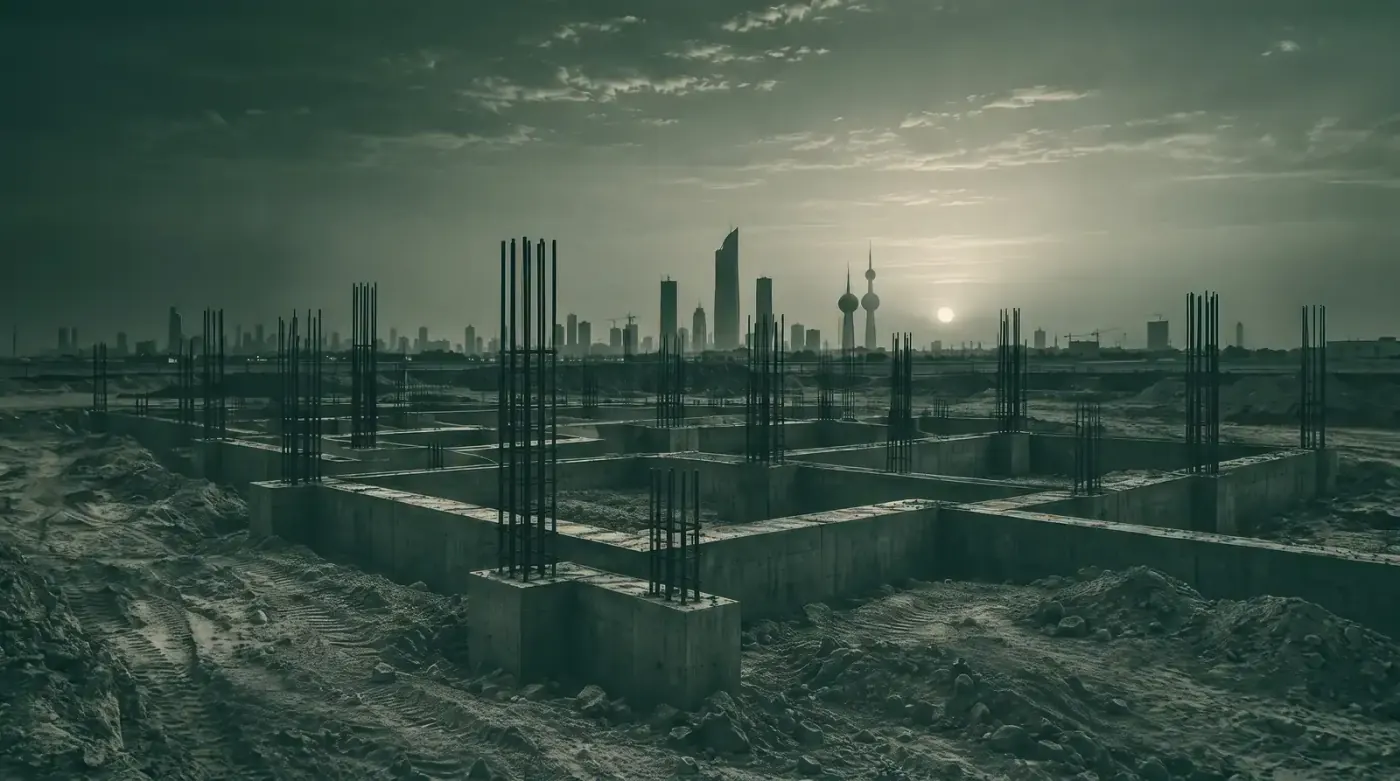
Licensed and registered in Kuwait.
Check us before you sign. This is our licence number and what it covers.
Find us on Google Maps