
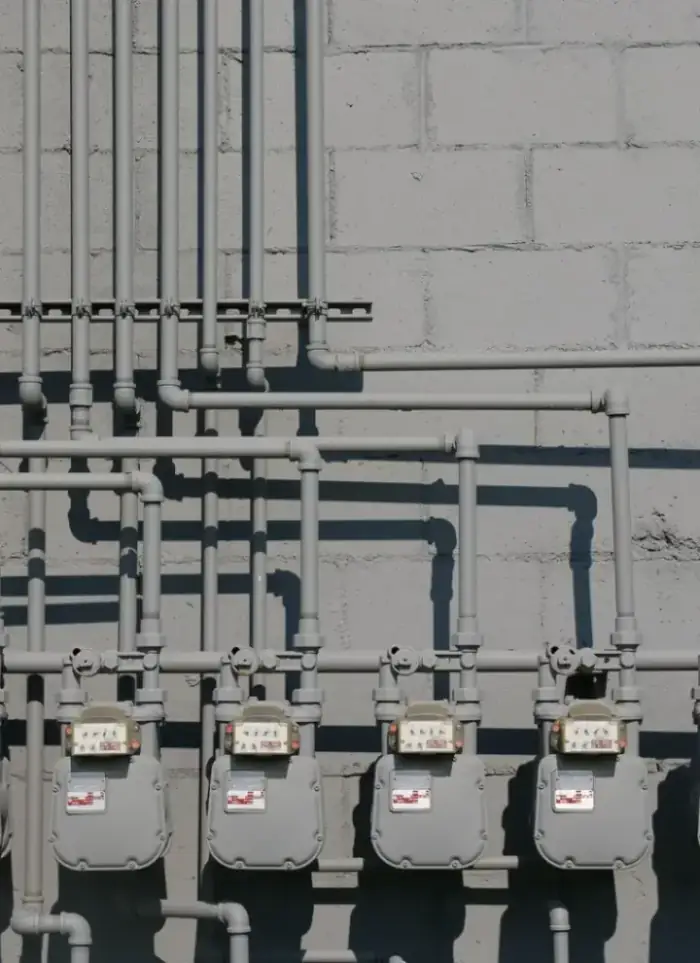
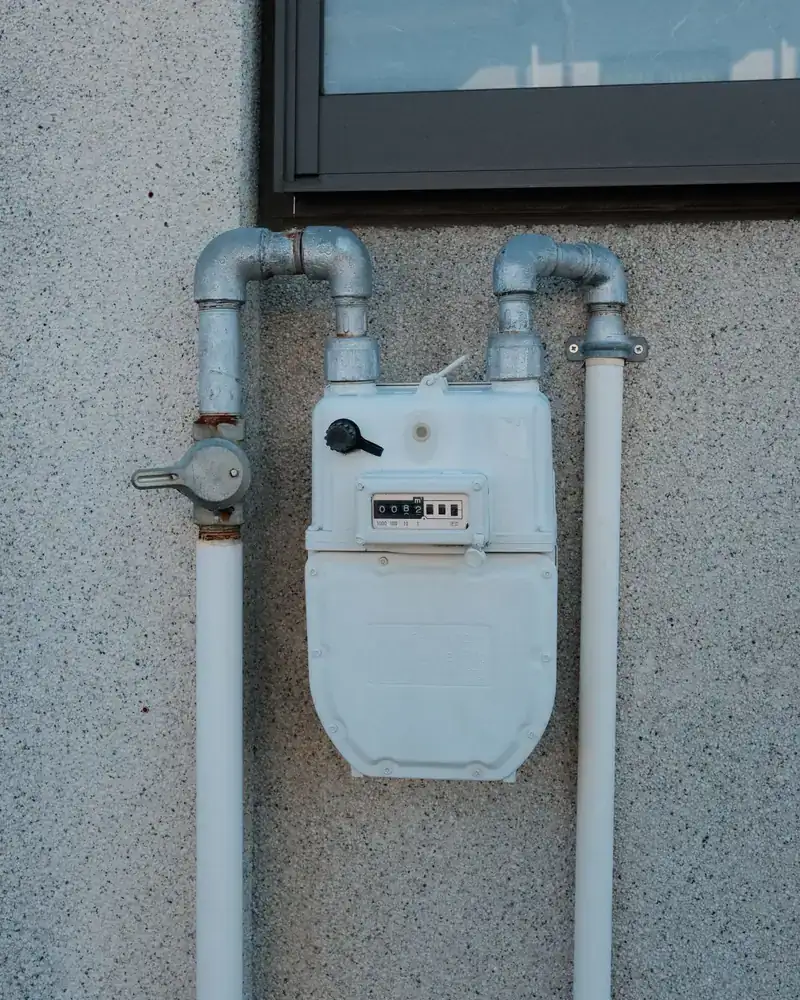
What the installation covers
Gas pipe run from the supply source to every kitchen appliance point, tested and signed off
Gas pipe run
Approved pipe routed from supply inlet to kitchen outlet points

Appliance connection points
Isolation valves and stub-outs fitted at each appliance position
Pipe fixing and casing
Pipe clipped at correct centres and exposed runs properly cased
Pressure test
Compressed air test held and verified before any gas is admitted
Leak check
Every joint and valve checked with detection solution after pressure test
Chase reinstatement
Wall chases filled and made good after pipe is fixed in place
Signs you need this service
Faint gas smell
A recurring gas smell near the cooker or behind appliances points to a loose joint or cracked pipe
Weak or uneven flame
A blue flame turning yellow or uneven across burners indicates insufficient gas pressure in the line
New appliance added
Fitting a built-in oven or grill that needs a gas point not served by the existing run
Kitchen layout change
Moving the cooker or redesigning the kitchen requires rerouting the gas line to the new position
Common mistakes to avoid
Poorly made threaded joints
Missing or incorrect sealant on threaded joints causes a slow leak that is hard to detect early
Skipping the pressure test
Admitting gas without a prior pressure test hides leaks until they become dangerous
Unsupported pipe runs
Pipe left without adequate clips vibrates under use and loosens joints over time
No dedicated isolation valve
Running a line without a dedicated valve per appliance makes safe shut-off during servicing very difficult
More in water pipe runs.
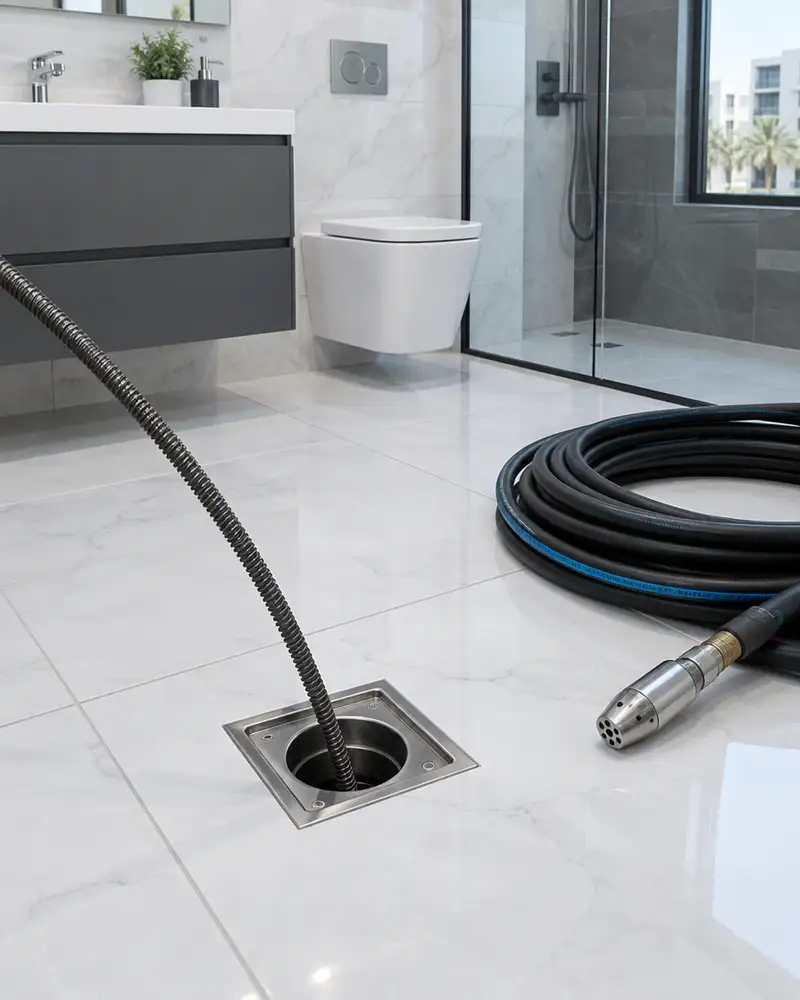
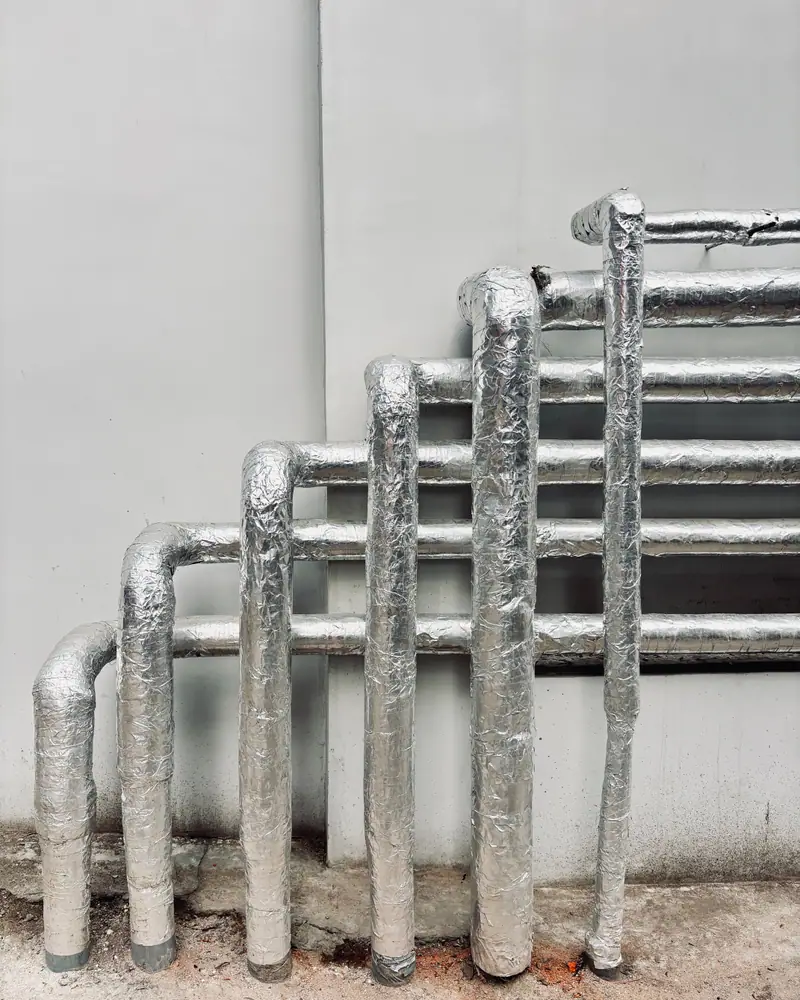
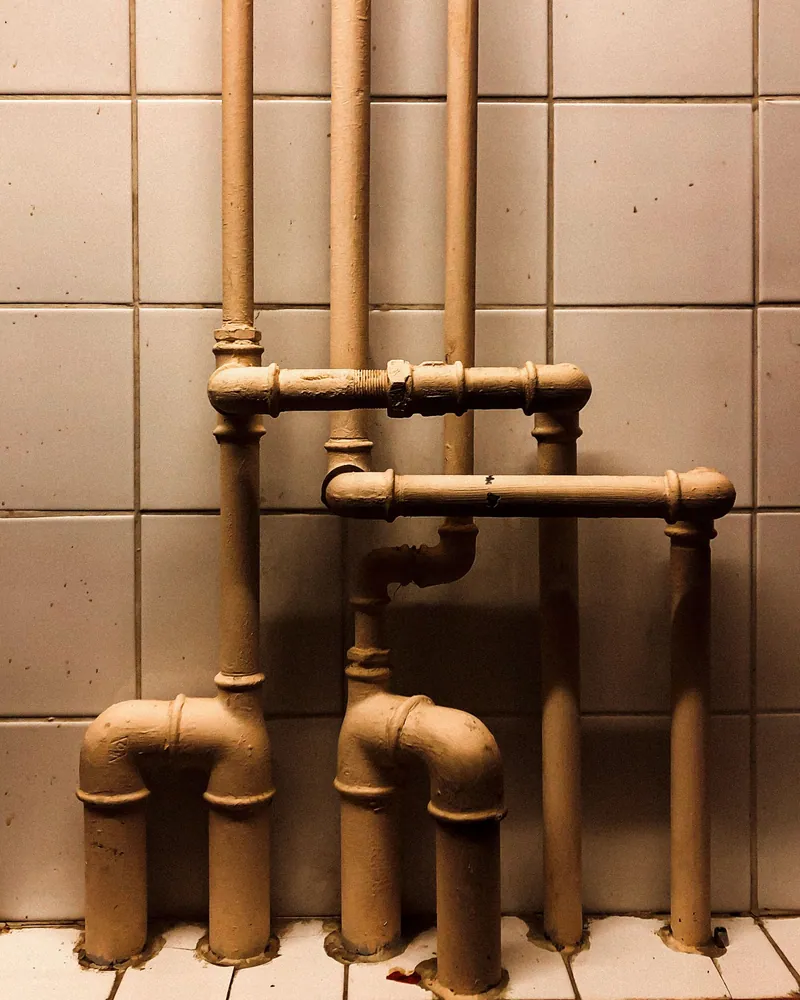
What goes wrong with most plumbing.
Plumbing problems start hidden and end with breaking tiles. These three cost the most.
 01
01Pipes laid in a rush
Pipework rushed before the walls close stays hidden until it starts to leak.
 02
02Leaks you cannot see
A slow leak behind tiles shows up as damp, stains and a higher water bill.
 03
03Nobody answers in an emergency
A burst pipe at night cannot wait for a contractor who has moved on.
The solution?
Pipework, leak detection and maintenance from one licensed company.
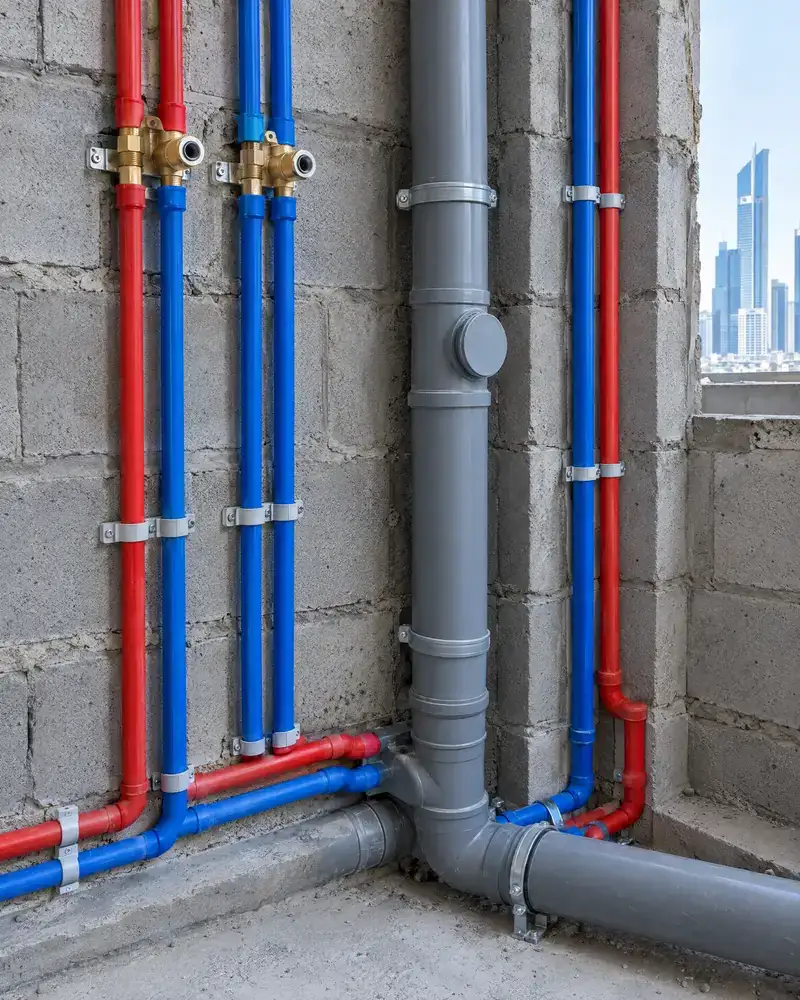
Pipes laid in a rushFirst-fix plumbing by the builder
Laid as part of the build, before the walls close.
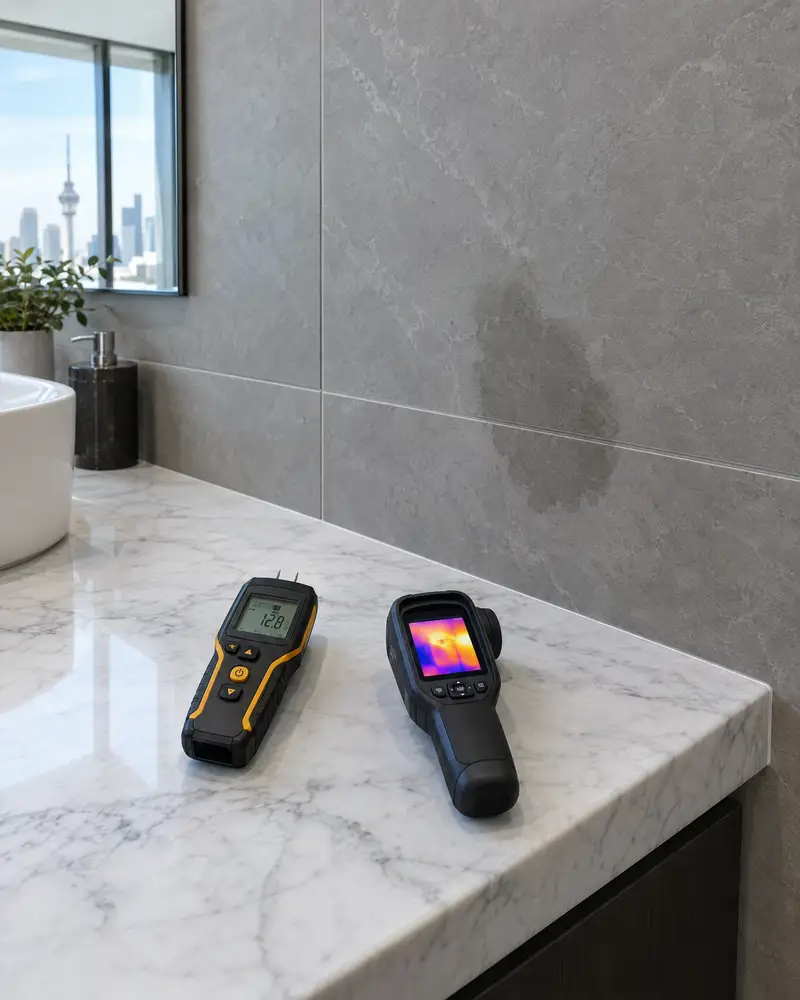
Leaks you cannot seeWater leak detection
We find the source first.
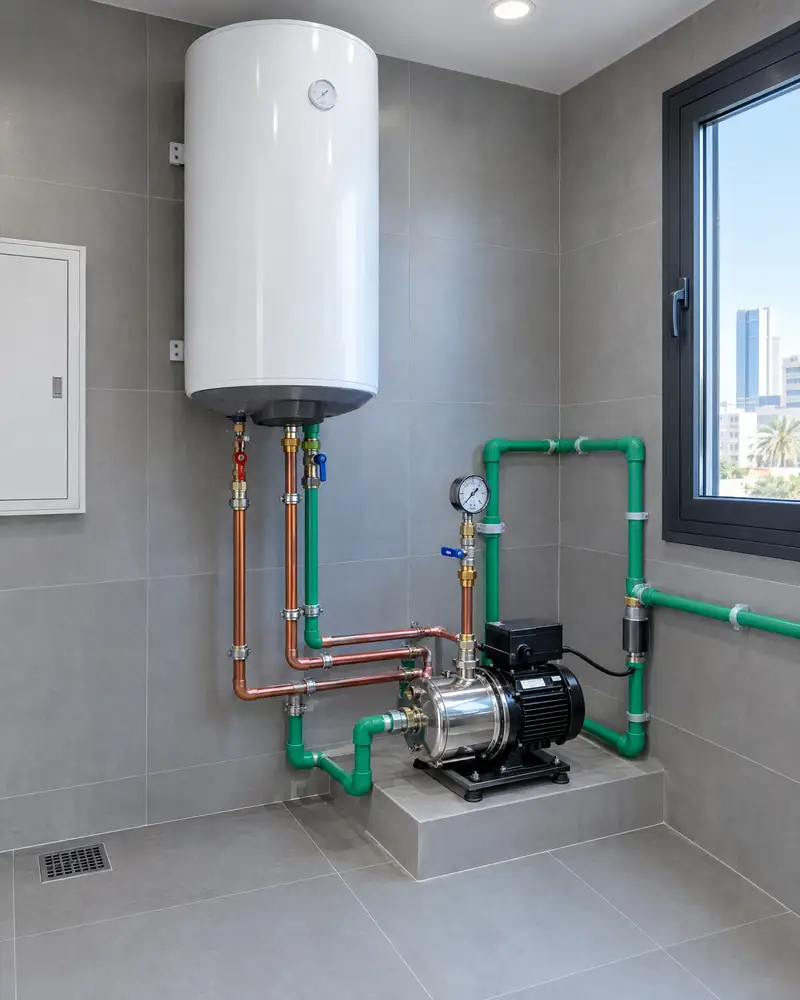
Nobody answers in an emergency24-hour emergency plumber
Plus regular maintenance contracts after handover.
How it works.
First contact
Call or WhatsApp us to describe the kitchen layout and gas requirements
Site visit
We visit to locate the supply, map the route and count outlet points
Quotation
A detailed quote covering pipe, fittings and reinstatement is sent
Installation and testing
Pipe is run, fixed, pressure-tested and every joint checked for leaks
Handover
Appliances are lit to confirm performance and the site is handed over clean
What sets the price.
Every project differs and several site-specific factors shape the final figure
Get a quoteRun length
Distance from supply source to appliance points sets pipe and fitting quantities
Number of outlet points
Each appliance point needs its own isolation valve and connection fitting
Surface or concealed run
Concealed pipe in wall chases requires cutting and making good after fixing
Existing installation condition
Old pipe with corroded sections or non-compliant joints may need full replacement
Reinstatement works
Wall and finish repair after concealed runs adds to the overall cost
Why one contractor beats four.
Every extra contractor means another schedule and another excuse. With us, one company answers for all of it.
Turnkey
Shell and finishing with one company, from footings to keys.
Pay in instalments
Construction and finishing on instalments. Ask us for the details.
Engineering supervision
Architectural drawings and engineering supervision on site.
After handover
Maintenance contracts and a 24-hour emergency plumber.
A licensed Kuwaiti company for building construction, finishing, renovation and infrastructure works.
What our clients say.
See all reviews on GoogleExcellent
Taha Saad
Google review
Excellent
Ali Nadi
Google review
Kitchen gas lines in Kuwait. We work across all six governorates of Kuwait: Capital, Hawalli, Farwaniya, Mubarak Al-Kabeer, Ahmadi, Jahra.
Official references: Ministry of Electricity and Water (water and drainage connections)
Questions, answered.
Call nowCan a new gas line be added for a built-in oven in a fully finished kitchen?
Yes, a branch line can be tapped from the existing run to the new position. The work is planned to keep cutting of finished surfaces to a minimum, and all chases are made good after the pipe is fixed and tested.
What pipe material is used for kitchen gas lines?
Galvanised steel, copper or stainless steel pipe is used for the fixed run depending on the situation. Approved flexible hose is used only for the final connection to each appliance, not for concealed or extended runs.
Is a pressure test required before the gas is turned on?
A compressed air pressure test is a non-negotiable step. Pressure is held for a set period to confirm the line is fully sealed before gas is ever admitted. Any drop in pressure triggers a joint-by-joint inspection.
Can water pipe fittings be used for a gas line?
No. Gas lines require pipe, fittings and thread sealant rated specifically for gas service. Using water-rated components creates joints that may leak slowly, with gas accumulating undetected until a hazard develops.
What should I do if I smell gas after the installation?
Close the main gas valve immediately, open windows and do not operate any electrical switch. Call us and a team will be sent to check every joint with detection solution and locate the source before the supply is reopened.
Licensed and registered in Kuwait.
Check us before you sign. This is our licence number and what it covers.
Find us on Google Maps