
What pipe runs cover
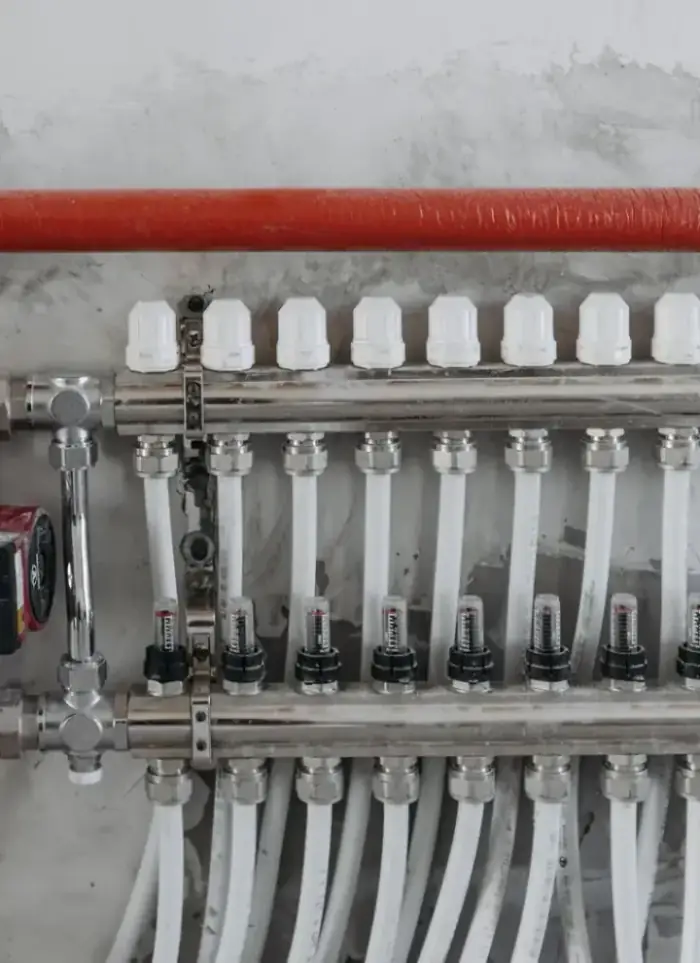
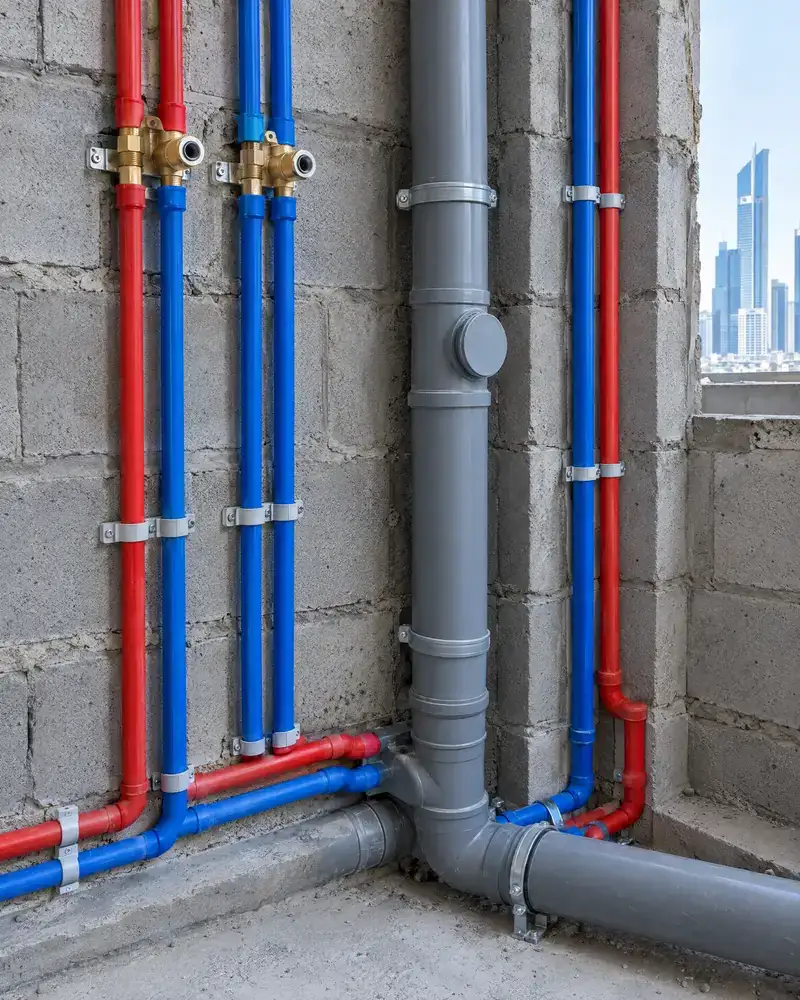
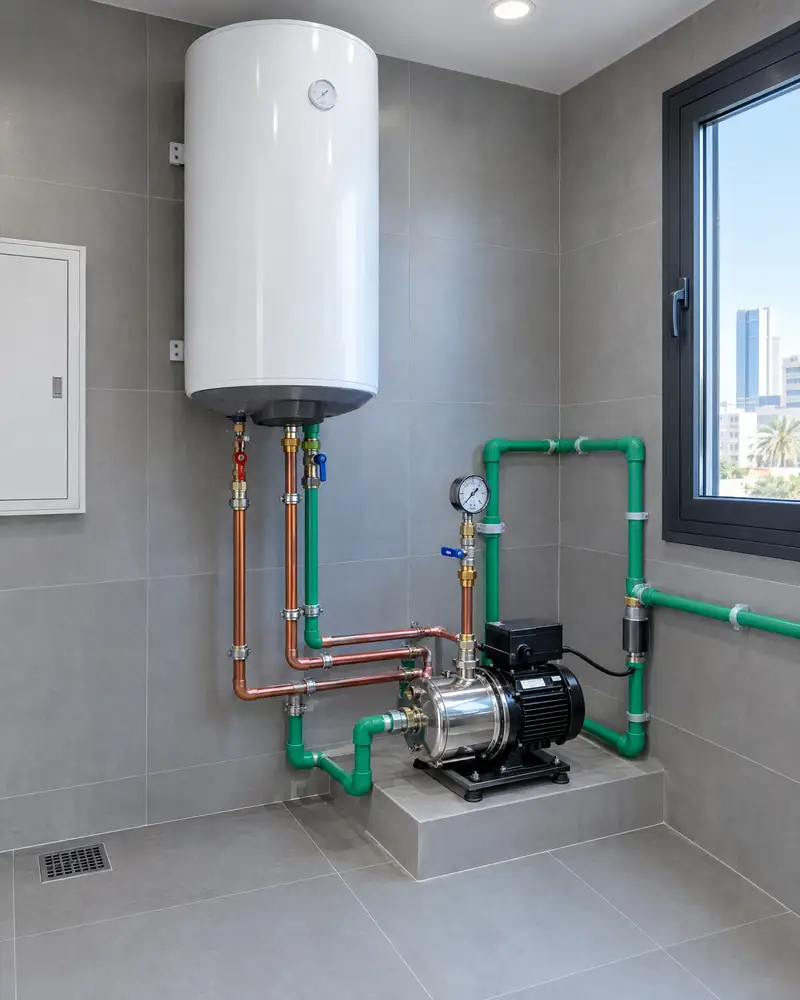
Full cold and hot supply runs from pump header to every fixture connection point.

PPR pipe runs
Hot and cold supply lines fused by heat for leak-free joints.
uPVC supply lines
Main supply runs buried underground or through wall chases.

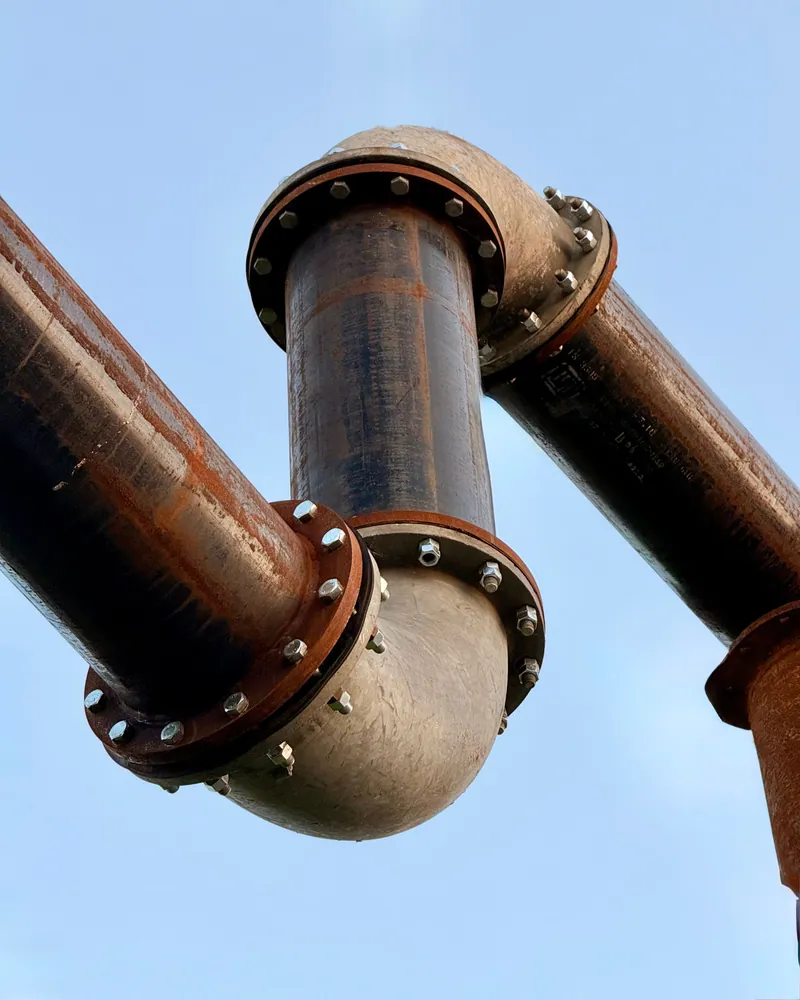
Pipe replacement runs
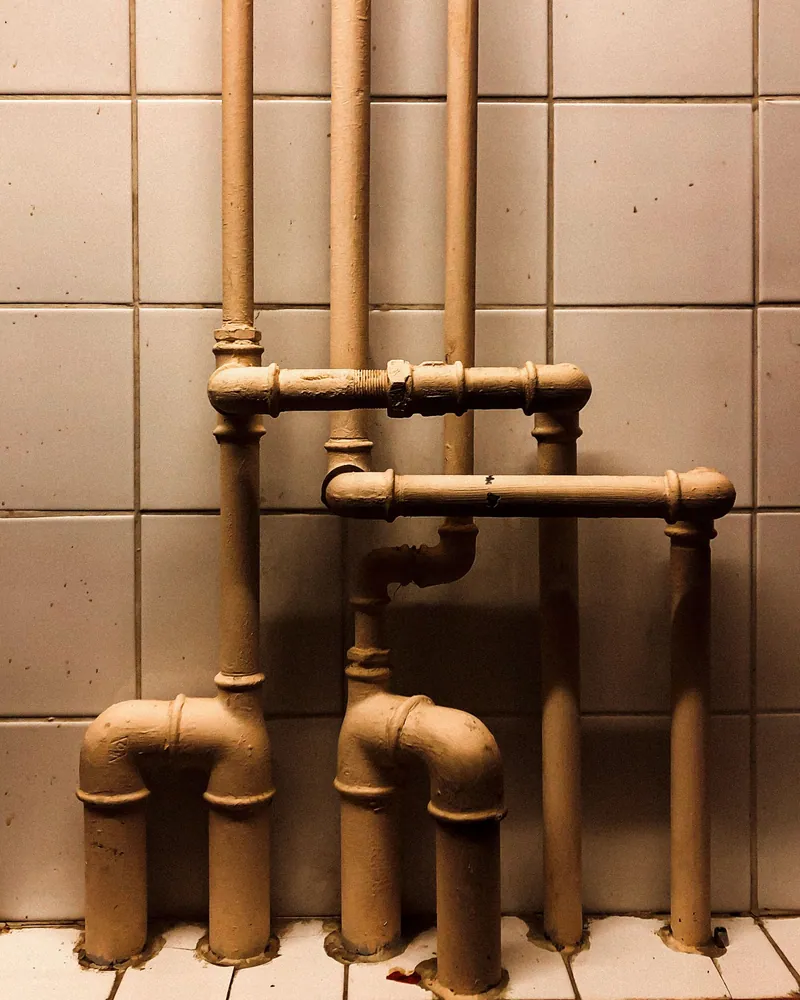
Replacing corroded galvanised iron with modern pipe materials.

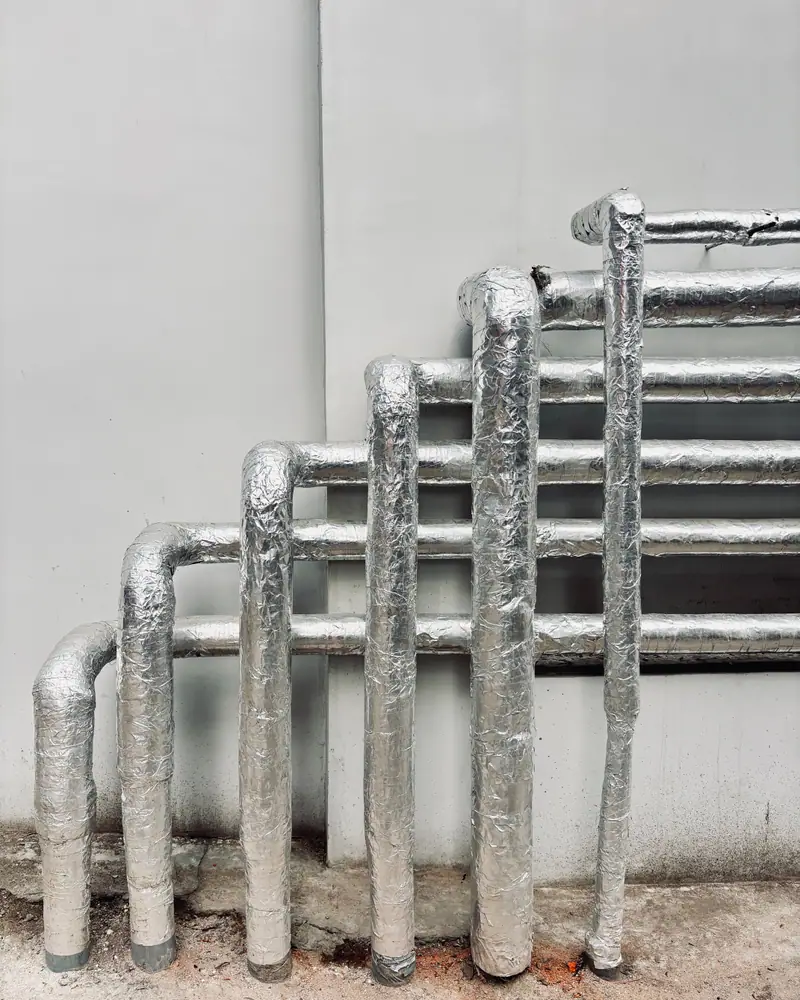
Pipe insulation
Wrapping exposed roof and external pipes against heat loss and gain.

Pressure testing
Air or water pressure test confirms zero leaks before reinstatement.

Reinstatement works
Closing wall chases and making good surfaces after the pipe run.
Materials and methods used
Heat-fused PPR pipe
Fusion jointing creates a homogeneous bond that resists scale build-up from Kuwait's mineral-heavy water.
Pressure-rated uPVC pipe
Chosen for main underground runs where rigidity and chemical resistance matter most.
Closed-cell foam insulation
Stops cold-supply pipes on rooftops from heating up and reduces heat loss on hot runs.
Scale reducer and strainer
Fitted at the run entry point to protect joints and mixers from mineral deposits in the supply.
Before you call, check these points
Existing pipe drawings
Any drawings of current pipe routes save time and reduce unnecessary wall breaking.
Current pipe material
Knowing whether pipes are PPR, galvanised iron or uPVC determines the joining method needed.
Required fixture points
List each mixer, appliance and outlet the new run must supply so sizing is correct.
Wall access availability
Confirm whether walls are bare or finished, as this directly affects breaking and reinstatement cost.
Inside water pipe runs.
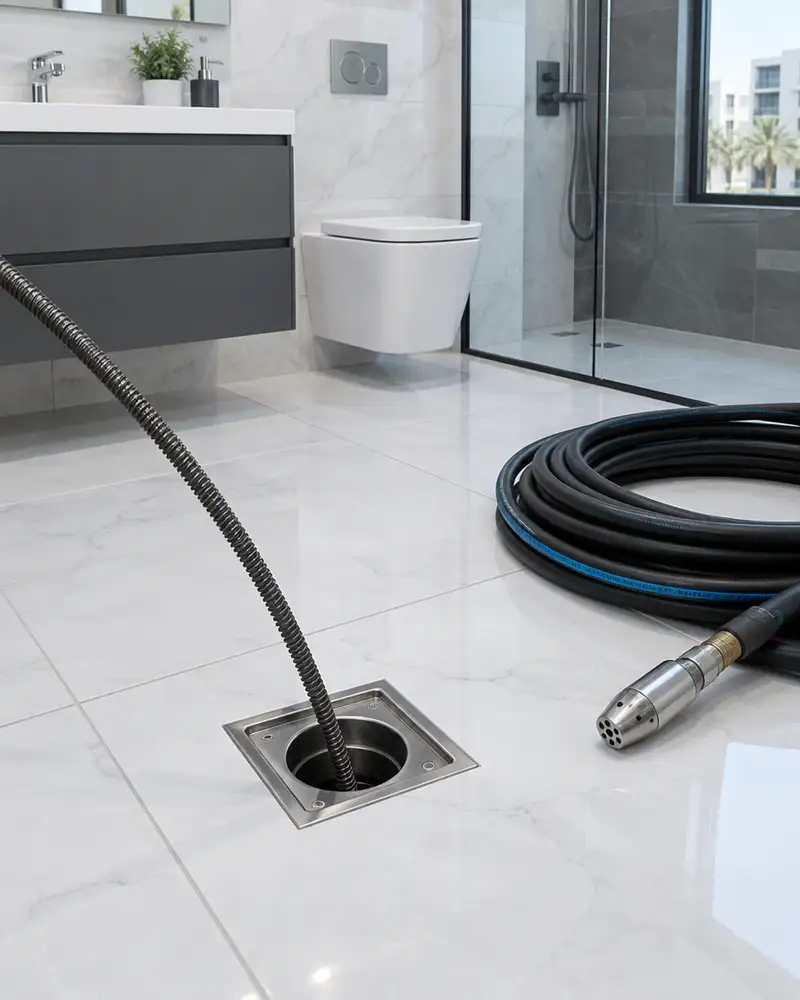
How a proper pipe run is done in Kuwait
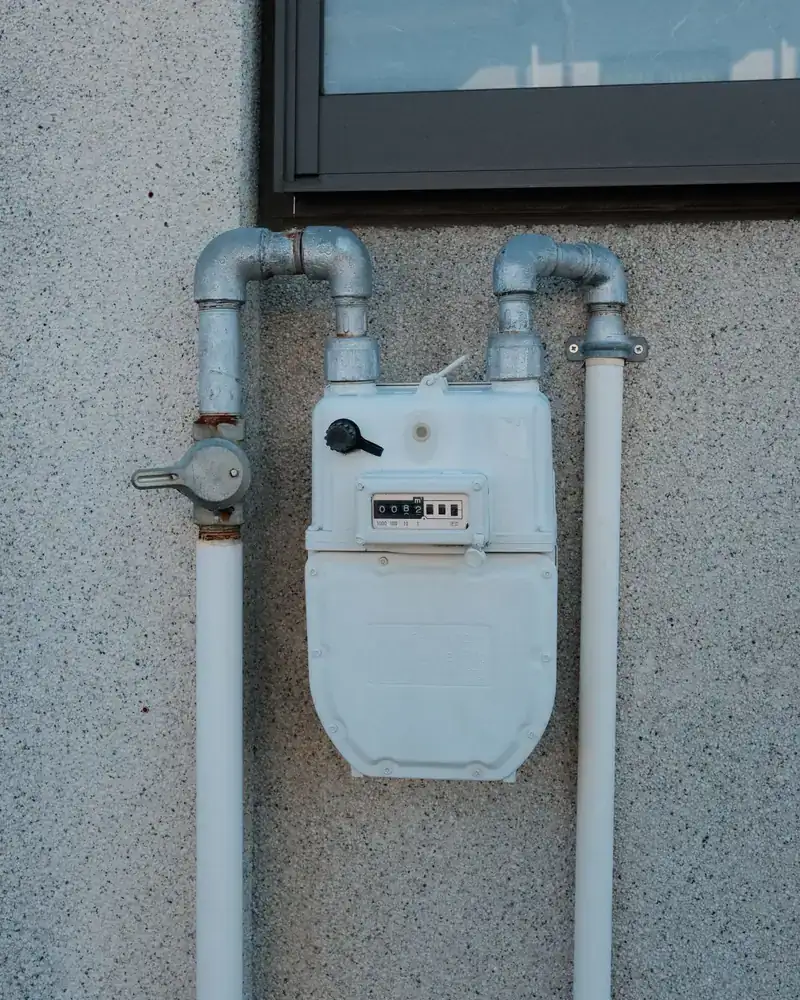
The process starts by mapping the pipe route to avoid hidden drain lines and electrical conduits. Chases are cut to the right width in walls or ceilings, and pipes are fixed with clips at regular intervals to prevent vibration and the thermal expansion that Kuwait's summer temperatures cause. PPR is the preferred material for both hot and cold lines inside walls because heat-fused joints eliminate the risk of a connection weeping after the wall is closed.
Exposed pipes on rooftops or external walls need closed-cell foam insulation because direct sun raises a dark pipe's surface temperature to levels that damage joints and heat the cold-water supply. uPVC is used for main buried runs underground where it handles working pressure and resists soil conditions. In older houses with galvanised iron pipes, full replacement is recommended over partial connections, as mixing materials accelerates corrosion at the joint point.
Before any wall is plastered or any trench is backfilled, the network is pressurised with air or water to confirm every joint is sound. This step is critical because pipes buried under tiles or inside walls do not reveal leaks until well after damage has spread through the structure. Once the test is passed, chases are closed and surfaces are made good with the appropriate finishing materials.
What goes wrong with most plumbing.
Plumbing problems start hidden and end with breaking tiles. These three cost the most.
 01
01Pipes laid in a rush
Pipework rushed before the walls close stays hidden until it starts to leak.
 02
02Leaks you cannot see
A slow leak behind tiles shows up as damp, stains and a higher water bill.
 03
03Nobody answers in an emergency
A burst pipe at night cannot wait for a contractor who has moved on.
The solution?
Pipework, leak detection and maintenance from one licensed company.
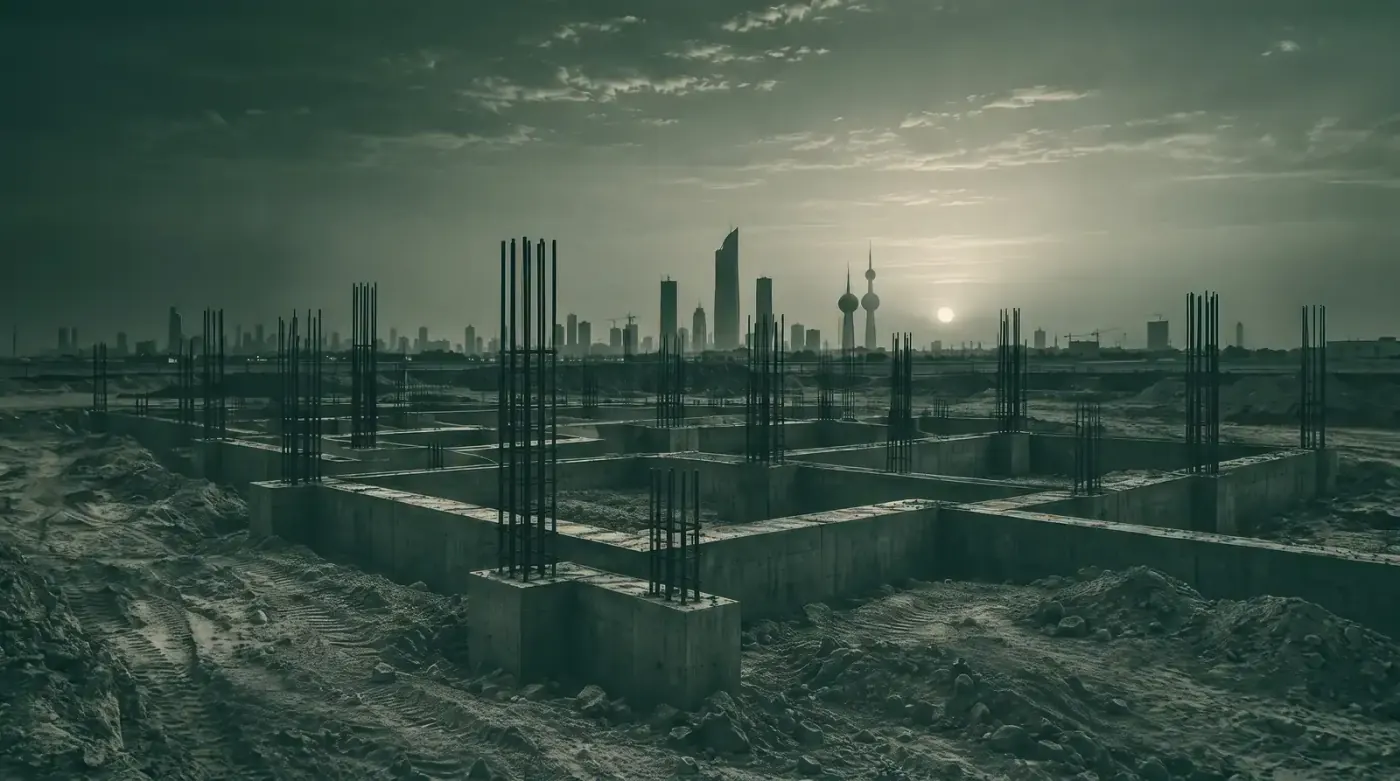
Pipes laid in a rushFirst-fix plumbing by the builder
Laid as part of the build, before the walls close.
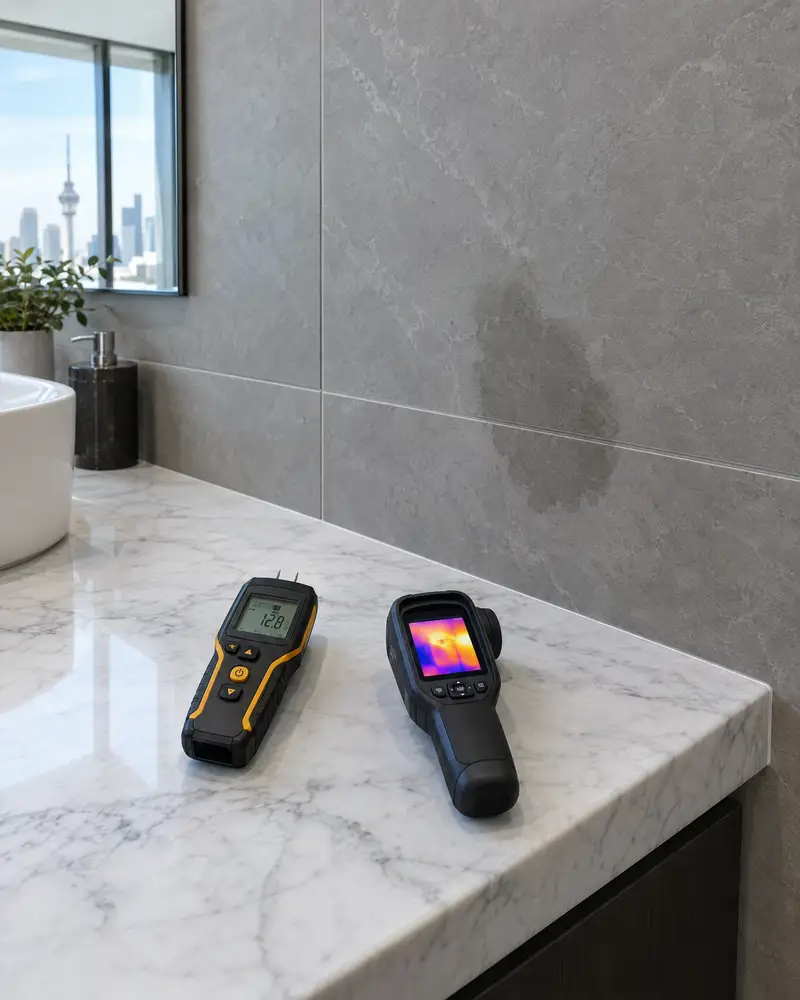
Leaks you cannot seeWater leak detection
We find the source first.
Nobody answers in an emergency24-hour emergency plumber
Plus regular maintenance contracts after handover.
How it works.
Contact us
Call or WhatsApp to describe the site and scope of pipe run needed.
Site survey
Visit to measure routes, confirm pipe material and plan the layout.
Quotation
Detailed quote covering pipe materials, labour and reinstatement works.
Run and test
Pipes run, insulated and pressure-tested before walls are closed.
Close and hand over
Chases closed, surfaces repaired, network handed over ready to use.
What sets the price.
Pipe run pricing turns on several specific factors; the quote is built after assessing the site.
Get a quoteTotal run length
Longer runs mean more pipe, fittings and labour hours on site.
Pipe material chosen
Heat-fused PPR costs more than uPVC but suits hot-supply lines inside walls.
Wall and floor condition
Finished walls require breaking and reinstatement, adding to the overall cost.
Number of outlet points
Each fixture point adds branch pipe, fittings and an isolation valve.
Insulation requirement
Exposed rooftop or external pipes need extra insulation costed separately.
Why one contractor beats four.
Every extra contractor means another schedule and another excuse. With us, one company answers for all of it.
Turnkey
Shell and finishing with one company, from footings to keys.
Pay in instalments
Construction and finishing on instalments. Ask us for the details.
Engineering supervision
Architectural drawings and engineering supervision on site.
After handover
Maintenance contracts and a 24-hour emergency plumber.
A licensed Kuwaiti company for building construction, finishing, renovation and infrastructure works.
What our clients say.
See all reviews on GoogleExcellent
Taha Saad
Google review
Excellent
Ali Nadi
Google review
Water pipe runs in Kuwait. We work across all six governorates of Kuwait: Capital, Hawalli, Farwaniya, Mubarak Al-Kabeer, Ahmadi, Jahra.
Official references: Ministry of Electricity and Water (water and drainage connections)
Questions, answered.
Call nowWhy is PPR preferred over copper or iron in Kuwaiti homes?
Kuwait's mineral-heavy supply deposits scale rapidly inside metal pipes and at threaded joints. PPR has a smooth bore that resists build-up and handles hot water without the expansion stress that damages threaded connections over time.
Can new pipe runs be done without breaking all the floor tiles in a finished house?
For small branch runs it is sometimes possible to route through ceiling voids or surface-mount with a finish trim. For main supply lines inside walls or under floors, some breaking is unavoidable, but accurate route planning keeps the area disturbed to a minimum.
What is the difference in pipe spec between cold and hot water runs?
Hot-supply pipes need a higher temperature rating; a thicker-wall or high-temperature-rated PPR grade is used. Cold-supply pipes have a lower thermal spec but require external insulation when exposed on rooftops to stop the sun from heating the water inside.
When should old galvanised iron pipes be replaced fully rather than repaired in sections?
When rust appears at multiple points or water pressure has dropped noticeably due to internal scale, full replacement is more economical long-term. Partial repair creates weak points at the joint between the old galvanised iron and the new pipe material.
Is pressure testing necessary even for a small pipe run?
Yes. Any run that will be hidden behind a wall or under tiles must be tested before closing. Catching a weak joint before plastering avoids the far greater cost of breaking and reinstating a finished surface later.
Does the service include fitting isolation valves at each fixture point?
Yes, isolation valves are fitted at each outlet point so any single fixture can be shut off without stopping the whole network. This simplifies future maintenance and limits the impact of any localised fault.
Licensed and registered in Kuwait.
Check us before you sign. This is our licence number and what it covers.
Find us on Google Maps