
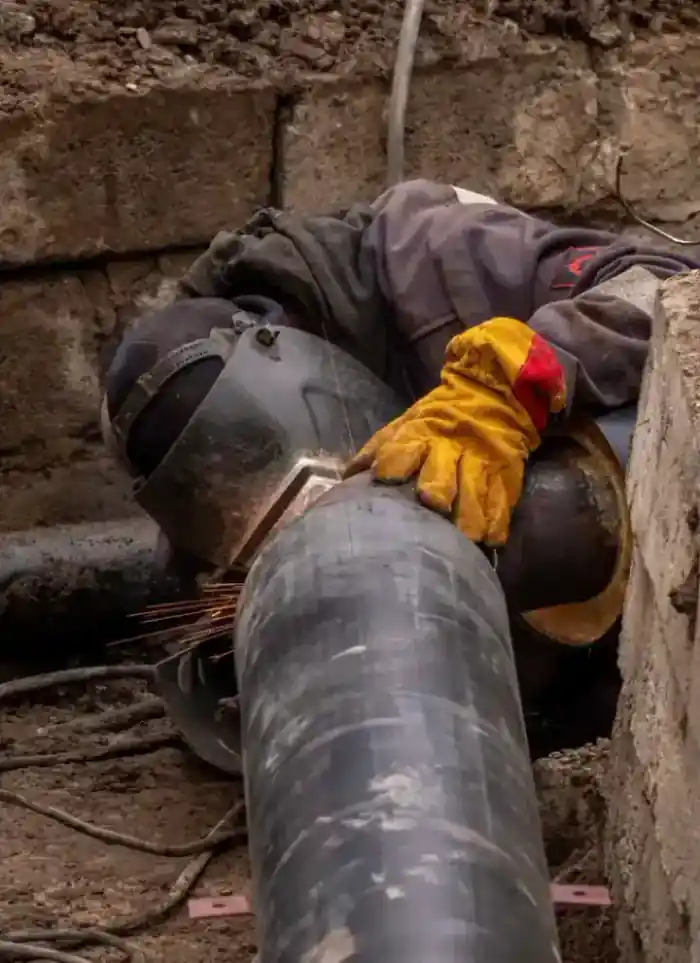
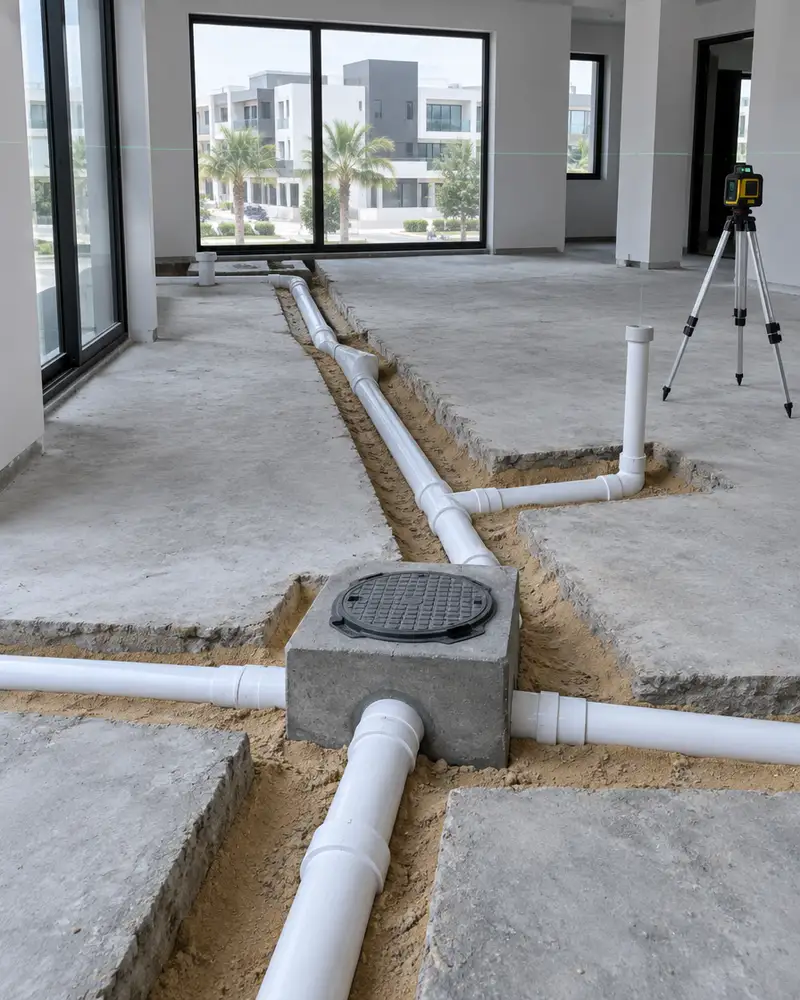
What the installation covers
Network layout, pipe runs, chambers, pressure testing and tie-in to the municipal sewer

Pipe route layout
Routing drain lines from every fixture to achieve continuous fall
Gradient setting
Laser-levelled slope on every run to maintain self-cleansing flow
Inspection chamber build
Chambers with metal covers at every change of direction or junction
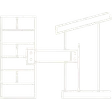
Public sewer tie-in
Connecting the building drain to the municipal manhole without leakage
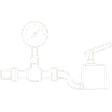
Network pressure test
Water test on completed runs before any backfill to confirm joint integrity
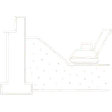
Backfill and reinstatement
Layered compacted backfill and surface reinstatement after successful testing
Signs your building needs a new sewer network
Persistent sewer smell
Sewer odour inside rooms despite clean fixtures points to missing traps or open joints in the buried network
Multiple slow-draining points
Simultaneous slow drainage in bathroom and kitchen indicates a fault in the collector line, not individual fixtures
Cracked or corroded old pipes
Old galvanised iron drain pipes corrode and narrow with scale deposits until flow stops completely
Damp patches on ground floor
Damp spots or lifted tiles near buried drain runs reveal a chronic leak from a broken underground joint
Common mistakes in sewer network installation
Using one pipe diameter throughout
Running a single pipe diameter for both toilet and basin lines causes repeated blockages at collector points
Backfilling before testing
Covering trenches before a water test traps any joint leak underground, making later diagnosis extremely costly
Inconsistent pipe fall
Uneven gradient along a run creates stagnant low spots where grease and fine sand accumulate into permanent blockages
Skipping inspection chambers
Long runs without chambers at bends make future drain clearing almost impossible without excavation
More in sewage contractor.
What goes wrong with most plumbing.
Plumbing problems start hidden and end with breaking tiles. These three cost the most.
 01
01Pipes laid in a rush
Pipework rushed before the walls close stays hidden until it starts to leak.
 02
02Leaks you cannot see
A slow leak behind tiles shows up as damp, stains and a higher water bill.
 03
03Nobody answers in an emergency
A burst pipe at night cannot wait for a contractor who has moved on.
The solution?
Pipework, leak detection and maintenance from one licensed company.
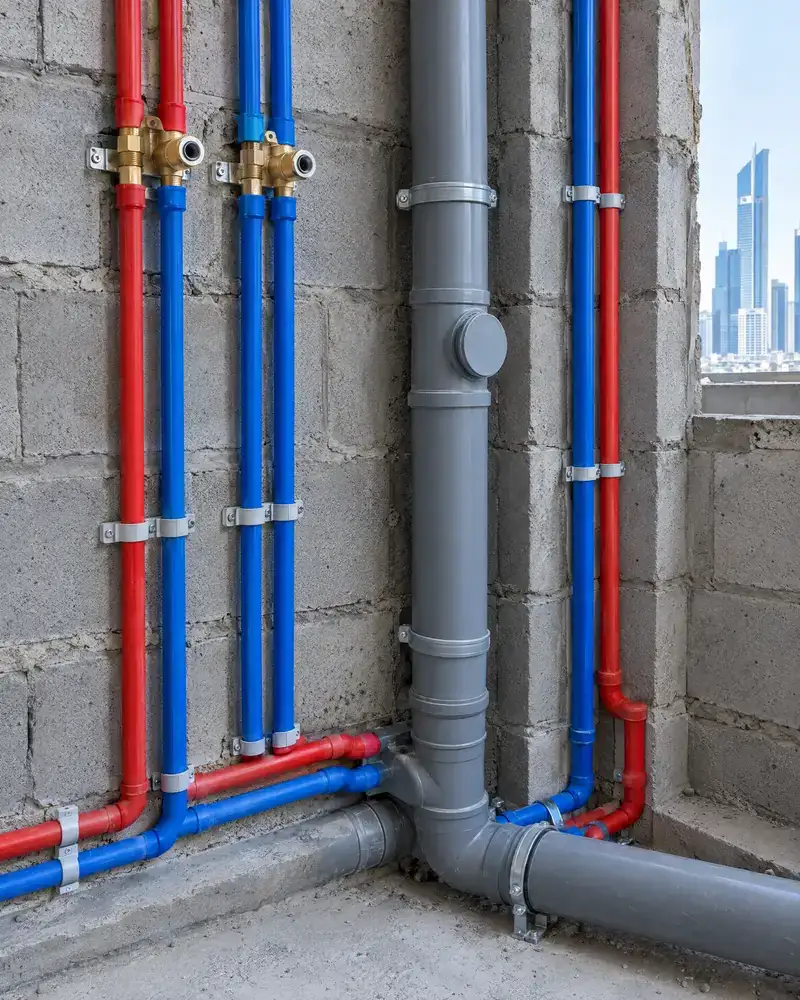
Pipes laid in a rushFirst-fix plumbing by the builder
Laid as part of the build, before the walls close.
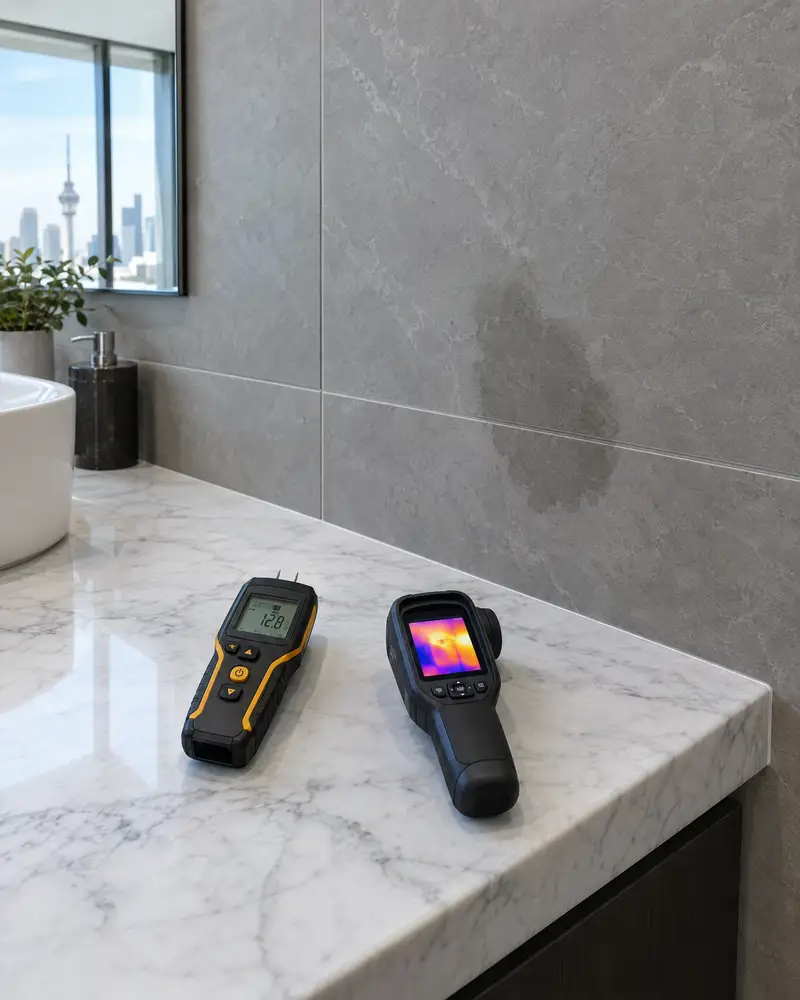
Leaks you cannot seeWater leak detection
We find the source first.
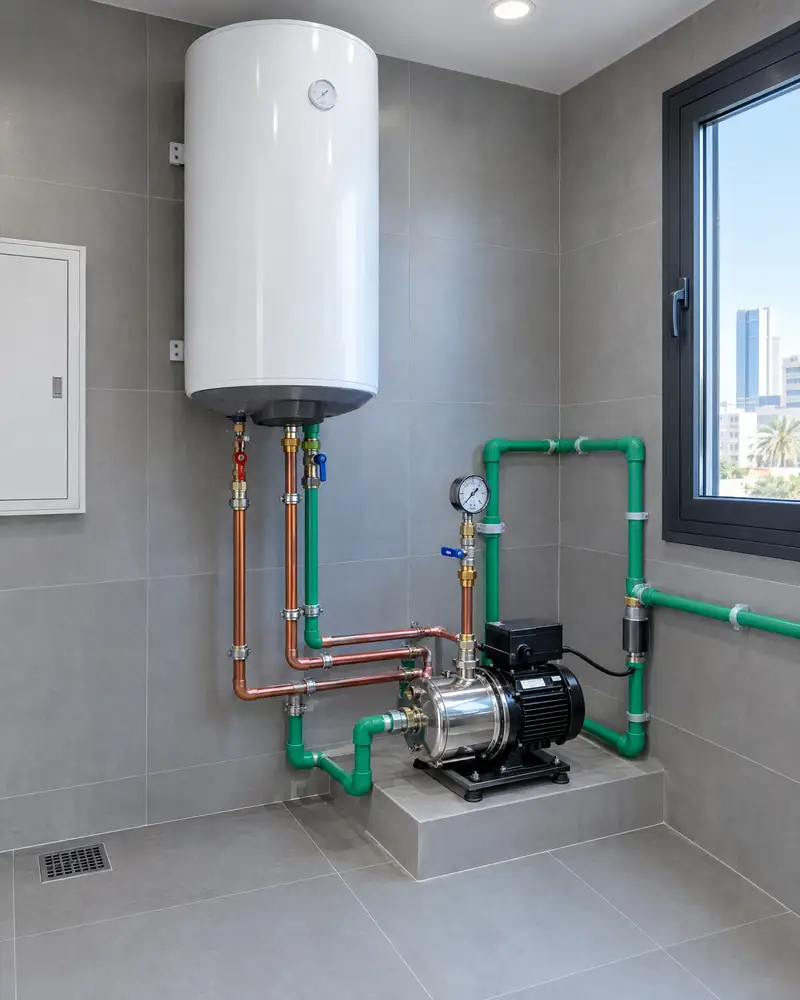
Nobody answers in an emergency24-hour emergency plumber
Plus regular maintenance contracts after handover.
How it works.
First contact
Call or WhatsApp us to describe the building and its current construction stage
Site survey and layout
We visit the site, draw drain routes and mark inspection chamber positions
Excavation and pipe laying
Trenches are opened, pipes laid to laser-checked gradients and chambers built
Testing and tie-in
Network is water-tested before backfill, then connected to the municipal manhole
Backfill and handover
Trenches are compacted in layers and the network handed over with an as-built drawing
What sets the price.
No fixed rate applies; the quote depends on several factors that vary with each building and site
Get a quoteTotal pipe run length
Combined metres of horizontal and vertical drain lines is the primary cost driver
Excavation depth and ground type
Deep trenches in rocky or filled ground raise excavation and shoring costs significantly
Number of inspection chambers
Each chamber requires excavation, blockwork, a metal cover and a concrete base
Current build stage
Installing in an existing building requires tile demolition and reinstatement unlike an open construction site
Distance to municipal manhole
Greater distance between the building and the public manhole increases external pipe and trench length
Why one contractor beats four.
Every extra contractor means another schedule and another excuse. With us, one company answers for all of it.
Turnkey
Shell and finishing with one company, from footings to keys.
Pay in instalments
Construction and finishing on instalments. Ask us for the details.
Engineering supervision
Architectural drawings and engineering supervision on site.
After handover
Maintenance contracts and a 24-hour emergency plumber.
A licensed Kuwaiti company for building construction, finishing, renovation and infrastructure works.
What our clients say.
See all reviews on GoogleExcellent
Taha Saad
Google review
Excellent
Ali Nadi
Google review
Sewer network installation in Kuwait. We work across all six governorates of Kuwait: Capital, Hawalli, Farwaniya, Mubarak Al-Kabeer, Ahmadi, Jahra.
Official references: Ministry of Electricity and Water (water and drainage connections)
Questions, answered.
Call nowCan a sewer network be installed after the building is fully finished?
Yes, but horizontal collector lines require breaking sections of finished floors, then reinstating them after testing. The cost is noticeably higher than installing during the construction phase when trenches are open.
What is the correct slope for a drain pipe?
The right gradient varies with pipe diameter. Smaller pipes need a steeper fall to carry solids. Excessive slope is also a problem: the liquid outruns the solids and leaves them behind to build up.
Why does sewer odour appear inside rooms after the public connection is made?
The most common cause is a missing or dried-out water trap on an infrequently used floor drain, opening a direct path for network gas. Fitting or refilling traps solves the problem in most cases.
Does a toilet drain pipe need a different diameter than a basin or floor drain?
Yes. Toilet lines require a significantly larger diameter to carry solid waste without blocking. Basins and floor drains work on smaller sizes. Mixing sizes without a correct reducer causes repeated blockages at the junction.
Does the service include testing the network before backfill?
Yes, a water test before any backfill is a standard part of the work. It reveals loose joints or cracked fittings while they are still accessible, preventing them from becoming a costly buried problem later.
Licensed and registered in Kuwait.
Check us before you sign. This is our licence number and what it covers.
Find us on Google Maps